26/11 anniversary: Pakistani 'Major-General Sahab' still unnamed
Synopsis
Of 32 Pakistani suspects named in the 26/11 case, only one remains faceless: “Major-General Sahab”, the officer Kasab said supervised LeT training and praised his marksmanship. Eighteen years on, Accused No. 20 has no name, no photograph and no confirmed biography. Analysts suspect he belonged to the ISI's Directorate S.
Key Takeaways
The 26/11 Mumbai attacks of November 2008 killed 166 people and injured more than 300 .
The Mumbai Police chargesheet lists “Accused No.
20: Major General Sahab, name unknown” .
He is the only one of 32 Pakistani suspects who has not been identified.
Ajmal Kasab said the officer visited LeT camps near Muzaffarabad and was warmly greeted by Hafiz Saeed and Zaki-ur-Rehman Lakhvi .
David Headley named officers including Major General Muhammad Khalid Rao , but did not reveal Major-General Sahab's identity.
Analysts suspect a link to the ISI's Directorate S .
Islamabad has refused to cooperate with Indian courts.
Eighteen years after the 26/11 Mumbai terror attacks, the identity of a Pakistani military officer known to the attackers only as “Major-General Sahab” remains one of the case's biggest unanswered questions. Arrested gunman Ajmal Kasab and reconnaissance operative David Headley both described links between the attack and Pakistani military figures. Despite years of investigation, court hearings and confessions, investigators have never conclusively identified this officer.
The Mumbai Police chargesheet lists him as “Accused No. 20: Major General Sahab, name unknown”. He is the only one of the 32 Pakistani suspects linked to the case whose identity has not been established.
The Attack That Shook Mumbai
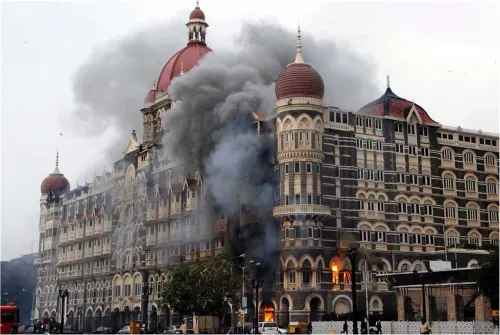
In November 2008, 10 Lashkar-e-Taiba (LeT) gunmen carried out coordinated assaults across several locations in Mumbai. The targets included the Taj Mahal Palace Hotel, the Oberoi-Trident, Chhatrapati Shivaji Terminus and Nariman House.
The attackers fired indiscriminately, threw grenades and targeted civilians. The attacks left 166 people dead and more than 300 injured. The siege ended after security forces killed nine of the gunmen and captured Kasab alive.
What Kasab Told Investigators
Kasab later gave investigators detailed accounts of the training that came before the attack. He reportedly spoke of a senior Pakistani officer whom both recruits and trainers called simply “Major-General Sahab”.
According to his statements:
- The officer regularly visited LeT training camps near Muzaffarabad in Pakistan-occupied Kashmir.
- Both terror leaders and military trainers treated him with unusual deference.
- LeT chief Hafiz Saeed and operational commander Zaki-ur-Rehman Lakhvi greeted him warmly.
- He personally supervised parts of the training.
During one firing exercise, the officer reportedly inspected the trainees' targets and praised Kasab's shooting. He is also said to have returned to assess the group's readiness and motivation before they set out across the Arabian Sea towards the Indian coastline.
No photograph, sketch or confirmed biographical detail of him is publicly known.
Headley's Disclosures and the ISI Link
Headley is a Pakistani-American operative who had earlier scouted possible targets in Mumbai. In his statements to Indian investigators, he described extensive links between LeT, Pakistan's Inter-Services Intelligence (ISI) and serving military officers.
He named several officials as figures connected to the attack:
- Major General Muhammad Khalid Rao
- Colonel Sadatullah
- Major Iqbal
- Lieutenant Colonel Hamza
However, Headley did not definitively reveal who “Major-General Sahab” was.
Investigators and analysts suspected the officer may have been part of the ISI's covert operations wing, often called “Directorate S”. This unit has frequently been linked to managing proxy militant groups and secret operations abroad. Because Directorate S has often been headed by officers of Major General rank, analysts saw this as a possible clue to the officer's role.
Names Floated, Nothing Proven
Later reports mentioned two former Pakistani officers who held senior intelligence posts in the years before the attacks: Major General Asif Akhtar and Lieutenant General Nadeem Taj. However, no public evidence has conclusively linked either of them to “Major-General Sahab”.
An Unfinished Pursuit of Accountability
Kasab was tried and executed in India. Many of those who allegedly planned, backed or supervised the operation from Pakistan, however, remain beyond the reach of Indian courts, with Islamabad refusing to cooperate.
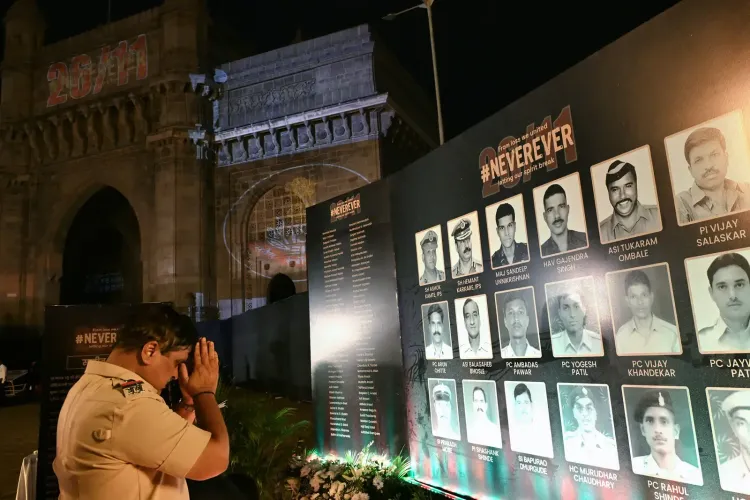
As India marks another anniversary of the attacks, the faceless “Accused No. 20” remains a symbol of justice still pending.
Point of View
A detailed chargesheet and a named list of ISI-linked officers, yet Islamabad's non-cooperation has made all of it legally unenforceable. Accused No. 20 is not just a cold-case mystery; he shows that India's 26/11 accountability campaign has reached its diplomatic limit. Unless Pakistan's military establishment is pressed through sustained global pressure rather than anniversary rhetoric, the man who reportedly blessed the mission will likely never face trial.
NationPress
26 Nov 2026
Frequently Asked Questions
Who is “Major-General Sahab” in the 26/11 case?
He is an unidentified Pakistani military officer whom Ajmal Kasab said visited LeT training camps and supervised preparations for the 26/11 attacks. The Mumbai Police chargesheet lists him as Accused No. 20, name unknown.
Why has Major-General Sahab never been identified?
There is no publicly known photograph, sketch or confirmed biographical detail of him, and even David Headley's disclosures did not reveal his name. Pakistan has also refused to cooperate with Indian investigations.
Is Major-General Sahab linked to the ISI?
Investigators and analysts suspected he may have been part of the ISI's covert wing, Directorate S, which has often been headed by Major General-rank officers. This has never been conclusively proven.
Which Pakistani officers did David Headley name?
Headley named Major General Muhammad Khalid Rao, Colonel Sadatullah, Major Iqbal and Lieutenant Colonel Hamza as figures connected to the attack. None of them was confirmed to be Major-General Sahab.
How many people died in the 26/11 Mumbai attacks?
The November 2008 attacks killed 166 people and injured more than 300. Ten LeT gunmen struck sites including the Taj Mahal Palace Hotel, Oberoi-Trident, CST and Nariman House.