26/11 legacy: India trades dossiers for PRAHAAR doctrine
Synopsis
India once answered terror with dossiers that Pakistan ignored. Since 26/11, which killed 166 in a nearly 60-hour siege, the response has hardened through surgical strikes, Balakot and Operation Sindoor into the intelligence-led PRAHAAR doctrine. Officials warn the threat is not over, with radicalisation and disinformation emerging as new fronts.
Key Takeaways
The Mumbai 26/11 attacks by ten Lashkar-e-Taiba terrorists killed 166 people in a siege lasting nearly 60 hours .
Officials cite intelligence gaps, poorly equipped police and a delayed NSG deployment as key failures.
The counterterrorism strategy evolved over ten years into the intelligence-led PRAHAAR doctrine , according to an Intelligence Bureau official.
India's responses escalated from the 2016 surgical strike to the Balakot air strike and Operation Sindoor after the 2025 Pahalgam attack .
Officials warn Pakistan is trying to rebuild terror networks amid rising radicalisation and disinformation.
In the years since the Mumbai 26/11 attacks, India's counterterrorism approach has reportedly moved from handing evidence dossiers to Pakistan towards a proactive, intelligence-led strategy built around direct action against terror networks. Officials say this shift culminated in the PRAHAAR doctrine, a framework for both preventing and responding to terror attacks. The nearly 60-hour siege of Mumbai by ten Lashkar-e-Taiba terrorists left 166 people dead and exposed deep gaps in India's security apparatus.
Failures Exposed During the Siege
According to an official, the attacks revealed several flaws: a complete lack of intelligence, poorly equipped personnel of the Mumbai Police, weak coordination on the ground, and a delayed deployment of the National Security Guard (NSG) from Delhi to Mumbai.
The intelligence misses were significant. The landing of the ten terrorists in Mumbai went largely undetected. The reconnaissance carried out by David Headley, who travelled in and out of India from the United States, remained unknown until American agencies alerted Indian security agencies well after the attacks had ended.
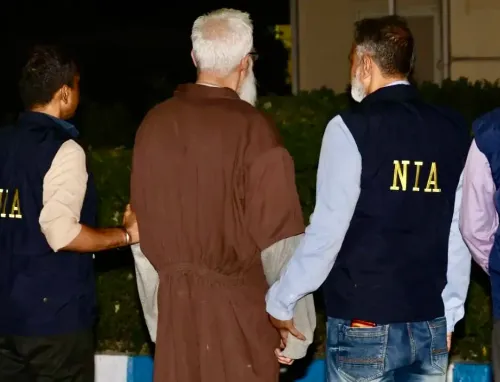
Investigators captured one terrorist, Ajmal Kasab, alive. Without his interrogation, establishing the attack's link to Pakistan would have been very difficult. Despite Kasab's confession, Pakistan denied any connection and reportedly erased all traces of his home and family in Faridkot, a village in the Kara district of Punjab province.
Many critics argue that India's response at the time was weak and that Pakistan should have faced harsher consequences for harbouring the Lashkar.
From Dossiers to the PRAHAAR Doctrine
After Prime Minister Narendra Modi took office in May 2014, he vowed to fight terror, which officials say led to the evolution of a kinetic, more muscular counterterrorism strategy. Fixing intelligence gaps became a priority, with agencies becoming more proactive and coordinating closely with local police and intelligence units.
An Intelligence Bureau official said the strategy evolved over a period of ten years, eventually leading to the unveiling of the PRAHAAR doctrine. The framework addresses prevention and response through real-time intelligence sharing rather than reactive measures.
Officials say the strategy has moved beyond dossiers. Several were shared with Pakistan after 26/11, but they are described as gathering dust as Islamabad remained in denial. The emphasis shifted to striking terror networks and destroying their infrastructure.
Surgical Strikes, Balakot and Operation Sindoor
Notably, the first decisive action came after the 2016 Uri attack, when the Indian Army carried out a surgical strike destroying multiple launchpads and camps in Pakistan-occupied Kashmir (PoK), the main staging ground for the Lashkar, Jaish-e-Mohammad and Hizbul Mujahideen.
That did not stop the Pulwama attack, in which 40 soldiers were killed by a Jaish suicide bomber. The Indian Air Force responded with the Balakot air strike, destroying a major Jaish facility.
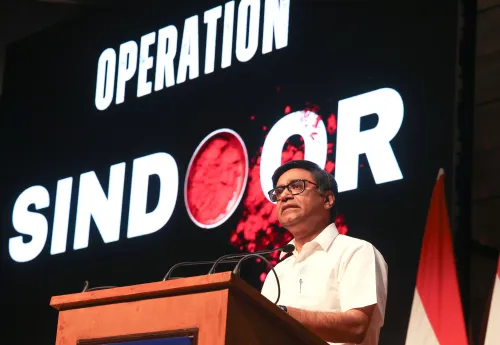
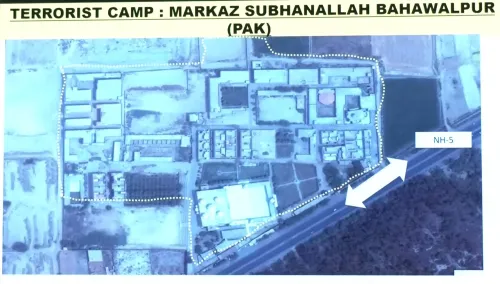
The 2025 Pahalgam attack, in which tourists were reportedly identified by religion before being shot at point-blank range, triggered Operation Sindoor. Indian forces struck terror camps in PoK and deep inside Pakistan, signalling that acts of terror would be treated as acts of war.
Shifting Threat Landscape
After 26/11, India saw a wave of blasts by the Indian Mujahideen. Once the outfit was dismantled, terror activity shifted largely to Jammu and Kashmir. Officials credit coordinated operations for gains there and against the Naxalite (Maoist) movement, which they describe as wiped out. They also link the abrogation of Article 370 and the decline of separatism to development and job creation in the region.
However, officials caution that the threat has not been eliminated. Pakistan reportedly continues to back terrorists and seeks to rebuild networks, while radicalisation drives, disinformation campaigns and honey-trapping incidents pose fresh challenges.
As one official put it, the fight will go on, and the doctrine must keep adapting to threats from Pakistan and other state and non-state actors.
Point of View
Pulwama and Pahalgam happened after the surgical strikes, which suggests punitive action has not, on its own, ended Pakistan-backed terror. PRAHAAR's credibility will depend less on cross-border strikes and more on whether its intelligence-led prevention can stop the next Headley-style reconnaissance before it happens. Officials' sweeping claims of total victory over Naxalism and separatism also deserve independent scrutiny, not easy acceptance.
NationPress
26 Nov 2026
Frequently Asked Questions
How many people were killed in the Mumbai 26/11 attacks?
166 people were killed in the 26/11 attacks, carried out by ten Lashkar-e-Taiba terrorists. The siege of Mumbai lasted nearly 60 hours across multiple locations.
What is the PRAHAAR doctrine?
PRAHAAR is India's counterterrorism framework for preventing and responding to terror attacks through an intelligence-led, proactive approach. According to an Intelligence Bureau official, it emerged from a strategy that evolved over ten years after 26/11.
What intelligence failures did 26/11 expose?
The landing of the ten terrorists in Mumbai and David Headley's prior reconnaissance both went undetected. Indian agencies learned of Headley's role only after US agencies tipped them off, well after the attacks had ended.
How has India's response to terror attacks changed since 26/11?
India has moved from sharing dossiers with Pakistan to direct military action. This includes the 2016 surgical strike after Uri, the Balakot air strike after Pulwama, and Operation Sindoor after the 2025 Pahalgam attack.
Is the terror threat to India over?
No. Officials say the threat has not been eliminated, as Pakistan continues to back terrorists and is trying to rebuild networks. Radicalisation, disinformation campaigns and honey-trapping are also emerging challenges.