Lashkar-e-Taiba battered 18 years after Mumbai 26/11
Synopsis
Eighteen years after 26/11 killed 166 in Mumbai, Lashkar-e-Taiba is a shadow of 2008: Muridke's Markaz-e-Taiba razed in Operation Sindoor, Valley recruitment virtually gone, and attacks cut to one-to-four-person hits via proxies. Officials say it is still rebuilding inland.
Key Takeaways
November 26, 2026 marks 18 years since the Mumbai 26/11 attacks, in which ten terrorists killed 166 people.
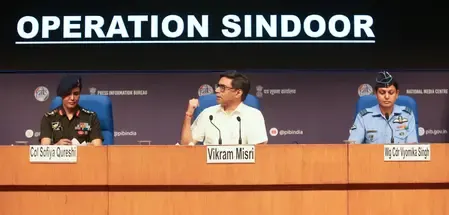
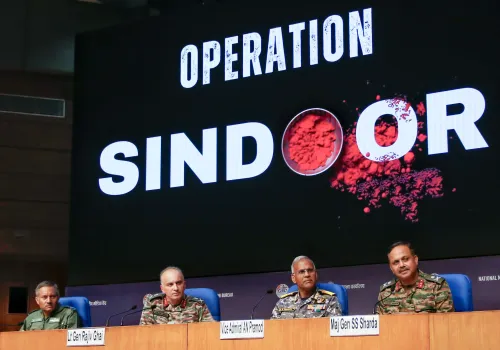
Operation Sindoor razed the Markaz-e-Taiba complex in Muridke , which housed cadres, arms depots and recruitment pads.
The group now uses proxies such as The Resistance Front and limits itself to attacks by one to four operatives.
The Home Ministry has indicated local Lashkar-e-Taiba recruitment in the Kashmir Valley has been virtually eliminated.
Hafiz Saeed remains in prison on terror-financing charges after Operation Sindoor and Operation Cellar , but Indian agencies say he is protected and lives comfortably.
India's post-Pahalgam doctrine treats an act of terror as an act of war, a stance not in force during 26/11.
Lashkar-e-Taiba remains battered 18 years after the Mumbai 26/11 attacks, with officials saying the outfit has been forced to decentralise, lean on proxies and abandon the kind of multi-target urban siege it mounted in 2008. November 26, 2026 marks the anniversary of the assault in which ten terrorists laid siege to Mumbai, India's commercial capital, killing 166 people in one of the most horrific attacks the country has witnessed.
At its peak, officials said, the Lashkar-e-Taiba had become one of the most dangerous outfits in the world, with massive infrastructure, a free flow of funds and leaders who moved in the open without fear. They describe it as the ISI's most trusted proxy, which received the support of the Pakistani establishment, as a result of which the attack was carried out on such a massive scale. Compared with 2008, they said, it is a completely changed organisation.
How the outfit was weakened
Pressure from India, the international community and, more importantly, the Financial Action Task Force (FATF) gradually weakened the group, an official said. Operation Sindoor was, however, the biggest blow, and even now the outfit is not able to operate on the scale it did in 2008.
After the Mumbai 26/11 attack, investigations were conducted and dossiers were provided to Pakistan. Islamabad remained in denial mode, and not much changed for the Lashkar-e-Taiba at the time. This is the pattern that allowed the group's infrastructure to persist for years after the siege, officials said.
Operation Sindoor and the Muridke complex
At the time of 26/11, the Lashkar-e-Taiba operated freely out of centralised complexes such as the Markaz-e-Taiba in Muridke. That complex, which housed trained cadres, arms depots and recruitment pads, was completely razed to rubble during Operation Sindoor, carried out to avenge the Pahalgam attacks, which officials also attribute to the Lashkar-e-Taiba.
Currently there is no one centralised complex from which the outfit operates. It has shifted its bases and moved deeper inland to avoid another hit by the Indian armed forces, an official said. Notably, this comes amid a broader shift from visibility to survival after repeated Indian action.
Proxies, smaller attacks and Kashmir recruitment
An Intelligence Bureau official said another big shift is in the manner of operations. The group has limited itself to smaller attacks relying on one to four players at a time. It has also created proxies such as The Resistance Front to avoid detection and to ensure the trail does not reach up to it.
Post the abrogation of Article 370, there was a massive crackdown on several terror groups, including the Lashkar-e-Taiba. That forced it to create proxies so that Indian agencies would be confused and find it hard to follow a trail to the leadership in Pakistan, the official said. International institutions such as the FATF were also pressuring the outfit on terror funding, which was another reason the proxies were set up.
The biggest attack the Lashkar-e-Taiba was able to carry out in this later phase was in Pahalgam, in which innocent tourists were killed. It was its proxy, The Resistance Front, that claimed responsibility, not the Lashkar-e-Taiba itself. At the time of 26/11 and the years that followed, the group had several cheerleaders in India and an active network of foreign and local terrorists supported by overground workers. The Home Ministry has indicated that local Lashkar-e-Taiba recruitment in the Kashmir Valley has been virtually eliminated. Dependence is now entirely on infiltrations, and those are not taking place as they once did.
Leadership, doctrine and the rebuild
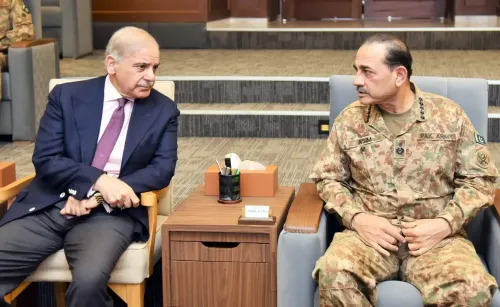
In 2008, top leaders Hafiz Saeed and Zaki-ur-Rehman Lakhvi operated openly and held massive rallies during which they would direct attacks on India. Post Operation Sindoor and follow-up actions such as Operation Cellar, Pakistani authorities have kept Saeed imprisoned on charges of terror financing. Although he remains in prison, Indian agencies say Saeed continues to remain protected and leads a comfortable lifestyle.
A big hit has been to operations and capabilities. The outfit used to be capable of holding a city hostage for days. During the Mumbai attacks, ten fidayeens hit multiple targets simultaneously and killed 166 people. Today it operates on a smaller scale and does not attempt large-scale urban attacks.
Counterterrorism experts say there is no doubt the Lashkar-e-Taiba has fallen very badly in the last couple of years. It would take a very long time before it could return to its 2008 days, and if such sustained action continues by India, that too is unlikely. Intelligence inputs relating to the group suggest the entire focus is on rebuilding. It may not be able to execute an attack on the scale of Mumbai 26/11 immediately, but it would strive to be in that place soon.
India's doctrine today states that an act of terror would not be considered merely a cross-border attack, but an act of war. This doctrine, which was not in force during Mumbai 26/11 and was adopted after the Pahalgam attack, has made a material difference in the campaign against terror, and the Lashkar-e-Taiba has been one of the hardest hit, an official said. Whether the group stays degraded will turn on whether that pressure is sustained as it tries to rebuild inland.
Point of View
And Lashkar-e-Taiba used that gap to keep Muridke running in the open. Saeed's comfortable prison and the inland rebuild are the tell: Pakistan has changed the packaging, not the file. Proxies such as The Resistance Front show the threat has been redesigned to survive FATF and Indian strikes — which is why sustained pressure, not a victory lap, is the only policy that holds.
NationPress
25 Nov 2026
Frequently Asked Questions
What has changed for Lashkar-e-Taiba since the Mumbai 26/11 attacks?
Officials say Lashkar-e-Taiba is a completely changed outfit compared with 2008, with no centralised complex, smaller one-to-four-person attacks, and heavy use of proxies. Pressure from India, the FATF and Operation Sindoor has left it unable to operate at the scale of Mumbai 26/11.
What was the impact of Operation Sindoor on Lashkar-e-Taiba?
Operation Sindoor was the biggest blow to the group, razing the Markaz-e-Taiba complex in Muridke that housed trained cadres, arms depots and recruitment pads. Officials say the outfit has since moved bases deeper inland and still cannot operate on its 2008 scale.
Why did Lashkar-e-Taiba set up proxies such as The Resistance Front?
Officials say proxies were created after the Article 370 crackdown and FATF pressure on terror funding, to confuse Indian agencies and keep the trail from reaching the leadership in Pakistan. The Resistance Front, not Lashkar-e-Taiba, claimed responsibility for the Pahalgam attack.
What is the status of Hafiz Saeed after Operation Sindoor?
Hafiz Saeed remains in prison in Pakistan on terror-financing charges after Operation Sindoor and Operation Cellar. Indian agencies say he continues to remain protected and leads a comfortable lifestyle.
Can Lashkar-e-Taiba still carry out an attack like Mumbai 26/11?
Officials and counterterrorism experts say it cannot execute an attack on the scale of Mumbai 26/11 immediately and would take a very long time to return to 2008 capabilities. Intelligence inputs suggest the group's focus is on rebuilding, and it would strive to regain that capacity.