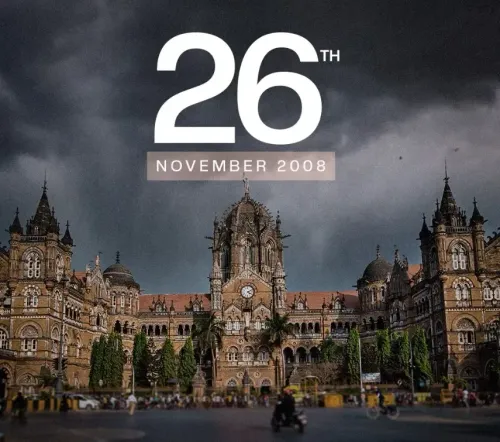
26/11 at 18: Mumbai attack planners shielded in Pakistan

Synopsis
All ten 26/11 gunmen are dead or executed, but the men who allegedly planned the Mumbai attacks are not. Indian officials say ISI officers, ex-Army majors and Lashkar commanders live protected in Pakistan — some officially 'nonexistent', others jailed only under FATF pressure, and at least one reportedly serving a sentence from a guarded house.
Key Takeaways
Indian intelligence officials say at least 15 planners of the 26/11 attacks remain in Pakistan , many reportedly under state protection.
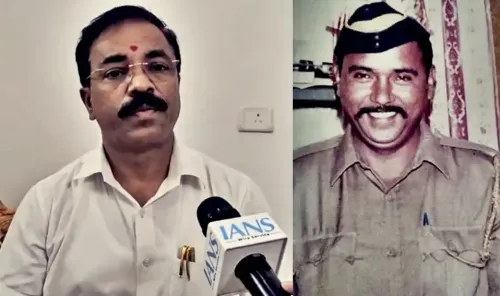
ASI Tukaram Gopal Omble captured Ajmal Kasab at the cost of his life; Kasab was hanged at Yerwada jail , Pune.
Pakistan denies the existence of alleged ISI handlers Major Iqbal , Major Sameer Ali and Colonel Hamza .
Sajid Mir was convicted on terror financing charges, which an official dismissed as a response to FATF pressure.
Hafiz Saeed , arrested in 2019 , is reportedly held in a guarded Lahore house rather than jail.
Abdul Rahman Makki died of a heart attack in Lahore in 2024 .
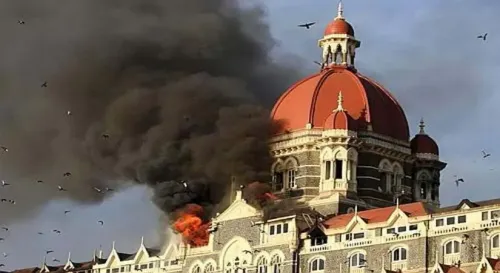
Eighteen years after the 26/11 Mumbai attacks, Indian intelligence officials say at least 15 people who planned and coordinated the assault from Pakistan remain beyond the reach of justice. According to these officials, the group includes serving and retired officers of the Inter-Services Intelligence (ISI) and the Pakistan Army, along with senior Lashkar-e-Taiba operatives. Most are reportedly living under state protection, while Islamabad continues to deny that several of them exist.
The assessment, shared on the anniversary on 26 November, contrasts India's post-attack shift towards a firmer national security doctrine with what officials describe as Pakistan's continued denial.
All 10 Attackers Accounted For
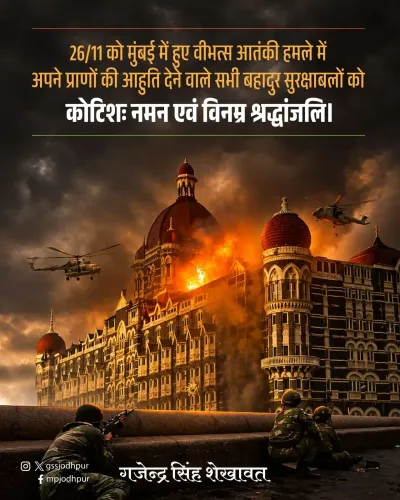
Of the ten terrorists who struck Mumbai, nine were killed during the attack. The tenth, Ajmal Kasab, was captured by an unarmed Assistant Sub-Inspector Tukaram Gopal Omble, who lost his life in the process.
Omble's sacrifice gave Indian investigators a living suspect and a direct Pakistan link from the very start of the probe. Kasab was later hanged at Yerwada jail in Pune, meaning all ten gunmen who attacked the city that night were brought to justice.
ISI Handlers Behind the Reconnaissance
The planners are a different story. Major Iqbal and Major Sameer Ali, identified as the ISI handlers of David Headley — the man who scouted the targets — are said to be living normal lives in Pakistan. Officials say they handled Headley and also oversaw training and logistics in the run-up to the attack.
An Intelligence Bureau official said Major Iqbal continued to serve in the ISI after the attacks, moving between regions on various intelligence assignments. Major Ali reportedly lives in Karachi. Pakistan, officials note, maintains that neither man exists.
Colonel Hamza, who allegedly coordinated logistics, recruitment and funding, is believed to be in Pakistan-occupied Kashmir (PoK), keeping a low profile; Pakistan denies his existence too. Major Abdur Rehman Hashim Syed, said to be the intermediary between Headley and the Lashkar, was briefly arrested in Pakistan and released without trial. Intelligence inputs indicate he lives in Lahore and was brought into the plot a year after retiring in 2007.
Sajid Mir and the Lashkar Leadership
Sajid Mir, described by officials as possibly the most important figure in the plot, had reportedly visited India as a cricket fan before Headley's reconnaissance, laying the groundwork for surveying the targets. Pakistan first portrayed him as a Maulana in Karachi, then denied he existed, later called him untraceable and even claimed he had died — before he was abruptly arrested and convicted on terror financing charges.
An official dismissed that conviction as “a mere hogwash”, attributing it to pressure from the Financial Action Task Force (FATF). Mir is currently in custody in Lahore.
Lashkar founder Hafiz Saeed, described as the ideological mentor of the ten attackers, was arrested in 2019, also amid FATF pressure. While he is officially said to be in prison, intelligence assessments suggest he is kept in a heavily guarded house in Lahore rather than a jail.
The outfit's second-in-command, Zaki-ur-Rehman, was arrested after the attacks but granted bail. He was re-arrested in 2021 and sentenced to 15 years, and is reportedly living comfortably inside Adiala jail in Rawalpindi. Abdul Rahman Makki, who served a brief jail term in 2020 in a terror-financing case, died of a heart attack in Lahore in 2024.
Maritime and Logistics Network Still Active
Zarrar Shah, Abul-al-Qama and Yusuf Muzammil allegedly played major roles in logistics and maritime operations. Shah, briefly arrested, now reportedly lives in Rawalpindi and shuttles to Muridke. Qama has been arrested, while Muzammil is said to move freely and oversee Lashkar operations from Muridke.
Amjad Khan, Shahid Jamal Riaz, Zafar Iqbal, Iftikhar Ali and Shahid Ghafoor were placed on the Most Wanted List by Pakistan's Federal Investigation Agency (FIA) in 2020. Pakistan says they are absconding; Indian agencies maintain they continue to work closely with the Lashkar.
What Officials Expect Next
Another official said the status of these individuals is unlikely to change, as they are too valuable to the Pakistani establishment. Officials argue that the depth of state involvement in planning, funding and logistics marks 26/11 as a state-sponsored attack, one they say the Lashkar could not have launched without full backing. As India marks another anniversary, the question of accountability for the attack's architects remains firmly unresolved.
Point of View
Mir and Zaki-ur-Rehman tracked FATF deadlines, not evidence India supplied years earlier, which suggests compliance theatre rather than justice. Yet New Delhi's own leverage has limits: dossiers and anniversaries have not produced extraditions in 18 years. Unless international financial and diplomatic pressure is sustained beyond grey-list cycles, the planners' protected status will likely outlast another decade of commemorations.
NationPress
26 Nov 2026
Frequently Asked Questions
Who planned the 26/11 Mumbai attacks?
According to Indian intelligence officials, the attacks were planned by ISI officers, serving and retired Pakistan Army personnel and Lashkar-e-Taiba leaders, including Sajid Mir, Hafiz Saeed and Zaki-ur-Rehman. Officials say at least 15 such planners remain in Pakistan.
What happened to the 10 terrorists who attacked Mumbai?
Nine were killed during the attack, and the tenth, Ajmal Kasab, was captured alive by ASI Tukaram Gopal Omble, who died in the effort. Kasab was later hanged at Yerwada jail in Pune.
Where is Hafiz Saeed now?
Hafiz Saeed was arrested in 2019 amid FATF pressure and is officially said to be in prison. Indian intelligence assessments, however, suggest he is held in a heavily guarded house in Lahore rather than a jail.
Is Sajid Mir in custody?
Yes, Sajid Mir is currently in custody in Lahore after being convicted on terror financing charges. Pakistan had earlier denied his existence and claimed he had died, and an Indian official called his conviction a response to FATF pressure.
Why does India call 26/11 a state-sponsored attack?
Indian officials say the involvement of ISI and Pakistan Army personnel in planning, funding and logistics shows the attack had full state backing. They argue the Lashkar could not have launched an operation of that scale on its own.