26/11 Kasab capture: Retired cop recalls Girgaum Chowpatty night
Synopsis
Police armed only with batons and sticks overpowered an AK-47-wielding Ajmal Kasab on 26/11. Retired Inspector Sanjay Govilkar, shot that night, says taking him alive is what finally let India prove Pakistan's role. He calls Kasab the world's first fidayeen attacker to be caught alive.
Key Takeaways
Retired Inspector Sanjay Govilkar recalled Ajmal Kasab's capture on 26 November 2026 , the anniversary of the 2008 Mumbai attacks .
A 14-member police team was posted at Girgaum Chowpatty , where a silver car stopped about 50 feet short of the barricades at around 12:30 am .
Bhaskar Kadam fired the first shot, hitting driver Abu Ismail in the eye.
Tukaram Ombale grabbed Kasab's AK-47 and was hit by a barrage of bullets; Govilkar was also shot.
Govilkar says capturing Kasab alive helped establish Pakistan's link to the attack.
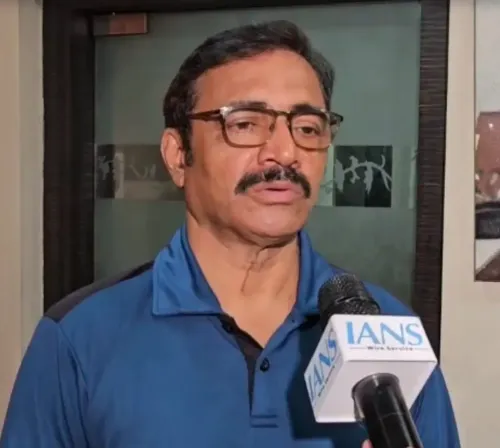
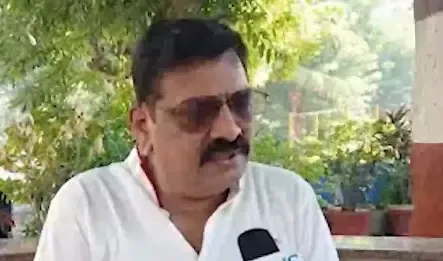
Retired Inspector Sanjay Govilkar, one of the police officers who captured Ajmal Kasab during the 2008 Mumbai terror attack, has described the minutes leading up to the arrest at Girgaum Chowpatty. He called Kasab the “world's first fidayeen attacker to be caught alive.” Govilkar spoke in Mumbai on Thursday, 26 November 2026, as the country marked another anniversary of the 26/11 attacks.
Govilkar, who was himself shot that night, said capturing Kasab alive was the turning point that later allowed investigators to trace the attack back to Pakistan.
From Day Shift to the Frontline
In 2008, Govilkar was an Assistant Police Inspector at DB Marg Police Station. He had already finished his shift and gone home when news of the attacks broke.
“After completing my day shift, I had returned home. I learned about the attacks from the news, following which I immediately rushed to the police station on my motorcycle,” he said.
His Senior Inspector sent him to set up a security checkpoint at Girgaum Chowpatty, where a team of 14 personnel was deployed. Wireless messages from police vehicles reported attacks and blasts at Nariman Point, the Taj Hotel and the Oberoi Hotel. “At that moment, we did not know who was carrying out these attacks,” he said.
Because the beach is usually crowded, the police first cleared the area. They then kept monitoring wireless updates to understand what was unfolding across the city.
The Silver Car at the Barricade
At around 12:15 am, the team was told that a silver car carrying suspicious people was heading towards them. At about 12:30 am, the car stopped roughly 50 feet short of the barricades.
“Normally, vehicles stop at the barricades for inspection, but this car halted far away... Suddenly, the occupants switched on the wipers, windshield washer, and headlights,” Govilkar said. The road was empty at the time. The driver tried to make a U-turn, failed, and the car came to a stop on the divider.
The police split into two groups. One included Bavdhankar, Bhaskar Kadam, Nikam and Kole. The other included Tukaram Ombale, Govilkar, Mangesh Naik, Pawar, Sohni and Sanjay Patil, among others.
How Kasab Was Overpowered
According to Govilkar, the driver, Abu Ismail, opened fire as the police approached. “Bhaskar drew his service weapon and fired the first shot, which struck Abu Ismail in the eye,” he said.
After Ismail was hit, Kasab raised his hands. “We thought he was surrendering... However, he had an AK-47 resting near his legs. He suddenly picked it up. Tukaram Ombale noticed this and grabbed hold of the rifle. A barrage of bullets hit Ombale 'Sahab'. I was also struck by a bullet,” Govilkar said.
He said the team then moved in “with batons and sticks” just as Kasab was about to load a second magazine. Some officers were ready to shoot him until someone shouted ‘Stop’.
The officers tied Kasab's hands with handkerchiefs. He and Abu Ismail were taken to Nair Hospital, where Ismail was reportedly in extremely critical condition. Ombale and Govilkar were taken to Harkisandas Hospital, now known as Reliance Hospital.
Why the Arrest Mattered
Govilkar said that taking Kasab alive ultimately forced Pakistan to acknowledge its connection to the attack. “Capturing him alive allowed investigators to uncover many crucial links,” he said.
“Before this, India had suffered several attacks in which Pakistan's involvement was suspected, directly or indirectly, but proving it was difficult,” he said. He added that capturing “a living terrorist born and trained on Pakistani soil” remains “one of the most significant achievements arising from that tragedy.”
Accounts like Govilkar's keep alive the role of unarmed and lightly armed constabulary officers who held the line on the night of 26/11.
Point of View
And that single decision produced the living evidence that diplomatic dossiers alone had never achieved. It is also a sobering reminder that a checkpoint team armed largely with batons faced an AK-47, which raises lasting questions about how well first responders were equipped. Anniversaries should honour that courage and also check whether the gaps it exposed have truly been closed.
NationPress
26 Nov 2026
Frequently Asked Questions
Who captured Ajmal Kasab during the 26/11 attack?
A team of Mumbai Police officers stationed at Girgaum Chowpatty captured Kasab. The team included Tukaram Ombale, Sanjay Govilkar, Bhaskar Kadam, Mangesh Naik and others. They overpowered him with batons and sticks after Ombale grabbed his AK-47.
Where was Ajmal Kasab caught?
Kasab was caught at a police checkpoint at Girgaum Chowpatty in Mumbai. The car he was travelling in stopped about 50 feet before the barricades at around 12:30 am.
Why does Sanjay Govilkar call Kasab the world's first fidayeen attacker caught alive?
Govilkar says that in this fidayeen attack, an attacker was captured alive for the first time. According to him, this allowed investigators to uncover crucial links and establish Pakistan's role.
What happened to Tukaram Ombale during Kasab's capture?
Ombale grabbed Kasab's AK-47 and was hit by a barrage of bullets, according to Govilkar. He and Govilkar were taken to Harkisandas Hospital, now Reliance Hospital.