CAA grants citizenship to 319 Pakistan refugees in Rajkot, BJP MP Rupala calls it humanitarian law
Synopsis
In one of the larger single-ceremony CAA rollouts, 319 displaced people from Pakistan received Indian citizenship certificates in Rajkot on 15 October, with Gujarat Deputy CM Harsh Sanghavi presiding and BJP MP Parshottam Rupala framing the Act as a humanitarian — not exclusionary — measure. For the recipients, many visibly emotional, it marked the end of years of stateless limbo.
Key Takeaways
319 displaced people from Pakistan received Indian citizenship certificates in Rajkot, Gujarat on 15 October 2026 .
Beneficiaries included 259 from Rajkot district, 53 from Morbi, 6 from Kutch, and 1 from Surendranagar.
BJP MP Parshottam Rupala described the Citizenship Amendment Act (CAA) as a 'humanitarian law' that does not revoke citizenship.
Gujarat Deputy CM Harsh Sanghavi distributed the certificates and called the occasion a 'Diwali-like celebration.' Sanghavi highlighted hardships faced by Hindus in Pakistan's Tharparkar region , noting new citizens can now live under their real identities.
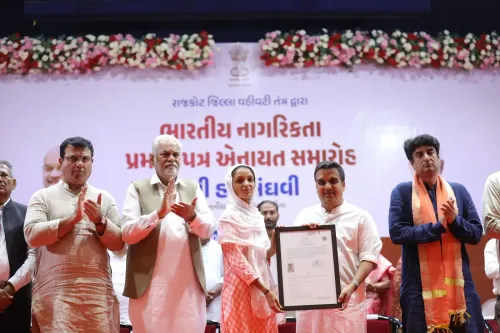
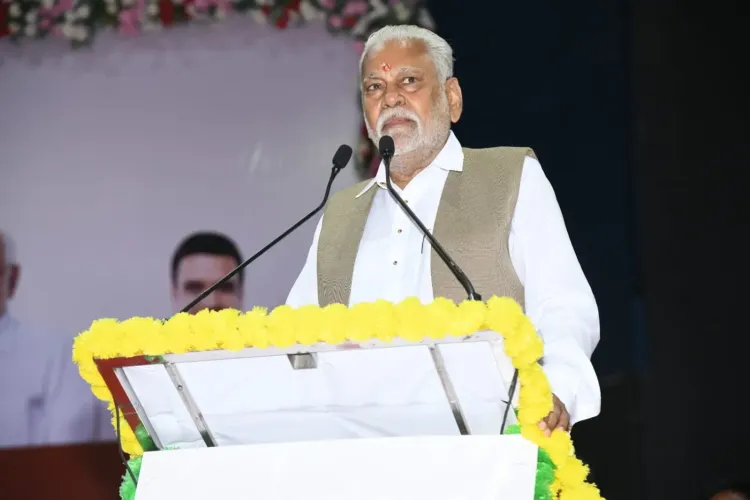
Bharatiya Janata Party (BJP) Member of Parliament Parshottam Rupala on Thursday, 15 October 2026, asserted that the Citizenship Amendment Act (CAA) does not strip anyone of citizenship but instead offers displaced people from neighbouring countries a dignified legal standing in India. His remarks came at a citizenship certificate distribution ceremony in Rajkot, Gujarat, where 319 displaced individuals from Pakistan were formally granted Indian citizenship.
Ceremony and Key Remarks
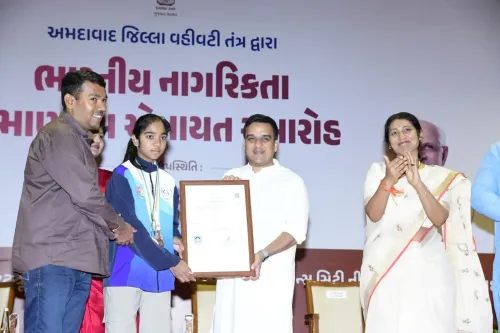
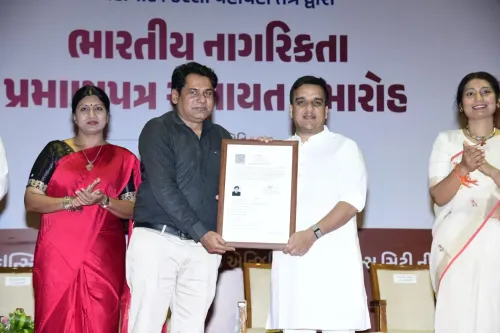
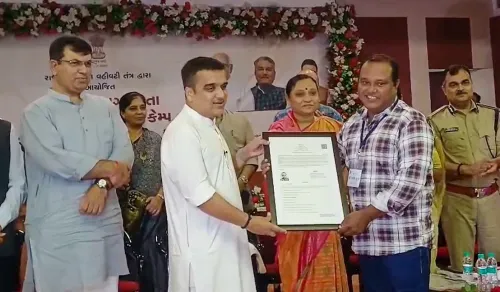
The event was held at the Pramukh Swami Auditorium in Rajkot and organised by the district administration. Gujarat Deputy Chief Minister Harsh Sanghavi personally distributed the citizenship certificates to the beneficiaries, describing the occasion as a 'Diwali-like celebration' for the recipient families. Rupala, addressing the gathering, called the CAA a 'humanitarian initiative' of the Central government.
'The law is not meant to revoke anyone's citizenship, but is a humanitarian law to provide a dignified place in their own country to people who were left helpless after arriving here years ago,' Rupala said. He added that the legislation had 'brought light into the lives of refugees who had experienced unbearable pain and difficulties in neighbouring countries before coming to India.'
Who Received Citizenship
Of the 319 beneficiaries, 259 were residents of Rajkot district, 53 from Morbi, six from Kutch, and one from Surendranagar. Many recipients were visibly emotional upon collecting their certificates. Sanghavi welcomed them as Indian citizens, noting that the families had endured years of hardship in Pakistan before finding refuge in Gujarat.
Conditions in Pakistan Highlighted
Deputy Chief Minister Sanghavi specifically referred to the difficulties faced by women in Pakistan's Tharparkar region, saying those who had migrated to Gujarat would now be able to live with greater freedom and dignity. He also recalled reported instances of Hindus in Pakistan changing their names to shield themselves from persecution, underlining that the new citizens could now live under their real identities in India.
Political Context and Officials Present
Rupala congratulated Prime Minister Narendra Modi and Union Home Minister Amit Shah for the initiative. At the close of the ceremony, the beneficiaries expressed gratitude toward Modi, Gujarat Chief Minister Bhupendra Patel, and Sanghavi, calling the grant of citizenship the 'end of years of struggle.' Also present were District Collector Dr Om Prakash, Mayor Dr Nehal Shukla, MP Kesaridevsinh Zala, district panchayat president Sanjay Pipaliya, several MLAs, and senior government and police officials. This comes amid ongoing national debate around the CAA, which remains the subject of legal and political scrutiny since its enactment.
Point of View
While symbolically potent, is a fraction of the broader backlog. The Tharparkar reference is deliberate: it personalises persecution in a way that blunts the Act's critics. But as long as the CAA remains before the courts and opposition parties contest its constitutional basis, every such ceremony doubles as campaign material — which raises the question of whether the government's rollout strategy is sequenced as much for optics as for administrative efficiency.
NationPress
16 Oct 2026
Frequently Asked Questions
What is the Citizenship Amendment Act (CAA) and what does it do?
The Citizenship Amendment Act (CAA) provides a pathway to Indian citizenship for persecuted religious minorities — Hindus, Sikhs, Buddhists, Jains, Parsis, and Christians — who fled Pakistan, Bangladesh, or Afghanistan and entered India before 31 December 2014. It does not apply to Muslims from those countries and does not affect the citizenship of any existing Indian citizen.
Who received citizenship in the Rajkot ceremony on 15 October 2026?
A total of 319 displaced people who had migrated from Pakistan received Indian citizenship certificates at the Pramukh Swami Auditorium in Rajkot. The beneficiaries came from Rajkot district (259), Morbi (53), Kutch (6), and Surendranagar (1).
What did BJP MP Parshottam Rupala say about the CAA?
Rupala called the CAA a 'humanitarian initiative' of the Central government and stressed that it is not designed to revoke anyone's citizenship. He said the law was meant to provide a dignified place in India for people who arrived after enduring hardship in neighbouring countries.
Why did Gujarat Deputy CM Harsh Sanghavi reference Pakistan's Tharparkar region?
Sanghavi highlighted the particular difficulties faced by women from Pakistan's Tharparkar region to underscore the humanitarian case for the CAA. He also noted that some Hindus in Pakistan had reportedly changed their names to protect themselves, and said the new citizens could now live under their real identities in India.
How does the CAA ceremony in Rajkot fit into the broader national picture?
The Rajkot event is part of a wider rollout of CAA certificates across India following the Act's operationalisation. While the ceremony granted citizenship to 319 individuals in Gujarat, the total number of pending applications nationally is significantly larger, and the Act continues to face legal and political challenges.