CM Fadnavis: ₹4,000 Crore Annual Fund for Jan Arogya Yojana
Synopsis
The Chief Minister's Office of Maharashtra announced a ₹4,000 crore annual fund for the Jan Arogya Yojana, reaffirming CM Devendra Fadnavis's commitment to cashless healthcare for low-income families under the state's flagship health insurance programme.
Key Takeaways
₹4,000 crore per year is to be allocated to Maharashtra's Jan Arogya Yojana health insurance scheme.
The scheme was originally launched as the Mahatma Jyotiba Phule Jan Arogya Yojana in 2012 to provide cashless secondary and tertiary care.
Chief Minister Devendra Fadnavis has been credited with overseeing the state's ongoing health insurance push.
Maharashtra has been aligning Jan Arogya Yojana with the national Ayushman Bharat framework introduced in 2018 .
A committed annual corpus reduces reimbursement uncertainty for empanelled hospitals, potentially widening the provider network.
Scheme utilisation data and state budget documents will be key indicators of whether the fund delivers on its promise.
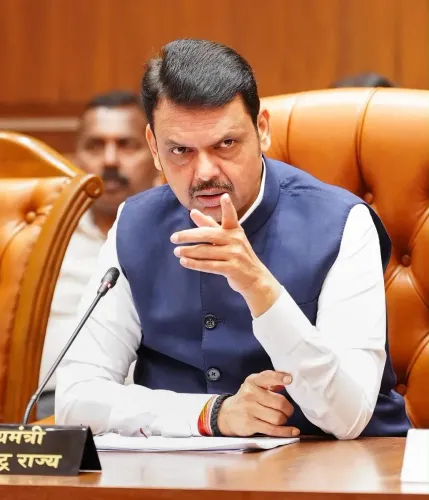
A ₹4,000 crore annual fund earmarked for Maharashtra's flagship health insurance scheme — that is the figure Chief Minister Devendra Fadnavis and the Chief Minister's Office of Maharashtra have put on record on Saturday, 24 October 2026, in a post that signals the state's sustained financial commitment to cashless healthcare for its most vulnerable citizens.
What Jan Arogya Yojana actually does for families
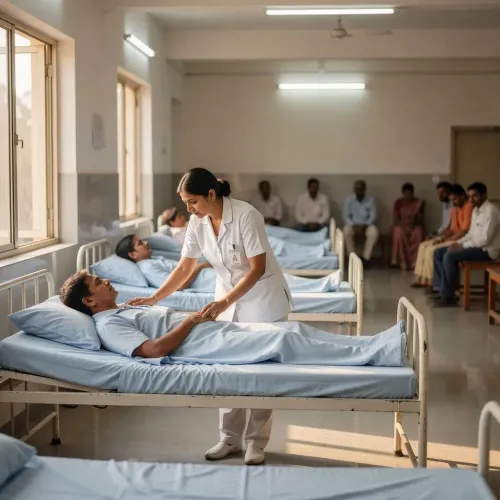
The Mahatma Jyotiba Phule Jan Arogya Yojana, launched by Maharashtra in 2012, provides cashless secondary and tertiary care to low-income families at empanelled hospitals across the state. The scheme covers a wide basket of surgical procedures and treatments that would otherwise push households into medical debt. An annual corpus of ₹4,000 crore would represent one of the larger state-level health insurance allocations in the country.
How Maharashtra fits into India's broader health-insurance push
When the national Ayushman Bharat framework arrived in 2018, many states were already running parallel schemes — Maharashtra among them. The state has progressively worked to align Jan Arogya Yojana with the Ayushman architecture, expanding both the beneficiary base and the network of empanelled hospitals. A dedicated ₹4,000 crore annual fund signals that Maharashtra intends to sustain that momentum rather than wind down its own scheme in favour of central coverage alone.
What the number means for empanelled hospitals
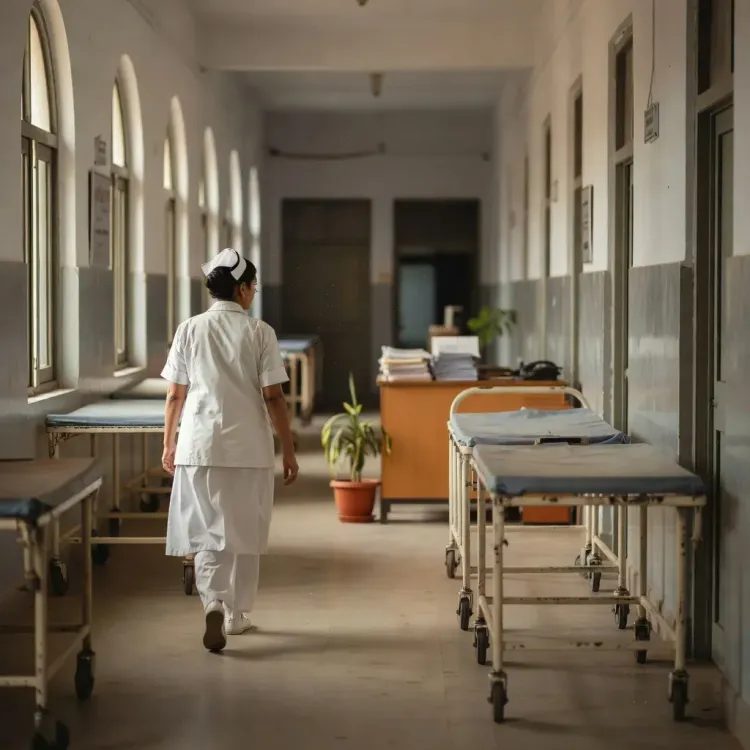
For private and public hospitals registered under the scheme, a clearly committed annual outlay reduces reimbursement uncertainty — a long-standing friction point that has caused some facilities to de-list from state health insurance programmes nationwide. Greater funding certainty tends to attract more hospitals into the network, which in turn widens geographic access for beneficiaries in semi-urban and rural Maharashtra.
The measure of success, as always, will be in the utilisation data: how many families actually file claims, how quickly hospitals are reimbursed, and whether the ₹4,000 crore ceiling proves adequate as medical inflation and enrolment numbers grow. Those answers will emerge from state budget documents and scheme audit reports in the months ahead.
For now, the signal from Fadnavis is unambiguous — public health financing in Maharashtra is not being left to chance.
Point of View
000 crore annually to Jan Arogya Yojana fits a clear pattern of Indian states reinforcing their own health insurance architecture even as the central Ayushman Bharat scheme expands. For Fadnavis, the announcement doubles as a fiscal signal to hospitals and beneficiaries alike — that the state will not cede ground on public health financing. The real test, however, is absorption: large annual allocations in state health schemes have historically been underutilised due to empanelment bottlenecks and claim processing delays. If Maharashtra can convert this fund into actual on-ground coverage, it sets a benchmark for other large states navigating the same tension between state-run and centrally-sponsored health schemes.
NationPress
24 Oct 2026
Frequently Asked Questions
What is Jan Arogya Yojana in Maharashtra?
Jan Arogya Yojana — formally the Mahatma Jyotiba Phule Jan Arogya Yojana — is Maharashtra's state-run health insurance scheme launched in 2012 that provides cashless secondary and tertiary medical treatment to low-income families at empanelled hospitals.
How much funding has been announced for Jan Arogya Yojana?
Chief Minister Devendra Fadnavis's office announced a ₹4,000 crore annual fund dedicated to the Jan Arogya Yojana scheme.
Who benefits from the Jan Arogya Yojana scheme?
Low-income families in Maharashtra are the primary beneficiaries, gaining access to cashless treatment for a wide range of surgical and medical procedures at registered hospitals.
How does Jan Arogya Yojana relate to Ayushman Bharat?
Maharashtra has been progressively aligning Jan Arogya Yojana with the national Ayushman Bharat framework introduced in 2018, expanding both beneficiary coverage and the network of empanelled hospitals while maintaining its own state-level fund.
What does the ₹4,000 crore allocation mean for hospitals?
A clearly committed annual outlay reduces reimbursement uncertainty for empanelled hospitals, which can encourage more facilities — especially in semi-urban and rural areas — to join the scheme's network.