CM Fadnavis Reviews Integrated Ayushman Bharat-MJPJAY Scheme
Synopsis
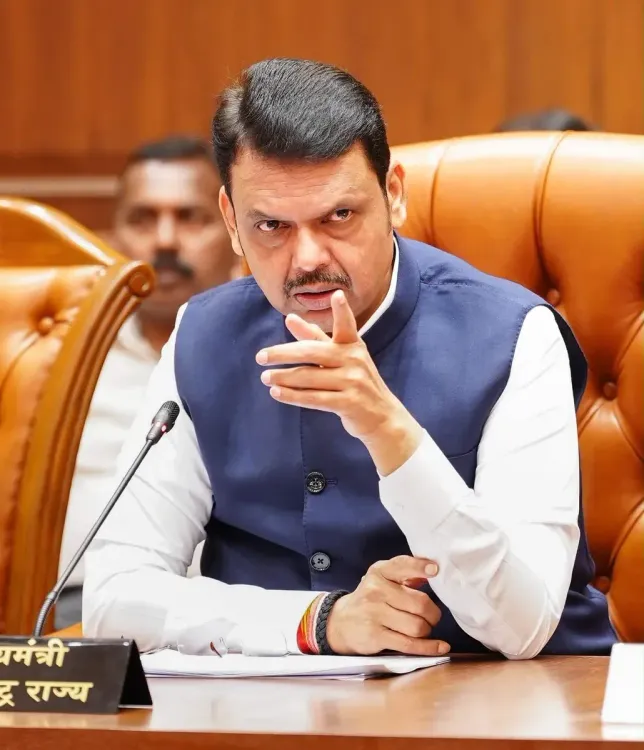
Chief Minister Devendra Fadnavis chaired a review of Maharashtra's integrated Ayushman Bharat PM-JAY and Mahatma Jyotirao Phule Jan Arogya Yojana at Vidhan Bhavan on 10 July 2026, with senior ministers and officials present to assess the unified public health insurance framework.
Key Takeaways
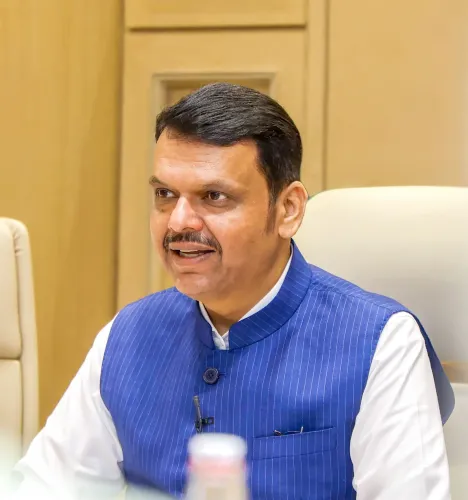
CM Devendra Fadnavis chaired the review meeting at Vidhan Bhavan, Mumbai on 10 July 2026 .
The meeting covered the Integrated Ayushman Bharat - PM-JAY and Mahatma Jyotirao Phule Jan Arogya Yojana .
Attendees included Minister Chandrashekhar Bawankule , Minister Prakash Abitkar , MoS Dr.
Pankaj Bhoyar , MoS Meghna Bordikar , and MLA Dr.
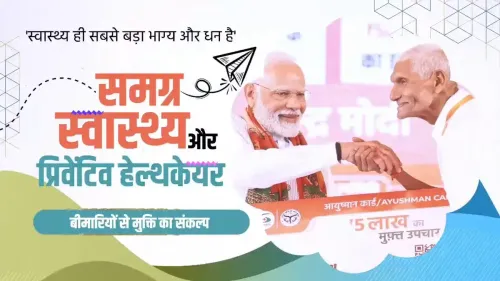
PM-JAY provides cashless coverage of up to Rs 5 lakh per family per year for hospitalisation.
Maharashtra began integrating its state scheme with the central PM-JAY framework around 2019-2020 to reduce duplication and unify beneficiary data.
Follow-up announcements on hospital empanelment, beneficiary lists, or budget utilisation are possible outcomes of the review.
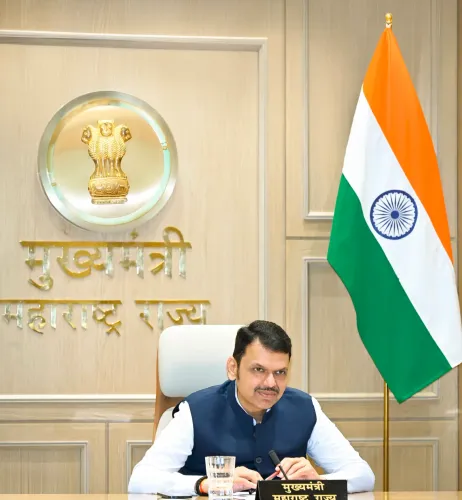
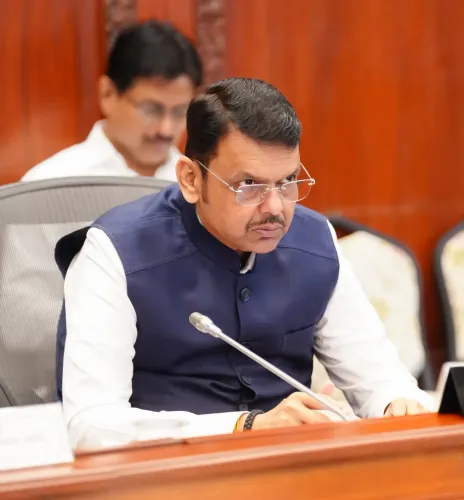
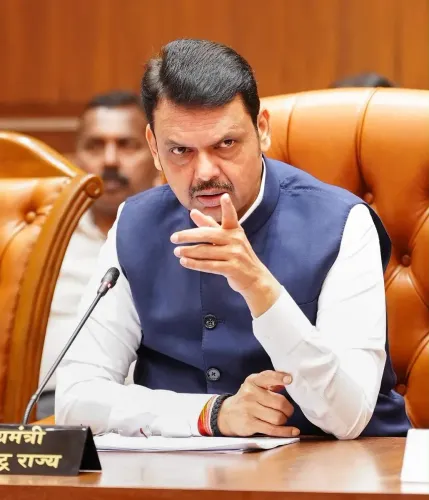
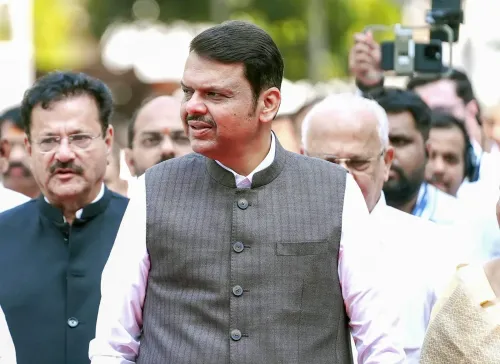
Chief Minister Devendra Fadnavis chaired a high-level review meeting on the Integrated Ayushman Bharat - Pradhan Mantri Jan Arogya Yojana (PM-JAY) and the Mahatma Jyotirao Phule Jan Arogya Yojana (MJPJAY) at Vidhan Bhavan, Mumbai, on 10 July 2026 at 11:10 am. The meeting, convened by the Chief Minister's Office of Maharashtra, brought together senior ministers, ministers of state, and top government officials to assess the implementation of Maharashtra's unified public health insurance framework.
Context
The review meeting was attended by Minister Chandrashekhar Bawankule, Minister Prakash Abitkar, Minister of State Dr. Pankaj Bhoyar, Minister of State Meghna Bordikar, and MLA Dr. Rahul Aher, alongside senior officials from the health department. The gathering signals the Maharashtra government's continued focus on monitoring the on-ground delivery of its flagship health coverage programmes. The post, published in English, Marathi, and Hindi, underscores the state's effort to communicate the review broadly across linguistic communities.
Policy Backdrop
PM-JAY, launched nationally in September 2018 under the Ayushman Bharat umbrella, provides cashless health coverage of up to Rs 5 lakh per family per year for secondary and tertiary hospitalisation, targeting economically weaker sections. Maharashtra's own MJPJAY — which evolved from the earlier Rajiv Gandhi Jeevandayee Arogya Yojana — extends similar cashless treatment benefits to low-income families through a network of empanelled hospitals across the state. Around 2019-2020, Maharashtra began integrating the two schemes to create a unified beneficiary database, reduce duplication, and allow portability of coverage. The current review is part of the ongoing administrative effort to align central and state health insurance resources under a single operational framework.
Stakeholders and Impact
The primary beneficiaries of the integrated scheme are low-income households across Maharashtra who depend on publicly funded insurance to access quality hospital care without out-of-pocket expenditure. Empanelled public and private hospitals also have a direct stake, as scheme performance affects their reimbursement timelines and patient volumes. A unified review at the Chief Minister's level typically signals scrutiny of hospital empanelment targets, claim settlement efficiency, and beneficiary enrolment figures — all of which directly determine how effectively the scheme reaches its intended population.
What's Next
Review meetings of this nature in Maharashtra have historically preceded announcements on revised beneficiary lists, expanded hospital networks, or updated budget utilisation disclosures — often tabled in the state assembly or released through the health department. Stakeholders will watch for any follow-up directives from CM Fadnavis's office on scheme reforms, grievance redressal mechanisms, or fresh targets for the 2026-27 financial year. The multi-ministerial attendance at this review suggests that any subsequent policy decisions are likely to carry broad cabinet-level backing.
Point of View
Spanning cabinet ministers and ministers of state, suggests Maharashtra is preparing to make substantive decisions on the integrated scheme rather than simply stocktaking. This fits a broader national pattern where states are under pressure to demonstrate PM-JAY utilisation rates to the Centre as a condition for continued co-funding. For CM Fadnavis, visible engagement with a scheme that directly touches crores of low-income households also carries clear political salience in a state with a large and electorally significant beneficiary base.
NationPress
8 Oct 2026
Frequently Asked Questions
What is the Integrated Ayushman Bharat PM-JAY and MJPJAY scheme in Maharashtra?
It is a unified health insurance framework that merges the central government's Pradhan Mantri Jan Arogya Yojana — which offers up to Rs 5 lakh annual cashless coverage per family — with Maharashtra's own Mahatma Jyotirao Phule Jan Arogya Yojana, which provides similar benefits to low-income families through empanelled hospitals across the state.
Why did CM Devendra Fadnavis hold a review meeting on health schemes on 10 July 2026?
The Chief Minister's Office of Maharashtra convened the meeting at Vidhan Bhavan to assess implementation of the integrated health insurance scheme, with senior ministers and officials present to review coverage, hospital empanelment, and beneficiary enrolment.
Who attended the Ayushman Bharat review meeting chaired by CM Fadnavis?
The meeting was attended by Minister Chandrashekhar Bawankule, Minister Prakash Abitkar, Minister of State Dr. Pankaj Bhoyar, Minister of State Meghna Bordikar, MLA Dr. Rahul Aher, and senior government officials.
What is the Mahatma Jyotirao Phule Jan Arogya Yojana?
MJPJAY is Maharashtra's state health assurance scheme that provides cashless treatment to low-income families through a network of empanelled hospitals; it evolved from the earlier Rajiv Gandhi Jeevandayee Arogya Yojana and was integrated with the central PM-JAY around 2019-2020.
What could follow from the Maharashtra health scheme review meeting?
Such reviews in Maharashtra have historically preceded announcements on revised beneficiary lists, expanded hospital empanelment targets, or updated budget utilisation figures, which may be released through the health department or tabled in the state assembly.