CM Dhami Hails India Crossing 50% Clean Energy Mark
Synopsis
Uttarakhand CM Pushkar Singh Dhami on 10 July 2026 highlighted that India met over 50% of its electricity demand from clean sources on 6 July, with renewables at 50.2% — framing it as a landmark step in PM Modi's green energy vision and India's COP26 commitments.
Key Takeaways
Uttarakhand CM Pushkar Singh Dhami posted on 10 July 2026 celebrating India crossing the 50% clean energy threshold in daily electricity supply.
Renewable energy sources accounted for 50.2% of India's total power supply on 6 July 2026 , according to the post.
The milestone aligns with India's Panchamrit commitments made at COP26 in 2021 , targeting 500 GW of non-fossil fuel capacity by 2030 .
India co-founded the International Solar Alliance in 2015 , part of the policy push that has driven sustained growth in solar and wind capacity.
Official confirmation from the Ministry of Power and the Central Electricity Authority will be needed to validate the daily penetration figure.
Sustained performance above the 50% daily threshold — not just a single-day peak — remains the more demanding benchmark for India's grid transition.
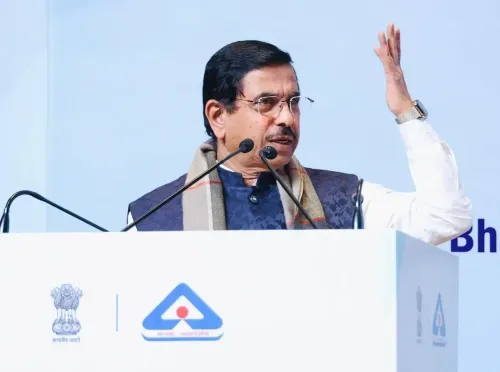
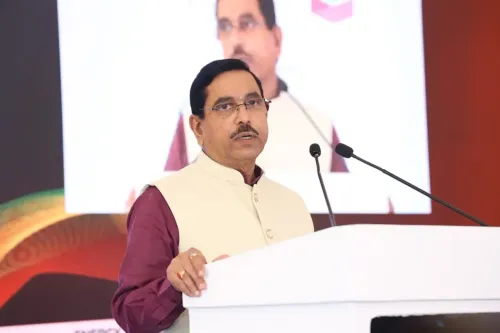
Uttarakhand Chief Minister Pushkar Singh Dhami on Friday, 10 July 2026 took to X to celebrate what he described as a historic national milestone: India meeting more than 50% of its total electricity demand through clean energy sources on 6 July 2026, with renewables accounting for 50.2% of the country's total power supply on that day.
Context
In his post, CM Dhami attributed the achievement to the 'visionary leadership' of Prime Minister Narendra Modi, calling it 'a testament to India's unwavering commitment to sustainable development, energy security, and the vision of building a greener and cleaner future for generations to come.' The post comes as India's power sector continues to draw attention both domestically and internationally for the pace of its clean energy transition.
The 6 July figure — renewables supplying 50.2% of national electricity demand in a single day — represents a symbolic threshold that energy analysts and policymakers have long tracked as a barometer of grid transformation. While daily renewable penetration fluctuates with weather and demand patterns, crossing the halfway mark on an absolute supply basis signals the growing weight of solar and wind in India's generation mix.
Policy Backdrop
India's push toward clean energy has its roots in a series of ambitious policy commitments made over the past decade. At the COP26 climate summit in Glasgow in 2021, PM Modi unveiled India's Panchamrit (five-nectar) strategy, which includes reaching 500 GW of non-fossil fuel energy capacity by 2030 and achieving net-zero emissions by 2070.
India also co-founded the International Solar Alliance in 2015 to accelerate global and domestic solar deployment. Central and state-level policies — including production-linked incentives, competitive tariff auctions, and grid infrastructure upgrades — have driven a sustained rise in installed renewable capacity, particularly in solar photovoltaic and wind energy, over the past decade.
Stakeholders and Impact
The renewable energy industry stands as a primary beneficiary of this trajectory, with developers, equipment manufacturers, and project financiers all watching penetration milestones closely as signals of long-term market depth. For electricity consumers — households and industries alike — a higher share of renewables in the grid can, over time, translate into greater price stability and reduced exposure to imported fuel costs.
For India's international standing, the milestone reinforces the country's narrative at multilateral climate forums that its energy transition is on track. It also adds political weight to the BJP government's claim that domestic climate ambition and economic growth can advance together, a message that figures prominently in the party's outreach ahead of future electoral cycles.
What's Next
The next formal confirmation of renewable penetration trends is expected through official reports from the Ministry of Power and the Central Electricity Authority (CEA), which periodically publish data on installed capacity and generation mix. Sustained performance above the 50% daily threshold — rather than a single-day peak — will be the more demanding test of whether India's grid can reliably operate on a majority-clean basis.
Progress toward the 500 GW non-fossil capacity target by 2030 will continue to be closely watched by climate negotiators and investors. If the trajectory holds, India could position itself as a benchmark for large emerging economies navigating the dual challenge of rapidly growing electricity demand and deep decarbonisation.
Point of View
Reinforcing the party's 'double engine government' messaging. The 50.2% figure, if confirmed by official data, would mark a genuine grid milestone — but single-day peaks are a softer metric than sustained average penetration, a distinction that tends to get lost in celebratory political communication. The post also signals that clean energy has become a core electoral and diplomatic asset for the ruling dispensation, deployed both for domestic credibility and international climate positioning. Analysts will watch whether the Ministry of Power follows up with granular data that contextualises the figure within longer-term generation trends.
NationPress
10 Jul 2026
Frequently Asked Questions
Did India really cross 50% renewable energy on 6 July 2026?
According to a post by Uttarakhand CM Pushkar Singh Dhami, India met more than 50% of its total electricity demand through clean energy sources on 6 July 2026, with renewables accounting for 50.2% of supply that day. Official confirmation from the Ministry of Power or the Central Electricity Authority is the authoritative source for verifying such daily grid statistics.
What is India's renewable energy target for 2030?
India committed at the COP26 summit in Glasgow in 2021 to achieving 500 GW of non-fossil fuel energy capacity by 2030 as part of PM Modi's Panchamrit climate strategy, which also targets net-zero emissions by 2070.
What did CM Pushkar Singh Dhami say about India's clean energy milestone?
CM Dhami posted on X on 10 July 2026 that India's achievement of sourcing over 50% of its electricity from renewables is 'a testament to India's unwavering commitment to sustainable development, energy security, and the vision of building a greener and cleaner future,' crediting PM Narendra Modi's leadership.
What is the International Solar Alliance and how is it linked to this milestone?
The International Solar Alliance, co-founded by India in 2015, was established to accelerate solar energy deployment globally and domestically. It is part of the broader policy architecture that has helped India scale up its renewable capacity over the past decade, contributing to milestones like the one cited on 6 July 2026.
What does 50% renewable electricity mean for Indian consumers?
A higher share of renewables in the national grid can, over time, reduce India's dependence on imported fossil fuels, potentially improving price stability for both household and industrial electricity consumers while also helping meet international climate commitments.