57 B.Ed colleges move Calcutta HC against Bengal's admission freeze for 2026-27
Synopsis
Fifty-seven B.Ed colleges in West Bengal have taken the state government to the Calcutta High Court, arguing they were barred from admissions without being told why. The case spotlights a wider quality clampdown that has left 205 colleges ineligible for the 2026-27 cycle — and raises a pointed procedural question about due process in regulatory action.
Key Takeaways
57 B.Ed colleges in West Bengal have filed a petition in the Calcutta High Court challenging the state's admission freeze.
The petition is likely to be heard on Tuesday, 10 November 2026 .
Petitioners allege they received no explicit notice specifying the reasons for halting their admissions.
A total of 205 B.Ed colleges have been barred from enrolling students for the 2026-28 session after failing two rounds of inspection.
237 colleges were cleared for 2026-27 admissions following the second round of inspections.
Non-compliant institutions may re-apply for the 2027-29 cycle after resolving infrastructure and faculty deficiencies.
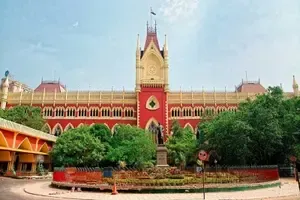
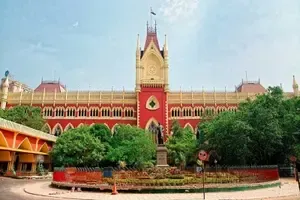
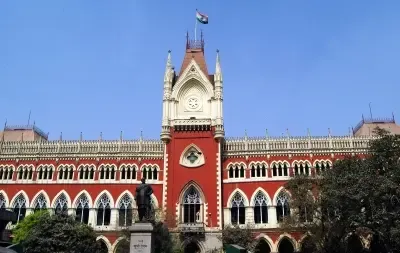
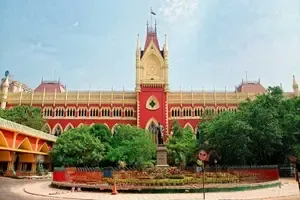
Around 57 Bachelor of Education (B.Ed) colleges in West Bengal have approached the Calcutta High Court, challenging the state government's decision to freeze their admissions for the 2026-27 academic year on grounds of non-compliance with prescribed eligibility standards. The petition is expected to come up for hearing on Tuesday, 10 November 2026, according to officials.
What the Colleges Are Contesting
The petitioner colleges contend that state authorities issued no explicit notice specifying the reasons for halting their admissions. The legal challenge follows the recent publication of an official list identifying institutions deemed ineligible for affiliation renewal for the 2026-27 cycle. According to the state, 205 colleges in total failed to meet requisite infrastructure and administrative standards and have been barred from enrolling fresh students for the 2026-28 session.
How the Crackdown Unfolded
The admission freeze is the culmination of a multi-stage regulatory drive jointly conducted by the Higher Education Department and the Technical Education Department across B.Ed, ITI, Polytechnic, and Pharmacy colleges. In the first phase, 156 B.Ed colleges were cleared for admissions, while 415 colleges that failed initial screening were served 21-day show-cause notices to address deficiencies. Nine institutions did not respond to the notices at all.
After a second round of inspections, 237 B.Ed colleges received approval to admit students for 2026-27. The remaining 205 non-compliant institutions — including the 57 now before the High Court — were barred from enrolling new batches.
What the Government Said
State Higher Education Minister Jagannath Chattopadhyay had earlier made clear that the commercialisation of education would not be tolerated and that academic quality standards must be strictly upheld. Authorities have, however, left a remedial path open: institutions that rectify infrastructure and faculty shortfalls may re-apply to demonstrate eligibility for the 2027-29 academic cycle.
Broader Context and What It Means
The crackdown is part of a wider quality-enforcement push in West Bengal's higher education sector, which has seen repeated concerns raised about substandard teacher-training institutions producing poorly equipped graduates who go on to enter the state's school system. Notably, the absence of explicit notice — a procedural gap the petitioners have highlighted — could become the central question before the Calcutta High Court, potentially setting a precedent for how the state communicates regulatory action to affiliated colleges. The court's ruling is likely to shape the admission calendar for a significant number of institutions heading into the next academic cycle.
Point of View
Individualised notice is the kind of administrative shortcut that courts have consistently frowned upon, regardless of the underlying policy merits. If the High Court finds in the petitioners' favour on procedural grounds, it could force the state to restart the communication process, delaying the very reforms it is trying to accelerate. The deeper issue is structural: Bengal's B.Ed ecosystem has long been characterised by mushrooming, under-resourced colleges. A crackdown is overdue, but due process cannot be its casualty.
NationPress
9 Nov 2026
Frequently Asked Questions
Why have 57 B.Ed colleges approached the Calcutta High Court?
The colleges have challenged the West Bengal government's decision to freeze their admissions for 2026-27, arguing that authorities did not issue any explicit notice outlining the specific reasons for the bar. The petition is expected to be taken up for hearing on 10 November 2026.
How many B.Ed colleges have been barred from admissions in West Bengal?
A total of 205 B.Ed colleges have been declared ineligible for affiliation renewal and barred from admitting students for the 2026-28 session, following a two-stage joint inspection drive by the Higher Education Department and the Technical Education Department.
Can barred colleges apply again in future?
Yes. The state government has indicated that institutions which resolve their infrastructure and faculty shortfalls will be permitted to re-apply and demonstrate eligibility for the 2027-29 academic cycle.
What triggered this regulatory crackdown on B.Ed colleges?
Higher Education Minister Jagannath Chattopadhyay had previously declared that commercialisation of education would not be allowed and that academic quality must be strictly maintained. This prompted joint inspections across B.Ed, ITI, Polytechnic, and Pharmacy colleges to verify compliance with infrastructure and administrative standards.
How did the inspection process work?
In the first phase, 415 B.Ed colleges that failed initial screening were served 21-day show-cause notices; nine did not respond. A second round of inspections then cleared 237 colleges for 2026-27 admissions while the remaining 205 were barred from enrolling new students.