Six graduates arrested in Chhatrapati Sambhajinagar for illegal arms trade
Synopsis
Six degree-holding youths — with B.Sc., B.Com., and BCS qualifications — were arrested in Chhatrapati Sambhajinagar for allegedly running an illegal arms network sourcing weapons from Madhya Pradesh, earning up to ₹45,000 per weapon. The case sharpens a growing debate in Maharashtra about why educated graduates are turning to organised crime.
Key Takeaways
Six graduates were arrested on 25 October by the CIDCO Police Station Detection Branch in Chhatrapati Sambhajinagar, Maharashtra .
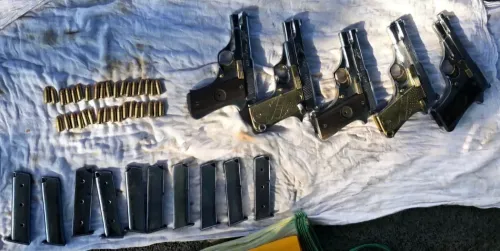
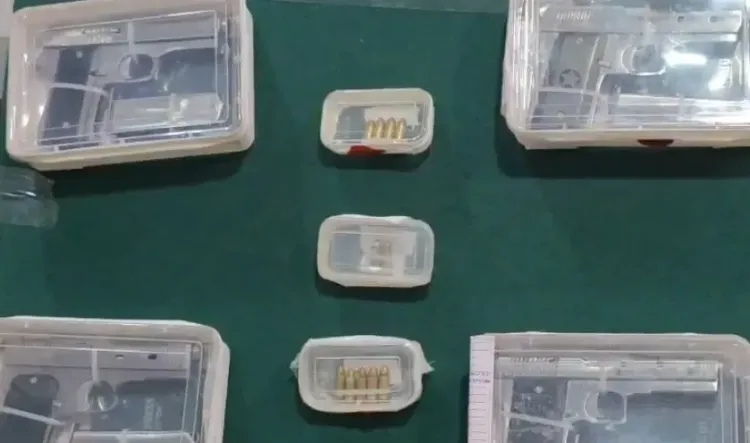
Police recovered 4 firearms and 11 live cartridges from the accused.
The accused allegedly earned ₹40,000–₹45,000 per weapon sold; weapons were reportedly sourced from Madhya Pradesh .
Two of the six had prior criminal records for assault and violence.
A court granted police 4 days of custody for further investigation into the supply chain and buyers.
The case follows similar concerns raised by CM Devendra Fadnavis about educated youth turning to crime after the Ketan Agarwal murder at Lohagad Fort in June.
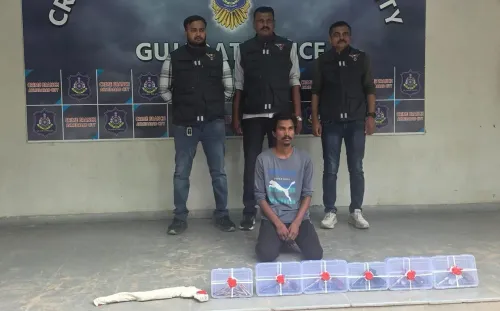
Six young men, all graduates, were arrested on Sunday, 25 October by the CIDCO Police Station in Chhatrapati Sambhajinagar, Maharashtra, on charges of alleged involvement in an illegal arms trade network. The operation, carried out overnight by the Detection Branch, led to the recovery of four firearms and 11 live cartridges from the accused.
How the Operation Unfolded
According to Deputy Commissioner of Police (DCP), Zone-2, Chhatrapati Sambhajinagar, Ratnakar Navle, a team from the CIDCO Police Station's Detection Branch conducted an overnight operation that led to the simultaneous arrest of all six accused. The swift operation points to prior intelligence about the network's activities in the city.
Preliminary investigations indicate that the weapons were allegedly being sourced from Madhya Pradesh and then supplied to multiple locations across Chhatrapati Sambhajinagar. Investigators reportedly suspect that an organised syndicate may be operating behind the supply chain, though the full extent of the network is yet to be established.
Education Credentials Shock Investigators
What particularly surprised police personnel was the educational background of those arrested. Among the six accused are holders of B.Sc., B.Com., and BCS degrees. Officials noted that, rather than pursuing career opportunities commensurate with their qualifications, they were allegedly engaged in trafficking illegal weapons.
Police sources revealed that the accused were reportedly earning approximately ₹40,000 to ₹45,000 per weapon sold — a significant sum that investigators believe may have been a primary motivation. Investigators are still working to determine the procurement source, the identities of buyers, and the broader network of individuals involved.
Prior Criminal Records and Court Custody
The investigation has also revealed that two of the six arrested had previously been booked in cases related to assault and violence. All six were produced before a court, which granted police four days of custody for further interrogation. Investigators are now focused on mapping the supply chain, identifying the weapons' origin, and tracing other potential members of the alleged syndicate.
A Wider Concern: Educated Youth and Crime
This case is not an isolated incident. Following the alleged murder of Ketan Agarwal at Pune's Lohagad Fort in June — purportedly by his fiancée Siya Goyal and her alleged lover — Maharashtra Chief Minister Devendra Fadnavis had publicly underlined the need to introspect why educated young people are increasingly developing what he described as a 'vengeful and distorted mindset'. The Chhatrapati Sambhajinagar case adds fresh weight to that concern, with law enforcement and sociologists alike questioning the systemic pressures driving qualified graduates toward organised crime.
The complete picture of the accused persons' roles and the true scale of the arms network will only emerge once the police investigation is concluded.
Point of View
Not a one-off. The Madhya Pradesh supply link, the earnings per weapon, and the prior criminal records of two accused suggest a layered operation with recruiters, transporters, and end-buyers yet to be identified. Maharashtra's law enforcement has repeatedly flagged the spread of illegal firearms in Marathwada, but prosecutorial outcomes in similar cases have been slow. Whether this arrest translates into dismantling the broader syndicate — or merely removes six replaceable links — depends on how aggressively investigators pursue the chain upward. The CM's rhetoric about 'distorted mindsets' risks psychologising what is fundamentally an organised-crime and economic-opportunity problem.
NationPress
25 Oct 2026
Frequently Asked Questions
Why were six graduates arrested in Chhatrapati Sambhajinagar?
Six young graduates were arrested on 25 October in Chhatrapati Sambhajinagar, Maharashtra, for their alleged involvement in illegal arms trafficking. Police recovered four firearms and 11 live cartridges from them and suspect they were part of an organised syndicate sourcing weapons from Madhya Pradesh.
How much were the accused allegedly earning from the arms trade?
According to police sources, the accused were reportedly earning approximately ₹40,000 to ₹45,000 per weapon sold. Investigators are still working to confirm the full financial scope of the operation and the identities of buyers.
Where were the illegal weapons being sourced from?
Preliminary investigations indicate the weapons were being brought in from Madhya Pradesh and then distributed to various locations across Chhatrapati Sambhajinagar. Police suspect an organised syndicate may be behind the supply chain, though the investigation is ongoing.
What qualifications did the arrested individuals hold?
Among the six arrested, individuals held B.Sc., B.Com., and BCS degrees. Police expressed surprise that qualified graduates were allegedly involved in arms trafficking rather than pursuing career opportunities aligned with their education.
What is the broader context of educated youth involvement in crime in Maharashtra?
The case echoes concerns raised earlier in 2025 after the alleged murder of Ketan Agarwal at Pune's Lohagad Fort, which prompted Chief Minister Devendra Fadnavis to publicly question why educated youth were developing criminal tendencies. The Chhatrapati Sambhajinagar arrests reinforce a pattern that authorities and sociologists are increasingly scrutinising.