CM Bhagwant Mann Hails AAP's Big Punjab Municipal Poll Sweep
Synopsis
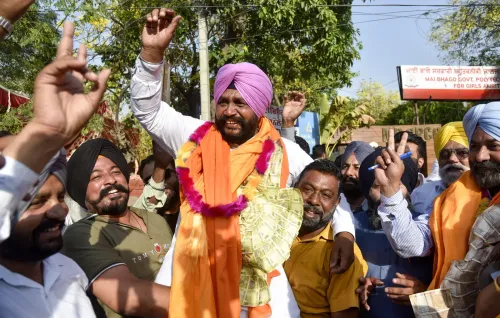
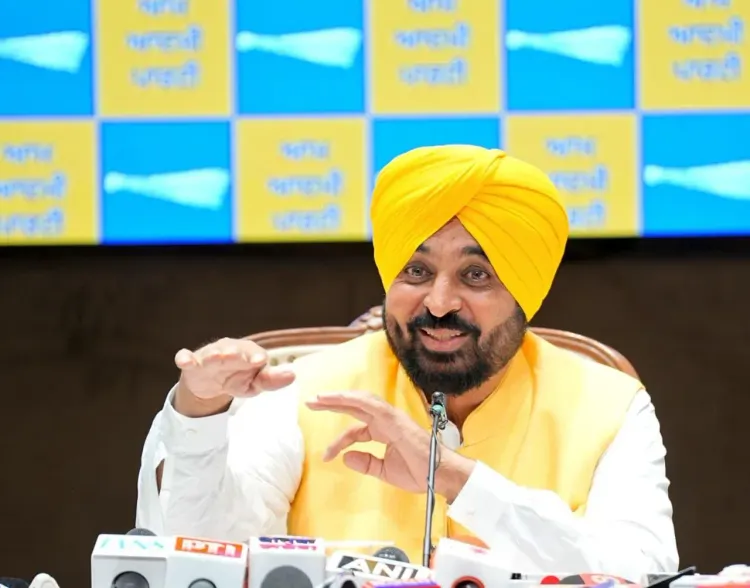
Punjab Chief Minister Bhagwant Mann declared AAP's victory in over 90 per cent of nagar councils in the state's urban local body elections, saying the combined votes of Congress, Akali Dal, and BJP fell short of AAP's tally and that BJP slipped to fifth place.
Key Takeaways
Bhagwant Mann announced AAP won more than 90 per cent of nagar councils in Punjab's nagar nigam and nagar panchayat elections.
Mann claimed the combined vote share of Congress, Shiromani Akali Dal, and BJP did not match AAP's alone.
The BJP reportedly slipped to fifth position in the municipal poll standings.
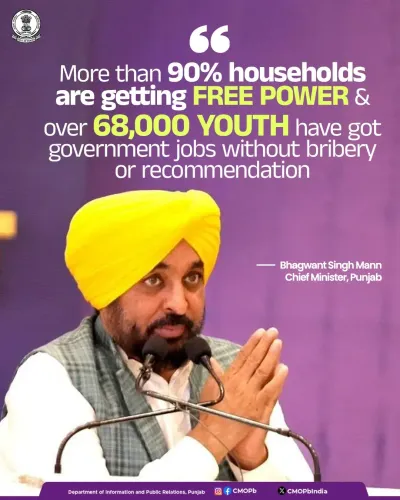
Mann attributed the win to free electricity, Aam Aadmi Clinics , improved government schools, and transparent recruitment.
The CM pledged equal development across all cities, towns, and villages without partisan bias under AAP-controlled local bodies.
The result extends AAP's electoral dominance across all four major poll formats in Punjab — assembly, Lok Sabha, panchayat, and now urban local bodies.
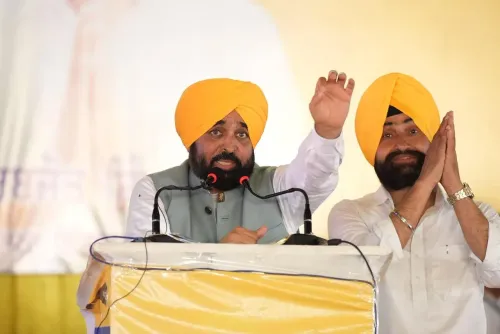
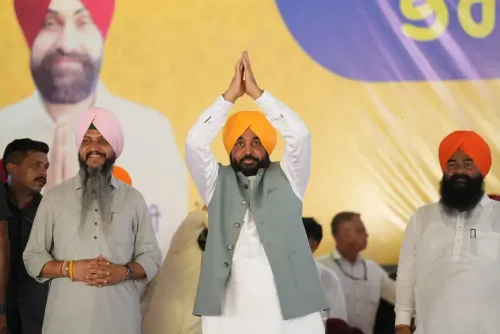
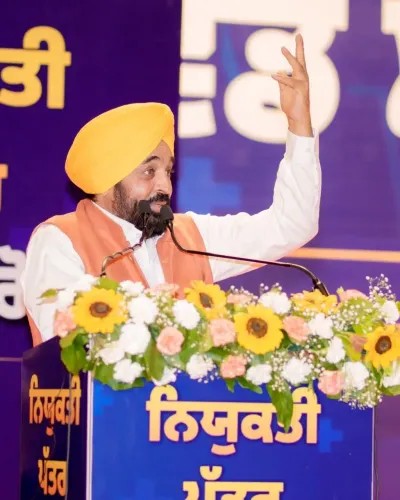
Punjab Chief Minister Bhagwant Mann on Friday, 29 May 2026 declared a sweeping victory for the Aam Aadmi Party in the state's nagar nigam and nagar panchayat elections, claiming the party had won more than 90 per cent of nagar councils contested. Mann credited the mandate to welfare deliverables — free electricity, Aam Aadmi Clinics, upgraded government schools, and transparent government recruitment — framing the result as a public endorsement of his administration's governance model.
Context
Posting in Punjabi on X, Mann wrote: 'ਪੰਜਾਬੀਆਂ ਨੇ ਇੱਕ ਵਾਰ ਫਿਰ ਤੁਹਾਡੀ ਸਰਕਾਰ ਦੇ ਕੰਮਾਂ 'ਤੇ ਮੋਹਰ ਲਗਾਈ ਹੈ' ['Punjabis have once again put their seal of approval on the work of your government']. He listed the sequence of electoral wins — assembly, Lok Sabha, panchayat, and now urban local body polls — as evidence of sustained public trust. He also claimed that the combined vote share of all three opposition parties — Congress, Shiromani Akali Dal, and BJP — did not match AAP's alone, and that the BJP had slipped to fifth place.
The urban local body elections covered nagar nigams and nagar panchayats across Punjab, representing the final tier of electoral competition after AAP's 2022 assembly landslide and its subsequent performance in Lok Sabha and panchayat polls. A win at this level would complete AAP's dominance across all four major electoral formats in the state.
Policy Backdrop
AAP came to power in Punjab in March 2022, ending a decades-long rotation between Congress and the Shiromani Akali Dal–BJP alliance. The party's manifesto had promised 300 units of free electricity per month, expansion of primary healthcare through Aam Aadmi Clinics modelled on Delhi's Mohalla Clinic network, and visible upgrades to government school infrastructure.
Mann's post explicitly tied the municipal mandate to these welfare pillars, naming free power, Aam Aadmi Clinics, 'better schools', and 'transparent jobs' as the four pillars the voters endorsed. The framing is consistent with AAP's broader national narrative that positions welfare delivery as a counter to caste and religious mobilisation by traditional parties.
Stakeholders and Impact
Urban residents across Punjab's towns and smaller cities stand to be most directly affected. Mann pledged that the newly elected AAP councillors would ensure 'equal development of every city, town, and village' without partisan bias — 'ਹੁਣ ਕੋਈ ਪੱਖਪਾਤ ਨਹੀਂ ਹੋਵੇਗਾ' ['now there will be no discrimination']. For the opposition, the results — if they hold to the margins claimed — represent a significant setback. The BJP's reported fall to fifth position would mark a sharp decline for a party that once governed the state in alliance with the Akali Dal.
For the Shiromani Akali Dal, historically the dominant voice of rural and semi-urban Sikh voters, a distant finish in urban local bodies would deepen questions about the party's relevance following its 2022 assembly rout. Congress, which governed Punjab immediately before AAP, has also failed to mount a recovery at the grassroots level according to Mann's account.
What's Next
The immediate focus will shift to the rollout of development works in the nagar councils and nagar panchayats now under AAP control. Mann's pledge of bias-free, equal urban development will be tested against the administrative capacity of newly elected local bodies. Political observers will watch whether AAP translates municipal momentum into durable organisational strength ahead of any assembly bypolls or the next general election cycle. The party's ability to govern at the hyper-local level — where civic grievances around roads, water, and sanitation are most acute — will determine whether the 'positive politics of development' Mann champions retains its electoral currency.
Point of View
As claimed by Mann, signals that AAP's welfare-first model has penetrated urban local governance — historically a stronghold of patronage networks built by Congress and the Akali Dal over decades. Winning at the nagar council level is strategically significant because it gives AAP control over the most visible, day-to-day civic services that shape voter sentiment between assembly elections. The BJP's reported fall to fifth place is particularly notable given its national dominance; it suggests the party's central messaging has limited traction in a state where AAP has successfully localised the political conversation around tangible deliverables. For Mann personally, completing the clean sweep across all electoral tiers strengthens his position within AAP's national leadership ahead of any future political realignments.
NationPress
17 Oct 2026
Frequently Asked Questions
Who won the Punjab nagar nigam and nagar panchayat elections in 2026?
According to Punjab Chief Minister Bhagwant Mann, the Aam Aadmi Party won more than 90 per cent of nagar councils in the 2026 urban local body elections, defeating Congress, Shiromani Akali Dal, and BJP.
What did Bhagwant Mann say about the Punjab municipal election results?
Mann posted on X that Punjabis had once again endorsed 'your government's work,' claiming AAP's vote share exceeded the combined tally of all three main opposition parties and that BJP had fallen to fifth place.
Why does AAP say it won the Punjab municipal elections?
CM Mann attributed the victory to the delivery of free electricity (300 units per month), the rollout of Aam Aadmi Clinics, upgrades to government schools, and transparent government job recruitment.
What happened to BJP in the Punjab municipal elections?
Chief Minister Bhagwant Mann claimed the BJP slipped to fifth position in the Punjab urban local body polls, behind AAP and the other regional and national opposition parties.
What are Aam Aadmi Clinics in Punjab?
Aam Aadmi Clinics are free primary healthcare centres launched by the AAP government in Punjab after its 2022 assembly victory, modelled on the Mohalla Clinic network established in Delhi.