Aavin green packet shortage hits Chennai milk sales by up to 15%
Synopsis
Aavin's green milk packet — the most popular variant in Chennai — has been running dry since August, cutting daily sales by up to 15% from 16.5 lakh litres. With overcharging already emerging and shortages spreading to Coimbatore, Madurai and beyond, Tamil Nadu's government dairy faces its sharpest supply crisis in recent memory.
Key Takeaways
Aavin milk sales in Chennai have fallen 10–15% over the past six months, down from roughly 16.5 lakh litres per day.
The green packet shortage has been most acute since August 2026 , with many outlets selling out early in the morning.
Green packets officially priced at ₹22 per half-litre are reportedly being sold for ₹24 at some shops — an unauthorised markup of ₹2 .
Shortages extend beyond Chennai to Coimbatore , Tiruchirappalli , Madurai , Salem , and Erode .
Agents blame inadequate procurement by the cooperative; consumers are demanding supply restoration and retail price inspections.
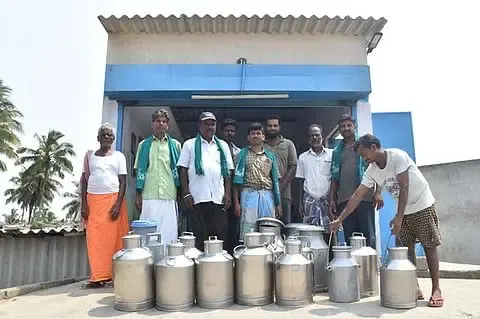
Aavin milk sales in Chennai have fallen by 10 to 15 per cent over the past six months, with daily volumes dropping from roughly 16.5 lakh litres as a persistent shortage of the cooperative's popular green packets leaves households scrambling for alternatives. The scarcity, which has intensified since August 2026, is forcing consumers to buy pricier private-brand milk — and, in some cases, pay above the government-mandated rate.
What Is Happening on the Ground
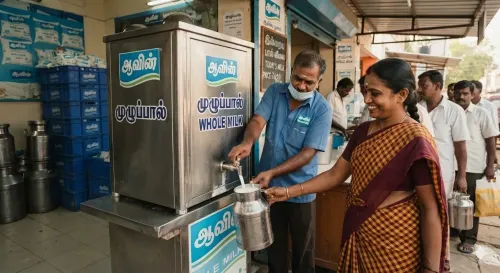
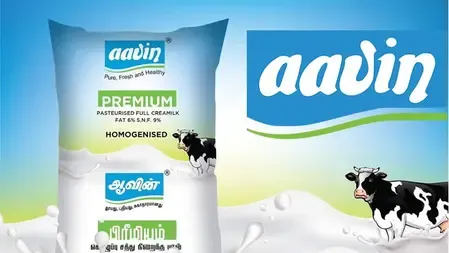
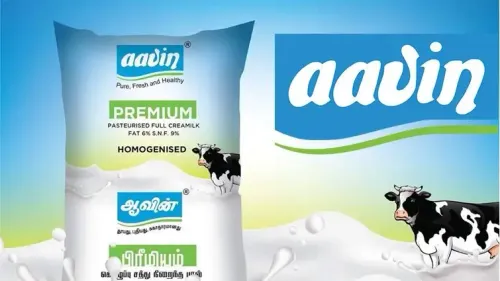
Aavin, the Tamil Nadu government-owned dairy cooperative, distributes milk in orange, green, and blue packets distinguished by fat content. The green packet is the most widely preferred by Chennai households. Milk agents report that the number of crates supplied to several Aavin outlets has been cut, leaving shelves bare well before the morning rush ends. Consumers who arrive late are routinely turned away and forced to try multiple outlets or switch to private brands.
Why Supply Has Tightened
Agents attribute the shortfall primarily to inadequate procurement — the cooperative, they allege, has not raised the volume of milk it purchases from farmers despite demand remaining steady. This structural mismatch between procurement and sales has compounded over months, with no announced corrective measures from Aavin management or the state government as of 21 September 2026.
Price Violations and Consumer Burden
The scarcity has reportedly triggered overcharging at some small grocery shops. Consumers say green packets, officially priced at ₹22 for half a litre, are being sold for ₹24 — an unauthorised markup of ₹2 per packet. Families that rely heavily on Aavin milk say the compounded effect of higher private-brand prices and inflated street rates has visibly increased their monthly household expenses.
Districts Beyond Chennai Also Affected
The disruption is not confined to the state capital. Similar green-packet shortages have been reported in Coimbatore, Tiruchirappalli, Madurai, Salem, and Erode districts, suggesting the problem is systemic rather than localised. This is particularly significant because Aavin serves as a low-cost anchor for dairy consumption across Tamil Nadu, and prolonged supply gaps risk permanently shifting consumers toward private alternatives.
What Consumers and Agents Are Demanding
Consumers have urged the Tamil Nadu government and Aavin management to immediately raise procurement levels, restore earlier supply volumes, and enforce strict price controls at retail outlets. Milk agents have warned that without swift action on procurement and distribution — across Chennai and other affected districts — the shortfall could deepen further in the coming weeks.
Point of View
The first victims are lower-income households that depend on subsidised dairy — and the immediate beneficiaries are private brands that can charge a premium. The overcharging reports are a classic symptom of artificial scarcity: where state supply fails, informal markets fill the gap at a price. That the disruption spans six cities suggests a systemic procurement failure, not a logistics blip. The Tamil Nadu government needs to answer why procurement volumes were not adjusted in step with consistent demand — and whether this gap was flagged internally and ignored.
NationPress
21 Sept 2026
Frequently Asked Questions
Why are Aavin green milk packets unavailable in Chennai?
Aavin green packets are in short supply primarily because the cooperative has reportedly not increased procurement from farmers to match steady consumer demand, causing a structural gap between supply and sales. The shortage has been particularly severe since August 2026.
By how much have Aavin milk sales fallen in Chennai?
Milk agents report that Aavin's daily sales in Chennai have declined by 10 to 15 per cent over the past six months, with volumes falling from an earlier level of around 16.5 lakh litres per day.
Is the Aavin shortage limited to Chennai?
No. Similar shortages of green packets have been reported in Coimbatore, Tiruchirappalli, Madurai, Salem, and Erode districts, indicating a state-wide supply problem rather than a localised one.
What is the official price of Aavin green milk, and is it being overcharged?
The official price of a green Aavin milk packet is ₹22 for half a litre. Consumers have reported being charged ₹24 at some small grocery shops — an unauthorised markup of ₹2 per packet.
What are consumers and agents demanding from the Tamil Nadu government?
Consumers are urging the Tamil Nadu government and Aavin management to raise procurement levels, restore earlier supply volumes, and conduct regular inspections to prevent overcharging. Milk agents have warned the situation could worsen unless distribution is strengthened immediately.