Aavin milk procurement price lags private dairies by ₹16, Tamil Nadu farmers demand revision

Synopsis
Tamil Nadu dairy farmers are sounding an alarm: Aavin pays ₹34 per litre while private dairies offer ₹50 and direct sales fetch ₹62. With a 50-kg bag of oil cake now costing ₹1,800 and grazing land vanishing, the economics of staying with the state cooperative simply don't add up — and farmers are voting with their herds.
Key Takeaways
Aavin currently procures milk at approximately ₹34 per litre , against ₹50 per litre offered by private dairies and up to ₹62 per litre from direct household sales.
A 50-kg bag of oil cake — a key cattle feed — now costs around ₹1,800 , sharply raising production costs.
Shrinking common grazing lands have forced farmers to purchase green fodder year-round, adding to financial strain.
Many farmers have reportedly reduced milch animal numbers or abandoned dairy farming entirely due to unviable margins.
Farmer organisations have urged the Tamil Nadu government to align Aavin's procurement price with private sector rates to stabilise cooperative milk supply.
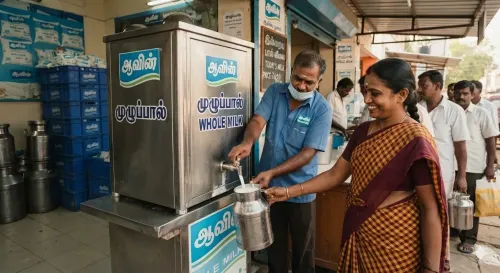
Dairy farmers across Tamil Nadu have urged the state government to urgently revise Aavin's milk procurement price, warning that the current rate of approximately ₹34 per litre is no longer viable against sharply rising production costs. The appeal, voiced by farmer organisations across the state, underscores a deepening crisis within Tamil Nadu's flagship dairy cooperative network.
The Price Gap Driving Farmers Away
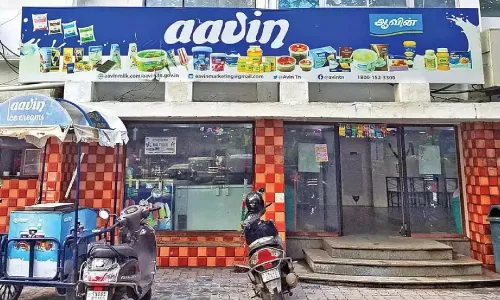
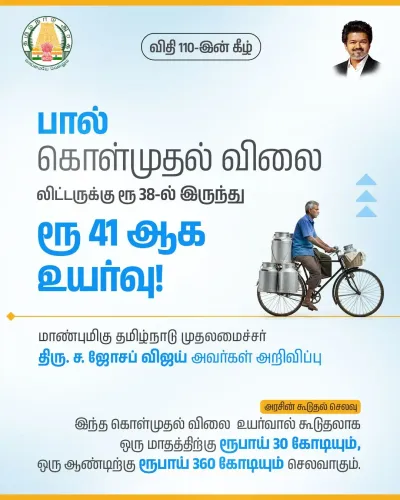
Aavin, the state-run dairy cooperative, procures milk at an average of around ₹34 per litre — well below the ₹50 per litre offered by several private dairy companies. Farmers who sell directly to households reportedly earn close to ₹62 per litre. This widening price differential has prompted a steady migration of milk producers away from the cooperative network toward private buyers and direct retail channels.
For decades, Aavin's cooperative societies provided farmers with an assured, reliable market. Critics now argue that stagnant procurement rates have effectively eroded that assurance, leaving the cooperative structurally weakened at a time when input costs have surged.
Rising Costs Squeeze Margins to Near Zero
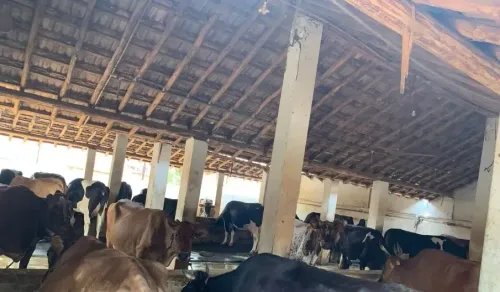
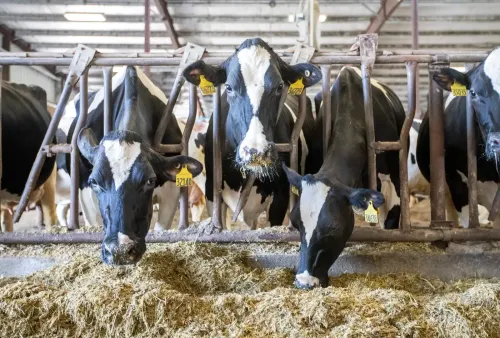
Farmers point to a structural shift in the economics of cattle rearing. Village livestock once grazed freely on common lands, keeping fodder costs minimal. Shrinking grazing areas have since forced producers to purchase green fodder year-round. During shortage periods, dependence on commercial feed — including rice bran and oil cake — intensifies further.
According to farmers, a 50-kg bag of oil cake now costs around ₹1,800, a figure that has climbed steeply in recent years. Combined with rising labour charges, veterinary fees, and routine cattle maintenance expenses, many dairy households say the present procurement price barely covers production costs, leaving little or no net income from milk sales.
Declining Herd Sizes and Abandoned Farms
The financial pressure has had visible consequences on the ground. Several farmers have reportedly reduced the number of milch animals they maintain, while others have exited dairy farming altogether. Disease-related cattle deaths and falling milk yields have compounded the strain, further reducing the volume of milk flowing into Aavin's collection network.
This is not an isolated local grievance — it reflects a pattern seen in several state cooperative dairy systems across India, where private sector competition and rising input costs have gradually eroded cooperative market share without a corresponding policy response on procurement pricing.
What Farmer Organisations Are Demanding
Farmer bodies have called on the Tamil Nadu state government to revise Aavin's procurement price to a level comparable with private dairy companies. They argue that a meaningful upward revision would incentivise producers to return to the cooperative fold, stabilise Aavin's milk collection volumes, and safeguard a consistent milk supply for consumers across the state.
As of now, the state government has not publicly responded to the demand. How Tamil Nadu's administration balances Aavin's financial sustainability against farmer welfare — and consumer pricing — will determine whether the cooperative can retain its relevance in the state's dairy economy.
Point of View
And farmers are now bearing its cost. What mainstream coverage underplays is the structural irreversibility: once farmers reduce herd sizes or exit dairy altogether, rebuilding supply chains takes years, not months. Tamil Nadu's government faces a classic public-sector dilemma — raise procurement prices and absorb the fiscal hit, or hold the line and watch Aavin's collection network hollow out. The longer that decision is deferred, the more expensive the eventual correction becomes.
NationPress
20 Oct 2026
Frequently Asked Questions
What is Aavin's current milk procurement price in Tamil Nadu?
Aavin currently procures milk at an average price of approximately ₹34 per litre, according to dairy farmers. This is significantly lower than the ₹50 per litre offered by several private dairy companies and the nearly ₹62 per litre farmers can earn through direct household sales.
Why are Tamil Nadu dairy farmers demanding a price revision from Aavin?
Farmers say the current ₹34 per litre rate no longer covers production costs, which have risen sharply due to shrinking grazing land, costlier commercial feed, higher labour charges, and rising veterinary expenses. Many report earning little or no net income from milk sales to Aavin.
How have rising fodder costs affected dairy farmers in Tamil Nadu?
A 50-kg bag of oil cake — a widely used commercial cattle feed — now costs around ₹1,800, according to farmers. Shrinking common grazing areas have also forced producers to buy green fodder year-round, substantially increasing the cost of maintaining milch animals.
What impact has the price gap had on Aavin's milk collection?
The gap between Aavin's rates and private dairy prices has prompted many farmers to shift to private buyers or direct household sales. This has led to a steady decline in milk volumes supplied to Aavin's cooperative network, with some farmers reducing herd sizes and others exiting dairy farming altogether.
What are farmer organisations asking the Tamil Nadu government to do?
Farmer bodies have urged the state government to revise Aavin's procurement price to a level comparable with private dairy companies. They argue this would encourage producers to return to the cooperative, strengthen Aavin's collection system, and ensure stable milk supply for consumers across Tamil Nadu.