ABVP demands NIA probe into Indian student's murder in Uzbekistan, cites conversion conspiracy

Synopsis
ABVP has demanded an NIA investigation into the murder of Indian medical student Savariya Basant at Bukhara State Medical Institute in Uzbekistan, alleging she was killed after resisting pressure to convert her religion. The demand, backed by a formal ABVP National Executive Council resolution, also calls on the Ministry of External Affairs to engage Uzbek authorities — raising the stakes on how India handles crimes against its students abroad.
Key Takeaways
ABVP on 12 July demanded an NIA probe into the murder of Savariya Basant , an Indian medical student at Bukhara State Medical Institute, Uzbekistan .
The organisation alleged she was killed after repeatedly resisting pressure to convert her religion, citing publicly available information.
The demand follows an ABVP National Executive Council resolution in Bhubaneswar on organised crimes targeting women and religious conversion.
ABVP National General Secretary Virendra Singh Solanki called the death tragic and said any organised extremist network must be fully exposed.
ABVP also urged the Ministry of External Affairs to engage Indian diplomatic missions and Uzbek authorities for swift prosecution.
No formal government response or NIA referral had been confirmed as of the statement's release.
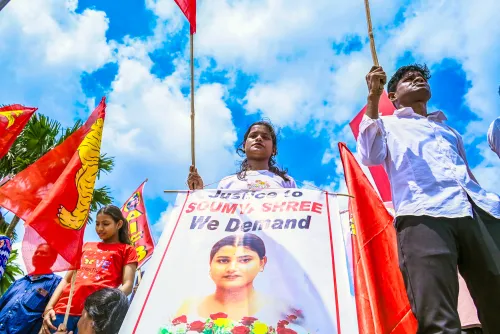
The Akhil Bharatiya Vidyarthi Parishad (ABVP) on Sunday, 12 July demanded a National Investigation Agency (NIA) probe into the murder of Indian medical student Savariya Basant in Uzbekistan, alleging the case may involve an organised criminal network linked to religious conversion and extremist ideology. Basant was enrolled at the Bukhara State Medical Institute at the time of her death.
What ABVP Has Alleged
In an official statement, the student organisation expressed grief over Basant's death and, citing information available in the public domain, claimed she had allegedly been subjected to sustained pressure to convert her religion. According to ABVP, she was murdered after repeatedly resisting such attempts — though the organisation did not present independent evidence to substantiate this specific sequence of events.
ABVP stated the incident should not be treated as an ordinary criminal case and called for a comprehensive investigation covering the possible existence of an organised network, financial links, and any international connections. It added that those found guilty must face the strictest punishment permissible under law.
Resolution Backdrop and Broader Concerns
The demand follows a resolution adopted at ABVP's National Executive Council meeting in Bhubaneswar, titled 'Curbing Organised Criminal and Jihadi Mindset Behind the Exploitation of Women and Religious Conversion'. The resolution flagged what it described as organised attempts involving alleged 'Love Jihad', deception, false identity, psychological coercion, cyber blackmail, and coordinated networks targeting women — framing these as a challenge to national security and social harmony.
Notably, the resolution's framing reflects a pattern of ABVP interventions on similar issues in recent years, situating individual cases within a broader ideological argument about organised religious targeting of women.
Diplomatic and Legal Demands
ABVP urged the Ministry of External Affairs to coordinate closely with the Indian Embassy and Uzbek authorities to ensure a swift investigation and prosecution of the accused through diplomatic and legal channels. The organisation also sought the creation of a stronger security and support mechanism for Indian students studying abroad, with particular attention to women.
It further called for a stringent national legal framework to address organised crimes involving exploitation of women, fraudulent religious conversion, and cyber blackmail, alongside fast-track judicial processes, stronger investigative mechanisms, and expanded women empowerment initiatives such as Mission Sahasi.
What ABVP's Leadership Said
ABVP National General Secretary Virendra Singh Solanki described the student's death as tragic and said it deserved a thorough investigation. He stated that if evidence established the involvement of any organised extremist network, the entire conspiracy should be exposed. Solanki stressed that ensuring the dignity, safety, and constitutional rights of women remained the government's responsibility.
What Happens Next
As of the statement's release, no formal NIA referral has been confirmed by the government. The Ministry of External Affairs has not publicly responded to ABVP's demands. Whether Indian diplomatic channels in Tashkent or Bukhara escalate the matter will be closely watched, particularly given the growing number of Indian students pursuing medical education in Central Asia.
Point of View
As yet, on allegations drawn from public-domain information rather than a concluded investigation. The organisation is situating a cross-border murder within a domestic ideological framework — organised religious conversion — before investigators have publicly established motive. That framing may accelerate diplomatic pressure on Uzbekistan, which is a legitimate outcome, but it also risks prejudging a case that Uzbek authorities are still processing. The real test is whether the Ministry of External Affairs treats this as a consular priority on its own merits, independent of the ideological overlay ABVP has applied. For the roughly 20,000 Indian students in Central Asia, the more durable demand — a structured safety and support mechanism abroad — deserves attention regardless of how the conversion allegation is ultimately resolved.
NationPress
11 Oct 2026
Frequently Asked Questions
Who is Savariya Basant and what happened to her?
Savariya Basant was an Indian medical student enrolled at Bukhara State Medical Institute in Uzbekistan. She was reportedly murdered, and ABVP has alleged she was killed after resisting sustained pressure to convert her religion, though these allegations are based on publicly available information and have not been independently verified.
Why is ABVP demanding an NIA probe?
ABVP argues the case may involve an organised criminal network with religious conversion links and possible international connections, making it more than an ordinary criminal matter. The organisation contends the NIA is better equipped to investigate cross-border extremist networks than local or state police.
What did ABVP's National Executive Council resolution say?
The resolution, adopted at the Bhubaneswar meeting, flagged alleged organised attempts involving 'Love Jihad', false identity, psychological coercion, cyber blackmail, and coordinated networks targeting women as a challenge to national security and social harmony. It provided the ideological backdrop for ABVP's demands in the Basant case.
What has ABVP asked the Ministry of External Affairs to do?
ABVP urged the Ministry of External Affairs to work closely with the Indian Embassy and Uzbek authorities to ensure a swift investigation and prosecution of the accused through diplomatic and legal channels. It also sought a stronger safety mechanism for Indian students — particularly women — studying abroad.
Has the government responded to ABVP's demands?
As of the statement's release on 12 July, no formal government response or NIA referral had been confirmed. The Ministry of External Affairs had not publicly commented on ABVP's specific demands.