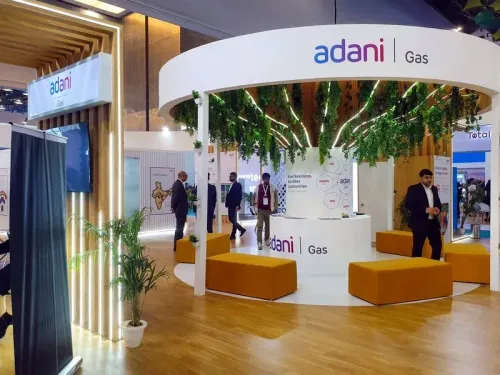
Adani Total Gas Reduces Excess Natural Gas Prices by 30%
Synopsis
In a strategic move to support industrial clients, Adani Total Gas Limited has cut the price of excess natural gas by nearly 30%, effective March 16. This decision comes as upstream prices decline amidst ongoing supply challenges linked to the West Asia crisis.
Key Takeaways
Excess gas price reduced to Rs 82.95 per SCM.
Effective from March 16 .
Reduction due to lower upstream gas prices.
70% of gas is sourced domestically .
Company ensures stability in gas distribution.
Ahmedabad, March 15 (NationPress) - Adani Total Gas Limited has revealed a significant reduction in the pricing of excess natural gas for select industrial clients, following a decline in upstream gas prices amid the ongoing supply challenges linked to the West Asia crisis.
The revised cost for excess gas will be set at Rs 82.95 per standard cubic metre (SCM), down from Rs 119.90 per SCM.
This new pricing structure will take effect starting at 6:00 am on March 16. As a joint venture between the Adani Group and France’s TotalEnergies, Adani Total Gas aims to pass on the benefits of reduced upstream gas prices to its customers while ensuring a stable and equitable distribution of gas during these turbulent supply conditions.
Previously, the company had requested industrial and commercial users to limit their gas consumption to 40 percent of their contracted volumes due to disruptions in India's LNG supplies, which were caused by interruptions in ship movements through the Strait of Hormuz amid the ongoing conflict in West Asia.
Companies utilizing gas quantities exceeding this threshold were subject to spot market rates for the additional quantities consumed.
Even though the excess gas price has been lowered, the company clarified that other conditions related to excess gas supply remain unchanged.
In a notice to users, Adani Total Gas indicated that this price adjustment reflects the decrease in upstream gas costs while ensuring operational stability during the ongoing supply disruptions.
The company has also sought clarification from GAIL (India) Ltd regarding the 80 percent supply commitment to industrial clients under the existing agreement.
Earlier this month, the company opted not to raise the prices of CNG and piped gas supplied to households, despite facing supply challenges.
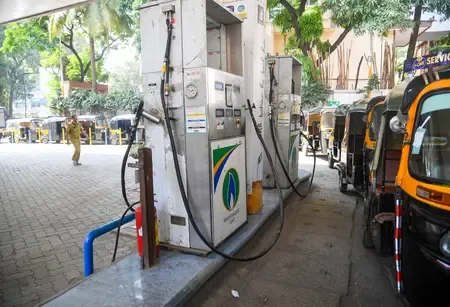
Approximately 70 percent of the gas provided by Adani Total Gas is sourced domestically, utilized for CNG vehicles and piped natural gas in homes, while the remaining 30 percent is imported LNG, primarily directed towards commercial and industrial users.
Point of View
The reduction in excess gas prices by Adani Total Gas Limited is a prudent response to the fluctuating gas market and supply constraints. This move not only aids industrial consumers but also reflects the company's commitment to adapting to market conditions while maintaining fairness in gas distribution.
NationPress
22 Oct 2026
Frequently Asked Questions
What is the new price for excess natural gas?
The new price for excess natural gas has been set at Rs 82.95 per standard cubic metre (SCM), down from Rs 119.90 per SCM.
When will the new pricing take effect?
The revised pricing will come into effect from 6:00 am on March 16.
Why was the price of excess gas reduced?
The reduction in price is due to a decline in upstream gas prices amid ongoing supply disruptions linked to the West Asia crisis.
What percentage of gas supplied is sourced domestically?
Approximately 70% of the gas supplied by Adani Total Gas is sourced domestically.
What action was taken for gas consumption limits?
The company previously requested industrial and commercial users to limit their gas consumption to 40% of their contracted volumes.