Suvendu Adhikari gives Bengal police free hand on crimes against women, drugs
Synopsis
West Bengal CM Suvendu Adhikari has publicly given the state police a free hand on crimes against women and drug smuggling — ruling out political interference and threatening imprisonment for anyone who attacks officers. With 46,000 vacancies still unfilled and a fresh recruitment round due in December, the declaration is as much a governance signal as a law-and-order directive.
Key Takeaways
West Bengal CM Suvendu Adhikari on 7 November 2026 granted police unconditional freedom to act on crimes against women and narcotics smuggling .
Adhikari warned that political interference in these two areas would not be tolerated, and that attacks on police would lead to prolonged imprisonment .
Vandals of police stations will be required to pay for damages with interest , he said.
The state has already recruited 11,000 police personnel ; 46,000 posts remain vacant and will be filled in phases.
Upcoming recruitment includes 6,345 women police personnel and 4,000 constables , with the next round slated for December–January .
An MoU has been signed with an Assam police training centre to modernise Bengal's force.
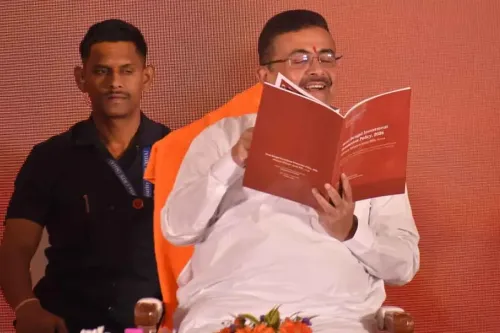
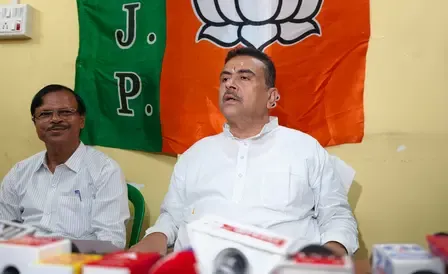
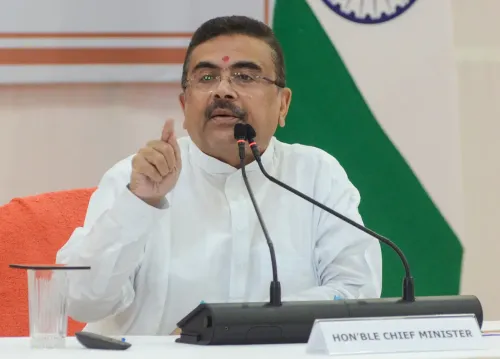
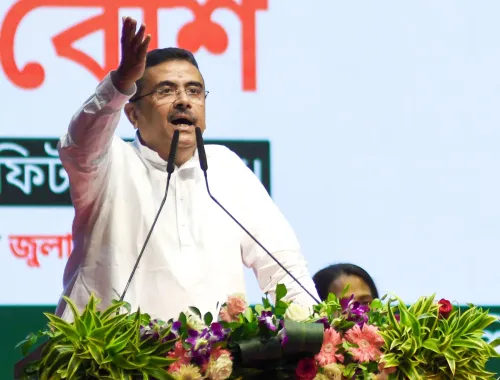
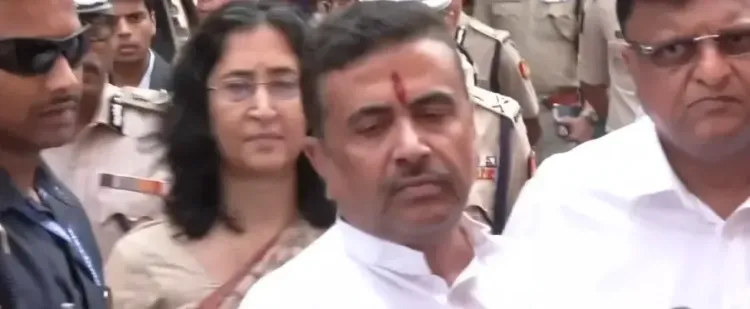
West Bengal Chief Minister Suvendu Adhikari on Saturday, 7 November 2026, declared that the state police had been given a full free hand to act against crimes targeting women and narcotics smuggling, with a categorical warning that political interference in either matter would not be tolerated. The announcement came as Adhikari, who also holds the state's police portfolio, addressed newly recruited sub-inspectors at Lalbazar, the Kolkata Police headquarters in central Kolkata.
The Core Directive
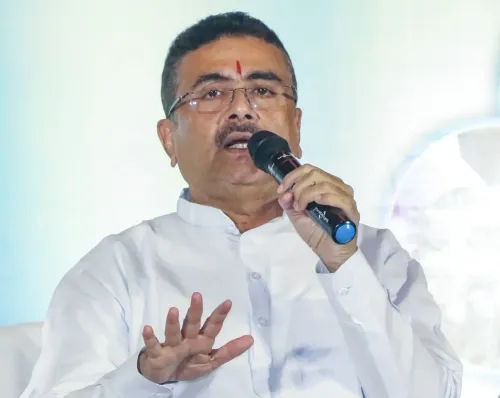
'I have given the police a free hand in tackling two issues. The first is crime against women and the second is narcotics smuggling. I will not tolerate any kind of political interference in these two issues,' Adhikari said at the event. The statement signals a deliberate shift in tone from the previous administration and places both issues beyond the reach of partisan pressure, at least in stated intent.
Adhikari also issued a sharp warning against violence targeting law enforcement. 'As the police minister of the state, I will not tolerate any incident of attack on a cop or ransacking of any police station or police outpost. Those attacking police personnel will have to spend years behind bars,' he said. He added that those who vandalise police establishments would be made to pay for the damage — along with interest.
Recruitment and Modernisation Push
The occasion itself underscored the government's stated priority: the distribution of appointment letters to freshly recruited police sub-inspectors. Adhikari said the current administration had already brought 11,000 personnel into the state police force, claiming that recruitment had been neglected under the previous Mamata Banerjee-led All India Trinamool Congress (TMC) government.
He acknowledged, however, that 46,000 posts remain vacant and committed to filling them in phases. The upcoming recruitment drive will include 6,345 women police personnel and 4,000 constables, with the next round of appointments expected in December–January.
Modernisation and Inter-Agency Coordination
On capacity-building, Adhikari said the state government had signed a memorandum of understanding with a police training centre in Assam to upgrade training quality. Steps are also being taken to strengthen coordination between the state police and Central forces, he added.
Highlighting the operational complexity of policing West Bengal, Adhikari noted the state's sheer scale: 'There are 11 crore people in West Bengal. On one side are mountains, on the other side are jungles, and on the other are several isolated islands. The police's responsibility is to ensure that public life remains normal.' He also promised improved financial security for the force, saying officers had historically lacked adequate welfare provisions.
Political Context
Adhikari's remarks carry pointed political weight. The Bharatiya Janata Party (BJP)-led state government, which displaced the TMC, has repeatedly attacked its predecessor over law-and-order failures, including allegations of political protection for criminals. By publicly ruling out interference in crimes against women and drug cases, Adhikari is positioning the administration as a corrective to what it describes as years of partisan policing. Critics, however, will watch closely whether the operational freedom granted to the police translates into verifiable outcomes on the ground.
With fresh recruitment rounds planned for the coming months and a modernisation agenda publicly laid out, Bengal's new police leadership faces the test of converting political declarations into measurable reductions in crime.
Point of View
Where the BJP has long alleged that policing was subordinated to factional interests. The real accountability test comes later: Bengal has a documented gap between police announcements and ground-level enforcement. With 46,000 vacancies still open, the operational bandwidth to deliver on the directive is limited, and the promised December–January recruitment round will be a key early benchmark for whether this government's law-and-order positioning is substance or spectacle.
NationPress
7 Nov 2026
Frequently Asked Questions
What did Suvendu Adhikari announce about the West Bengal police?
West Bengal Chief Minister Suvendu Adhikari announced on 7 November 2026 that the state police had been given a free hand to tackle crimes against women and narcotics smuggling, with no political interference permitted in either area. He also warned of strict consequences for attacks on police personnel.
Why did Adhikari make this announcement at Lalbazar?
Adhikari was distributing appointment letters to newly recruited police sub-inspectors at Lalbazar, the Kolkata Police headquarters, making it a fitting occasion to outline his administration's policing priorities and signal operational autonomy to the incoming officers.
How many police posts are vacant in West Bengal?
According to Adhikari, 46,000 posts remain vacant in the West Bengal police force. The government has already recruited 11,000 personnel and plans to fill the remaining vacancies in phases, with the next recruitment round expected in December–January.
What action will be taken against those who attack police in West Bengal?
Adhikari warned that anyone who attacks a police officer will face prolonged imprisonment. Those who vandalise police stations or outposts will also be required to pay for the damages along with interest.
What steps is the Bengal government taking to modernise the police force?
The state government has signed an MoU with a police training centre in Assam to improve training quality and is working to strengthen coordination between the state police and Central forces. Adhikari also promised improved financial security for police personnel.