Bengal CM warns of instant arrests for extortion, militant trade unionism under new industrial policy
Synopsis
West Bengal CM Suvendu Adhikari has drawn the sharpest line yet on investor protection: a dedicated extortion helpline with a 15-minute action guarantee, jail for anyone engineering illegal factory shutdowns, and a blistering attack on the previous TMC government's ₹650 crore summit spending that he says produced zero real investment. The new industrial policy now has enforcement teeth — the question is whether the state machinery can deliver.
Key Takeaways
West Bengal CM Suvendu Adhikari unveiled anti-extortion and anti-militant-trade-unionism measures on 5 November 2026 as part of a new industrial policy .
A dedicated helpline will guarantee action within 15 minutes of an extortion complaint by investors.
Adhikari threatened jail for anyone attempting illegal work stoppages at industrial units, directing genuine grievances to the labour commission .
He alleged ₹650 crore was spent on eight Bengal Global Business Summits under the previous TMC government, with MoUs worth ₹16 lakh crore signed but nothing materialising.
State revenue collection has reportedly risen by ₹4,000 crore compared to the same period last year, according to the Chief Minister.
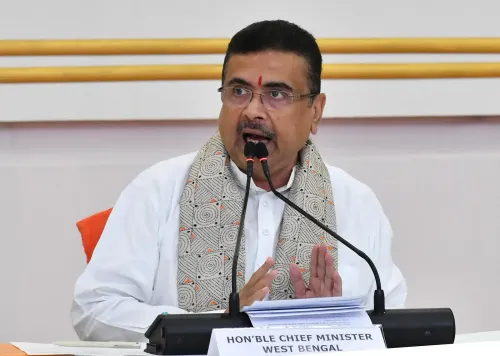
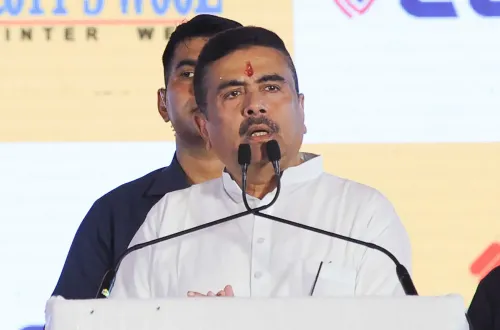
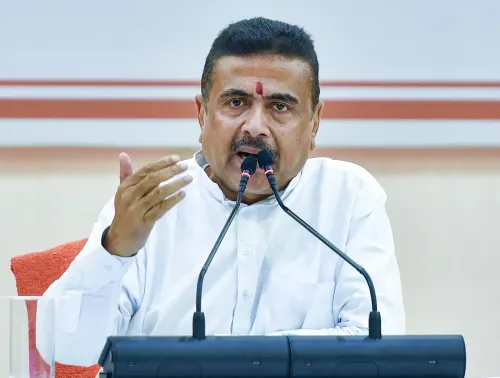
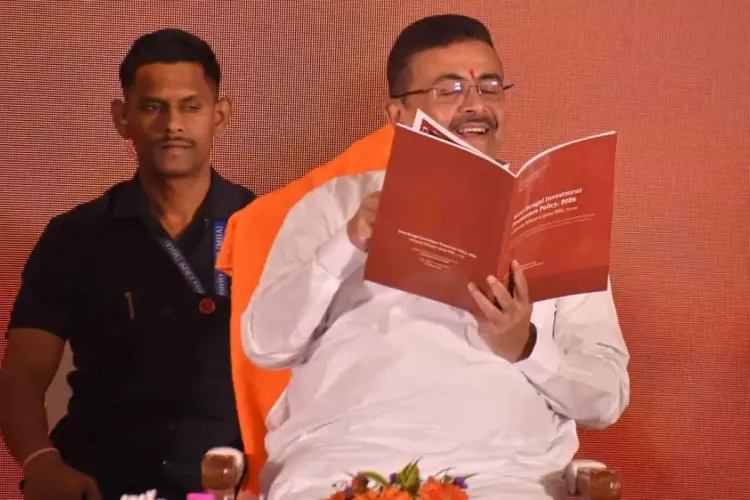
West Bengal Chief Minister Suvendu Adhikari on Thursday, 5 November 2026, issued a sharp warning against extortion and militant trade unionism targeting industrial units, pledging instant arrests under the state's newly unveiled industrial policy. The announcement, made in Kolkata, signals a decisive effort by the new government to overhaul West Bengal's investment climate.
Helpline and 15-Minute Action Promise
Chief Minister Adhikari announced a dedicated helpline for investors to report extortion attempts, committing to action within a strict timeframe. "There is a dedicated helpline number for registering complaints on extortion. I am requesting the investors to register their complaints on that helpline number. I assure that action will be taken within 15 minutes from the time the complaint is registered and the perpetrators will be dealt with strictly as per legal provisions," he said.
This rapid-response mechanism is intended to give investors on-ground confidence that complaints will not languish in bureaucratic delays — a persistent grievance historically associated with doing business in the state.
Zero Tolerance for Militant Trade Unionism
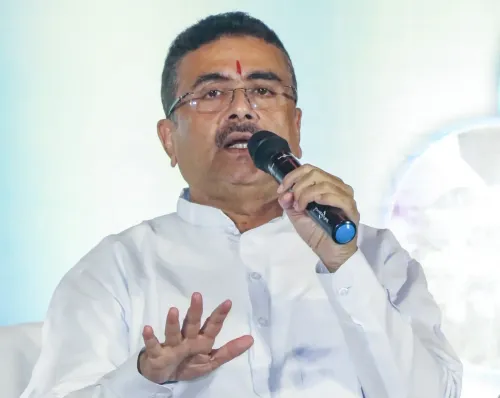
Adhikari also drew a hard line against illegal work stoppages in factories. "I will not allow any attempt at unnecessary cease-work at any industrial unit. Those who will try to do so will be put in jail. I will ensure that they will stay in jail for a long time. If there is any complaint against any management, there is a proper way to address that by approaching the labour commission," he said.
The remarks are notable given West Bengal's historical association with labour unrest that critics have long argued drove away industrial investment. By explicitly naming the labour commission as the legitimate grievance channel, Adhikari sought to distinguish legal worker rights from what he characterised as coercive disruption.
Sharp Attack on the Previous TMC Government
The Chief Minister launched a pointed critique of the Mamata Banerjee-led All India Trinamool Congress (TMC) government's record on investment attraction, specifically targeting the annual Bengal Global Business Summit.
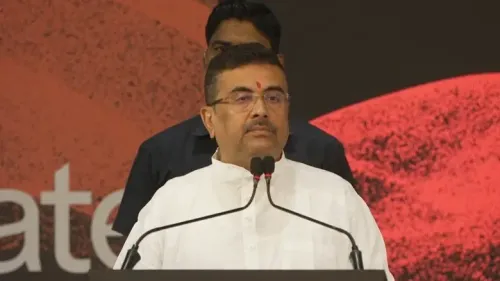
"Over ₹650 crore was spent in organising eight such summits. The previous government claimed that memoranda of understanding worth ₹16 lakh crore were signed in these eight summits. But ultimately nothing fructified. The previous government even showed infrastructure development projects as proposed investments," Adhikari alleged.
The charge that signed MoUs failed to translate into actual investment has been a recurring criticism of the Bengal summit model — not unique to West Bengal, but politically potent here given the scale of the figures involved.
Revenue Recovery and Governance Claims
Adhikari claimed that the state's fiscal position has begun to improve under his administration, attributing the turnaround to tighter revenue collection. He alleged that the previous regime's patronage of corruption had caused severe losses to the state exchequer.
"However, things have started improving in the first six months of our new government. The state's revenue has increased according to the respective periods of the two financial years from April to September 2025 and from April to October 2026," he said, adding that revenue collection has risen by ₹4,000 crore compared to the same period last year.
He framed the broader goal as one of creating a stable investment environment. "Our goal is to increase the state's own tax revenue by stopping money laundering and extortion and create an environment for investment in industry," the Chief Minister added.
What Comes Next
The new industrial policy, backed by these enforcement commitments, will be watched closely by industry bodies and prospective investors eyeing eastern India as a manufacturing destination. Whether the helpline mechanism and anti-extortion pledges translate into measurable improvements on the ground will determine the policy's credibility — and West Bengal's ability to compete with industrially active states for fresh capital.
Point of View
But it also sets a benchmark that Adhikari's own government will eventually be measured against. If the new industrial policy does not produce verifiable investment and job numbers within a credible timeframe, the critique of his predecessors risks becoming a mirror.
NationPress
5 Nov 2026
Frequently Asked Questions
What is West Bengal's new industrial policy about?
West Bengal's new industrial policy, announced on 5 November 2026, focuses on creating a secure investment environment by cracking down on extortion targeting investors and illegal work stoppages by militant trade unions. Chief Minister Suvendu Adhikari unveiled a dedicated investor helpline and promised arrests within 15 minutes of complaints being registered.
What is the helpline announced by Bengal CM Suvendu Adhikari?
It is a dedicated phone line for investors to report extortion attempts, with the Chief Minister personally promising that action will be taken within 15 minutes of the complaint being registered. Adhikari said perpetrators would be dealt with strictly under applicable legal provisions.
What did Adhikari say about the Bengal Global Business Summit?
Adhikari alleged that over ₹650 crore was spent organising eight editions of the Bengal Global Business Summit under the previous Mamata Banerjee-led TMC government, with MoUs worth ₹16 lakh crore signed but no actual investment materialising. He also claimed infrastructure projects were counted as proposed private investment.
How has West Bengal's revenue changed under the new government?
Chief Minister Adhikari claimed that state revenue collection has increased by ₹4,000 crore compared to the same period last year, citing improvements between April–September 2025 and April–October 2026. He attributed the gains to curbing money laundering and extortion.
Who was the previous West Bengal government and why is it being criticised?
The previous West Bengal government was led by Chief Minister Mamata Banerjee of the All India Trinamool Congress (TMC). Adhikari's new government has criticised it for allegedly squandering public funds on investment summits that produced no real outcomes and for patronising corruption that he claims depleted the state exchequer.