AERB clears key equipment install at Kudankulam Units 5 & 6

Synopsis
AERB has cleared the installation of critical reactor equipment — including pressure vessels and steam generators — at Kudankulam's Units 5 and 6, moving India's largest nuclear complex into a decisive new phase. With Units 1 and 2 already powering the southern grid and Units 3 and 4 under construction, the six-unit, 6,000 MW complex is inching closer to becoming India's single biggest clean energy anchor.
Key Takeaways
AERB has granted permission for major equipment installation at Kudankulam Nuclear Power Plant Units 5 and 6 in Tirunelveli, Tamil Nadu .
NPCIL can now install the reactor pressure vessel , steam generators , coolant pumps , and associated systems.
The clearance follows a multi-tier safety review and evaluation of civil construction under the First Pour of Concrete permission granted in April 2021 .
Units 5 and 6 use advanced VVER pressurised water reactor technology with enhanced passive safety systems, developed in collaboration with Russia .
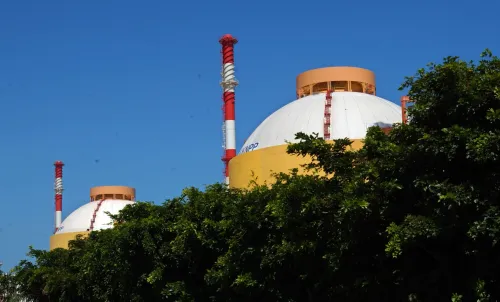
Units 1 and 2 are operational since 2013 and 2015 ; Units 3 and 4 are under advanced construction.
All six units together will generate 6,000 MW(e) , making Kudankulam one of India's largest nuclear power hubs.
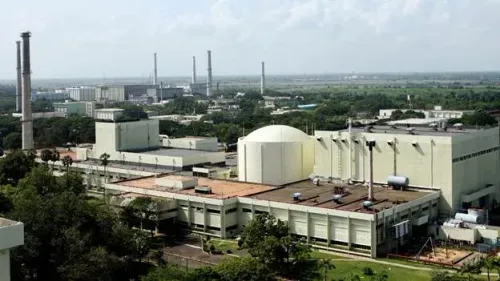
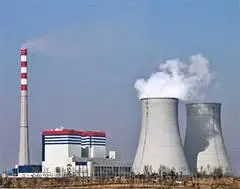
The Atomic Energy Regulatory Board (AERB) has granted permission for the installation of major equipment at Units 5 and 6 of the Kudankulam Nuclear Power Plant (KKNPP) in Tirunelveli district, Tamil Nadu, marking a significant milestone in India's nuclear power expansion programme, officials said. The clearance enables the Nuclear Power Corporation of India Limited (NPCIL) to begin erecting critical plant components, transitioning the project from the civil construction phase to a crucial stage of plant development.
What the AERB Approval Covers
The regulatory nod allows NPCIL to proceed with the installation of the reactor pressure vessel, steam generators, coolant pumps, and associated systems at the twin units. This approval follows a detailed multi-tier safety review by AERB, which assessed the design of Units 5 and 6 against its stringent safety requirements and evaluated civil construction progress carried out under the earlier
Point of View
But the deeper story is about pace. India has set ambitious nuclear capacity targets, yet the gap between sanction and commissioning at Kudankulam has historically stretched well beyond initial projections — Units 3 and 4, for instance, remain under construction years after their original timelines. The shift from civil construction to equipment installation is a genuine inflection point, but the real test will be whether NPCIL can compress the remaining schedule without compromising the very safety standards AERB enforces. With India's 2030 clean energy commitments looming, nuclear's role as a baseload anchor depends on projects like Kudankulam delivering on time, not just on paper.
NationPress
2 Oct 2026
Frequently Asked Questions
What has AERB approved for Kudankulam Nuclear Power Plant?
AERB has granted permission for the installation of major equipment — including the reactor pressure vessel, steam generators, coolant pumps, and associated systems — at Units 5 and 6 of the Kudankulam Nuclear Power Plant. This moves the project from the civil construction phase to a critical plant development stage.
What technology is used in Kudankulam Units 5 and 6?
Units 5 and 6 are based on advanced VVER pressurised water reactor technology, developed in collaboration with Russia. They incorporate enhanced passive safety systems and advanced containment mechanisms in line with AERB's Safety Code for Light Water Reactor-based nuclear power plants.
What is the current status of all six Kudankulam units?
Units 1 and 2 have been operational since 2013 and 2015, respectively, supplying power to the southern grid. Units 3 and 4 are in advanced stages of construction, while Units 5 and 6 have now received AERB clearance for major equipment installation.
Why is the Kudankulam project significant for India's energy goals?
Once all six units are commissioned, the Kudankulam complex will generate 6,000 MW(e) of nuclear power, making it one of India's largest clean energy sources. It supports India's goal of achieving 500 GW of non-fossil fuel capacity by 2030 and reduces dependence on coal and other fossil fuels.
What was the First Pour of Concrete permission granted in April 2021?
The First Pour of Concrete permission, granted by AERB in April 2021, authorised the commencement of civil construction at Units 5 and 6. The latest equipment installation clearance follows a safety review of that civil construction phase and confirms that prescribed benchmarks have been met.