ISI recruits Indian content creators in digital infiltration campaign: Intelligence
Synopsis
Pakistan's ISI, stymied by heavy losses to its physical terror network in Jammu and Kashmir, has pivoted to a new front: recruiting unemployed Indian youth as paid content creators to flood domestic social media with divisive narratives. The monthly pay of ₹20,000–₹30,000 and seemingly harmless briefs are by design — the real weapon is volume, not violence.
Key Takeaways
The ISI has launched a digital infiltration campaign targeting unemployed Indian youth with monthly pay of ₹20,000–₹30,000 .
Recruits are briefed to create high-quality, seemingly legitimate content amplifying domestic controversies in India .
Workers are instructed to operate individually to avoid detection; content avoids explicit violence or religious extremism.
The strategy follows a period of heavy losses to Pakistan -backed terror infrastructure in Jammu and Kashmir .
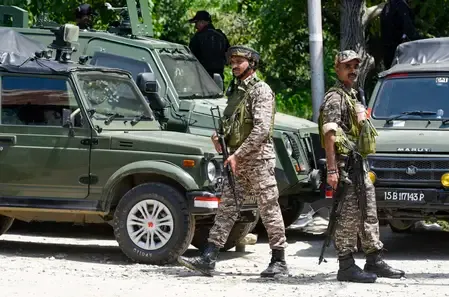
Security forces killed two terrorists at Majalta, Udhampur on Wednesday , and earlier busted an overground worker network in the Pir Panjal region.
Officials warn the threat lies in the volume of content rather than individual pieces, designed to skew perceptions of India at scale.
Pakistan's Inter-Services Intelligence (ISI) has launched a large-scale digital infiltration campaign targeting unemployed Indian youth, offering monthly salaries of ₹20,000 to ₹30,000 to recruit content creators who can flood Indian social media with divisive narratives, according to intelligence officials. The development comes as Indian security forces have simultaneously intensified counter-terror operations across Jammu and Kashmir, significantly degrading physical terror infrastructure.
The Digital Network Taking Shape
According to an Intelligence Bureau official, Pakistan has been attempting to re-activate terror networks in the Valley while facilitating large-scale infiltrations — but a consistently low success rate has pushed the ISI to pivot toward a digital strategy. The new approach is designed to build a structured network that evades detection by security agencies.
Recruits are being sourced from among unemployed Indian youth who demonstrate aptitude in digital content creation and vlogging. In the first phase, Pakistani handlers reportedly placed normal advertisements on social media platforms inviting online applications. A small initial cohort was recruited and tasked with identifying and onboarding further participants.
The Brief: High-Quality, Seemingly Normal Content
'The content needs to look professional, and strong points must be added to back their case. Most of the time such content could look like a normal discourse against the Indian system. However, as the reach grows, the content would get more aggressive,' an official said.
Recruits are instructed to work individually rather than in teams — a deliberate structure designed to minimise the risk of detection. Unlike earlier ISI-linked propaganda, the new content reportedly steers clear of explicit calls for violence or religious extremism, which are more readily flagged and removed from platforms following government appeals. Instead, handlers are said to focus on amplifying existing domestic controversies and reviving issues that have previously died down in public discourse.
'The intention is to pick issues that have created a controversy in the country and then keep amplifying the same,' an official added. Content relating to India's security and political discourse is reportedly among the primary categories targeted.
The Parallel Security Crackdown on the Ground
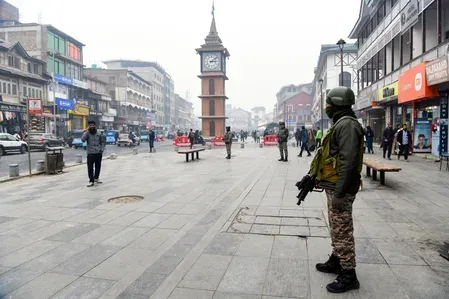
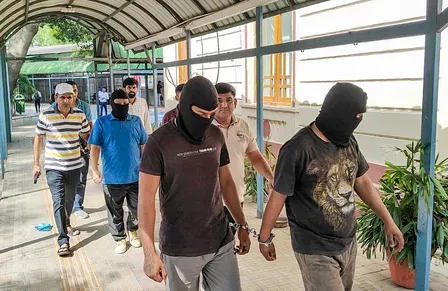
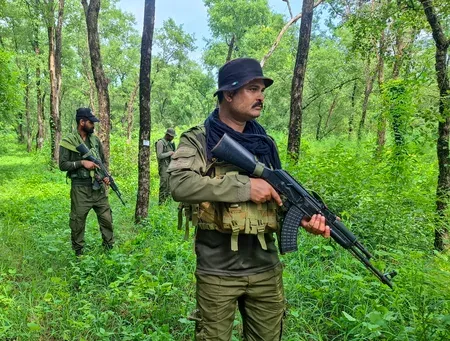
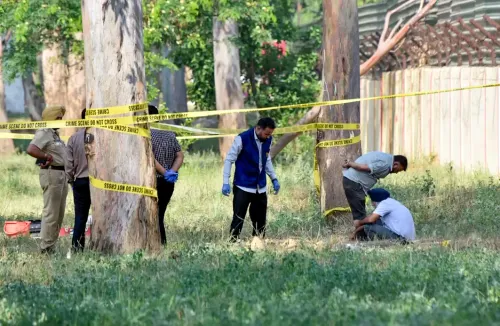
The digital campaign is unfolding against a backdrop of intensified kinetic operations. In the most recent action, conducted on Wednesday, security forces killed two terrorists at Majalta in Udhampur district of Jammu and Kashmir. This followed the busting of an overground worker (OGW) network in the Pir Panjal region, further denting Pakistan-backed terror infrastructure in the state.
Officials say the combination of degraded physical infiltration routes and heightened surveillance has likely contributed to the ISI's strategic shift toward a lower-risk, harder-to-attribute digital operation.
Why the Scale of Content Is the Real Threat
Officials stress that the concern is not the individual pieces of content — which may appear innocuous — but the sheer volume at which they are intended to be produced and circulated. 'If these persons flood the internet with such content, it gives everyone the impression that there are only problems plaguing the country and nothing is moving forward,' an official said. The broader objective, according to intelligence inputs, is to control the domestic narrative from within, using Indian voices as proxies to lend credibility to the messaging.
This, officials say, is a long-term play — not a single influence operation, but a sustained infrastructure designed to shape public perception over months and years. Security agencies are now working to identify and dismantle the nascent network before it reaches scale.
Point of View
Shift to the information domain where attribution is harder and the foot soldiers are easier to recruit. What makes this particular operation insidious is the plausible deniability baked into the model — content that 'looks like normal discourse' is designed to survive platform moderation and evade legal thresholds. India's counter-influence architecture, built largely around detecting overt propaganda, may not be calibrated for high-volume, low-intensity narrative operations of this kind. The recruitment mechanism — open social media advertisements targeting the unemployed — also points to a structural vulnerability: economic precarity is being weaponised as a national security risk.
NationPress
17 Sept 2026
Frequently Asked Questions
What is the ISI's new digital infiltration campaign in India?
According to intelligence officials, Pakistan's ISI is recruiting unemployed Indian youth with skills in digital content creation, paying them ₹20,000–₹30,000 per month to produce and circulate content that amplifies domestic controversies and divisive narratives. The campaign is designed to look organic and avoid detection by security agencies.
How are recruits being identified and onboarded?
In the first phase, Pakistani handlers reportedly placed advertisements on social media platforms soliciting applications online. An initial cohort was then tasked with identifying and recruiting additional participants, creating a decentralised, cell-based structure where individuals work alone rather than in teams.
Why has Pakistan shifted from physical infiltration to a digital strategy?
Intelligence inputs suggest that Indian security forces have significantly degraded Pakistan-backed terror infrastructure in Jammu and Kashmir, keeping the success rate of physical infiltration attempts low. The ISI has reportedly responded by pivoting to a lower-risk digital operation that is harder to attribute and disrupt.
What kind of content are these recruits being asked to create?
Recruits are briefed to produce professional-looking content that amplifies existing domestic controversies, revives dormant political or security debates, and avoids explicit calls for violence or religious extremism — the latter are more easily flagged and removed by platforms. The aim, according to officials, is to shape the broader narrative over the long term.
What action has India taken against terror activity in Jammu and Kashmir recently?
Security forces killed two terrorists at Majalta in Udhampur district on Wednesday, and also busted an overground worker network in the Pir Panjal region in a recent operation. Officials say these successes on the ground have contributed to Pakistan's strategic pivot toward digital influence operations.