Ahmedabad Central Jail signs NIOS MoU for inmate education up to Class 12
Synopsis
Gujarat's Ahmedabad Central Jail has partnered with NIOS to let inmates complete schooling up to Class 12 and earn vocational qualifications — while a parallel 'Ek Nai Umeed' ceremony honoured 18 children of prisoners for academic excellence. It is one of the few formal open-schooling tie-ups in Indian corrections, and a signal that Gujarat is betting on education as its primary rehabilitation tool.
Key Takeaways
Ahmedabad Central Jail signed an MoU with NIOS on 12 June to provide education up to Class 12 for inmates.
NIOS will also offer vocational and skill-based courses to improve inmate employability post-release.
The programme is led by Dr.
Rao , DGP and Head of the Gujarat State Prisons and Correctional Administration Department .
Under the 'Ek Nai Umeed' initiative, 18 meritorious students — children of Gujarat prison inmates — were felicitated with cash awards and certificates for their 2026 exam results.
The initiative positions Gujarat's correctional facilities as centres of learning and social rehabilitation.
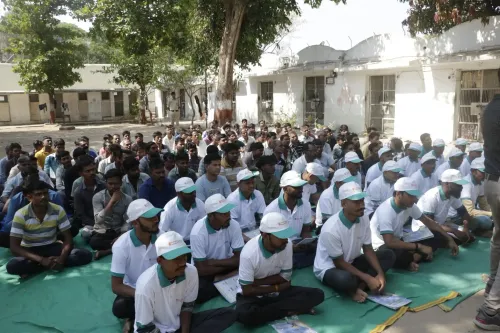
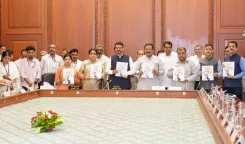
Ahmedabad Central Jail has signed a Memorandum of Understanding (MoU) with the National Institute of Open Schooling (NIOS), enabling prison inmates to pursue formal education up to Class 12 while serving their sentences. The initiative, announced on 12 June, is part of a broader push by the Gujarat State Prisons and Correctional Administration Department to transform correctional facilities into centres of learning and rehabilitation.
What the MoU Covers
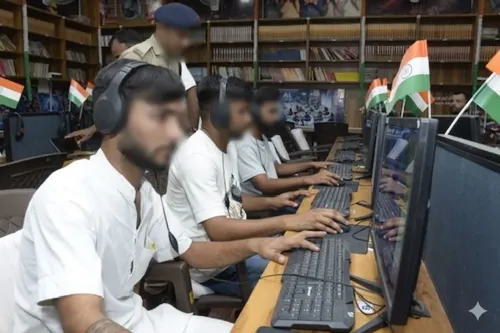
Under the agreement, inmates whose education was interrupted — for any reason — will be able to re-enrol at the appropriate academic level and complete their schooling through NIOS, a recognised open-learning institution. Beyond academics, NIOS will also roll out a range of vocational and skill-based courses designed to equip inmates with practical, market-relevant qualifications. The aim is to improve their employability and ease their reintegration into society after release.
Leadership and Vision
The programme is being spearheaded by Dr. K.L.N. Rao, Director General of Police (DGP) and Head of the Gujarat State Prisons and Correctional Administration Department. Dr. Rao has emphasised that correctional institutions must function as spaces for self-improvement and social inclusion, not merely confinement. The initiative has drawn appreciation from education and social welfare circles for its focus on second chances and long-term reintegration.
'Ek Nai Umeed': Recognising the Children of Inmates
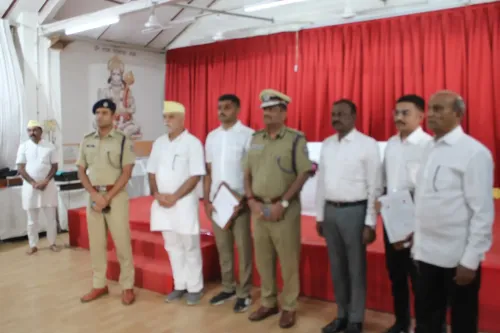
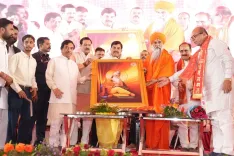
Alongside the NIOS partnership, a felicitation ceremony was held at Ahmedabad Central Jail under the 'Ek Nai Umeed' (A New Hope) initiative. A total of 18 meritorious students — children of inmates lodged across various prisons in Gujarat — who cleared their Class 10, Class 12, and higher education examinations in 2026 were honoured at the event. The students attended alongside their family members and received cash awards and certificates of appreciation from Dr. K.L.N. Rao.
Addressing the gathering, Dr. Rao encouraged the students to continue striving for excellence and underscored the transformative power of education. He also interacted with inmates and their families, explaining the objectives of the 'Ek Nai Umeed' initiative and reaffirming the department's commitment to supporting educational opportunities for both inmates and their children.
Broader Context: Prison Reform in India
This initiative comes amid growing national discourse on prison reform, with courts and civil society organisations repeatedly flagging the need for rehabilitation-focused correctional policy. Gujarat's MoU with NIOS reflects a shift from punitive to restorative models of incarceration — a direction that criminologists and policy experts have long advocated. Notably, open schooling partnerships with prisons remain relatively rare across Indian states, making this a model that other correctional administrations may look to replicate.
The next steps include operationalising the vocational course curriculum and expanding the 'Ek Nai Umeed' programme to cover more families across Gujarat's prison network.
Point of View
But their consistent implementation across India has been patchy at best. Gujarat's structured MoU — with vocational qualifications attached — goes a step further than most state-level efforts, which typically stop at literacy drives. The 'Ek Nai Umeed' component is equally significant: recognising the children of inmates publicly challenges the social stigma that often traps entire families. The real test will be scale and follow-through — whether vocational certificates translate into actual employment, and whether the programme survives beyond the current departmental leadership.
NationPress
26 Oct 2026
Frequently Asked Questions
What is the NIOS MoU signed by Ahmedabad Central Jail?
Ahmedabad Central Jail has signed a Memorandum of Understanding with the National Institute of Open Schooling (NIOS) to allow prison inmates to complete formal education up to Class 12 and pursue vocational courses while serving their sentences. The agreement aims to improve inmates' employability and support their reintegration after release.
What is the 'Ek Nai Umeed' initiative in Gujarat prisons?
'Ek Nai Umeed' (A New Hope) is a Gujarat State Prisons Department initiative that recognises and supports the children of prison inmates. In 2026, 18 meritorious students from inmates' families who cleared Class 10, Class 12, and higher education exams were felicitated with cash awards and certificates at Ahmedabad Central Jail.
Who is leading Gujarat's prison education reform?
The programme is spearheaded by Dr. K.L.N. Rao, DGP and Head of the Gujarat State Prisons and Correctional Administration Department. He has championed the vision of transforming correctional institutions into centres of learning and social rehabilitation.
What vocational courses will NIOS offer to jail inmates?
NIOS will introduce a range of skill-based and vocational courses for inmates, providing them with practical skills and recognised qualifications. Specific course titles have not yet been detailed publicly, but the programmes are designed to enhance employability and ease reintegration into society after release.
Why does this prison-NIOS partnership matter for India?
Formal open-schooling tie-ups with prisons remain relatively uncommon across Indian states, making Gujarat's MoU a potential model for national replication. It reflects a broader shift in correctional policy from purely punitive approaches toward rehabilitation-focused frameworks that courts and civil society have long called for.