AIADMK's north TN wins driven by PMK alliance, not party strength: C.V. Shanmugam
Synopsis
A senior AIADMK leader has put numbers to the party's internal fault lines: 31 of its 47 Assembly wins in northern Tamil Nadu were, by his count, delivered by the PMK — not AIADMK's own machinery. The claim strikes at the heart of Edappadi Palaniswami's narrative of organisational strength, and the warning of a dissident breakaway is now on the record.
Key Takeaways
Shanmugam claimed on 15 June that 31 of AIADMK's 47 Assembly wins in northern Tamil Nadu were enabled by the PMK alliance , not the party's own base.
He alleged that even Edappadi K.
Palaniswami's home constituency of Edappadi would have been at risk without PMK support.
Key districts cited as PMK-dependent include Villupuram , Cuddalore , Vellore , Dharmapuri , and Ariyalur .
Shanmugam accused the leadership of operating autocratically, driven by personal interests and family influence, while cadres continue to leave.
Jayalalithaa's post-1996 alliance rebuilding as a model, urging Palaniswami to convene the Executive Committee or General Council immediately.
Dissidents warn they may chart an independent course if no corrective action is taken in the coming period.
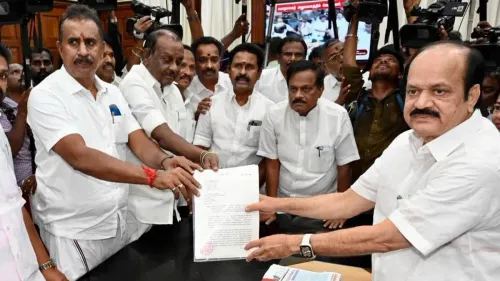
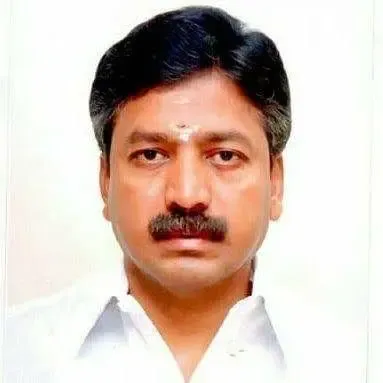
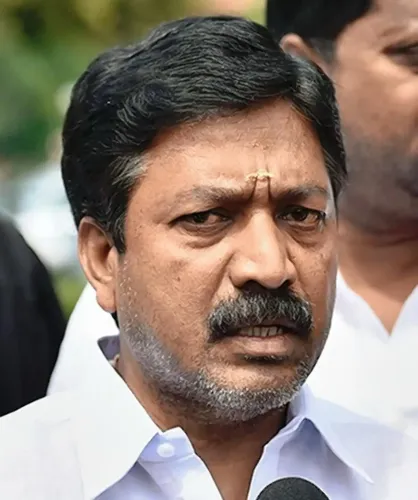
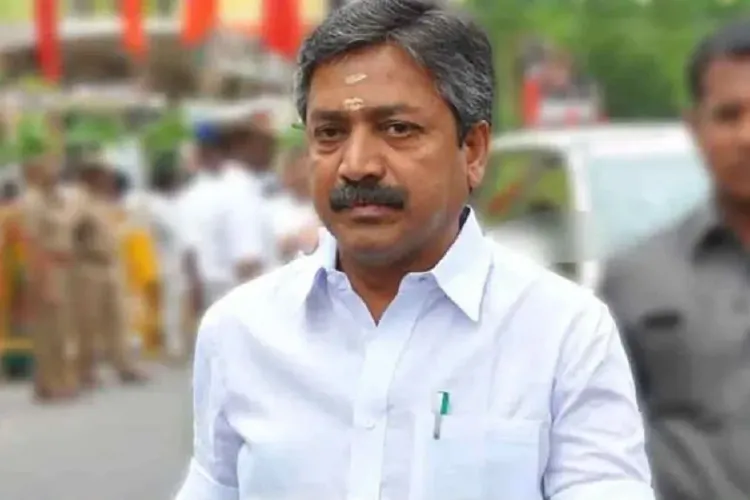
Senior All India Anna Dravida Munnetra Kazhagam (AIADMK) leader C.V. Shanmugam on 15 June claimed that the party's electoral gains in northern Tamil Nadu were primarily the result of its alliance with the Pattali Makkal Katchi (PMK) rather than any inherent organisational strength. Speaking to reporters in Tindivanam, Shanmugam directed pointed criticism at party General Secretary Edappadi K. Palaniswami (EPS), accusing the leadership of misreading the reasons behind its recent electoral performance.
The Alliance Arithmetic
Shanmugam argued that of the 47 Assembly constituencies won by the AIADMK, as many as 31 victories were effectively delivered by the PMK's support base. He maintained that the party would have faced significant setbacks in key northern districts — including Villupuram, Cuddalore, Kallakurichi, Tiruvannamalai, Vellore, Dharmapuri, and Ariyalur — without the backing of PMK President Anbumani Ramadoss.
He went further, alleging that even Palaniswami's own Assembly constituency of Edappadi would have been difficult to hold without the alliance's combined strength. "If not for the PMK alliance, the AIADMK would have suffered major defeats across northern Tamil Nadu," Shanmugam said.
Charges of Autocracy and Insulation
Beyond electoral arithmetic, Shanmugam levelled broader charges against the current party leadership. He alleged that the AIADMK was functioning in an increasingly autocratic manner, driven by what he described as personal interests, family influence, and financial considerations. He claimed a small circle of loyalists had insulated the top leadership from ground realities, even as cadres and second-rung leaders continued to exit the party.
Shanmugam also expressed concern over the erosion of the ideological identity of the party founded by former Chief Minister M.G. Ramachandran (MGR). He accused the present leadership of branding dissatisfied workers as traitors — drawing a parallel with MGR's own expulsion from the Dravida Munnetra Kazhagam (DMK) decades ago, and questioning whether political opponents labelling someone a traitor made it so.
The Jayalalithaa Contrast
Invoking the legacy of former Chief Minister J. Jayalalithaa, Shanmugam noted that she had publicly accepted responsibility for the AIADMK's defeat in the 1996 Assembly elections and subsequently rebuilt alliances — including with the PMK, Marumalarchi Dravida Munnetra Kazhagam (MDMK), and Tamil Maanila Congress — to secure victory in the 1998 Lok Sabha polls. He held this up as a model of accountable leadership that he argued is absent today.
Call for Internal Review
Shanmugam urged Palaniswami to immediately convene the party's Executive Committee or General Council to conduct a structured review of the recent election results. He warned that senior leaders, who had reportedly accepted every major decision taken over the past eight years despite reservations, could be forced to chart an independent course if corrective measures were not taken. The remarks signal deepening fault lines within the AIADMK ahead of the next electoral cycle in Tamil Nadu.
Point of View
They expose a structural dependency on alliance partners that the leadership has little incentive to acknowledge publicly. The invocation of Jayalalithaa's 1996 accountability moment is politically loaded: it frames EPS not as her heir but as the antithesis of her crisis management. The real question is whether this dissent crystallises into an organised faction or dissipates as it has before — AIADMK's history is littered with warnings that never became ruptures.
NationPress
25 Sept 2026
Frequently Asked Questions
What did C.V. Shanmugam claim about AIADMK's wins in northern Tamil Nadu?
Shanmugam claimed that 31 of the AIADMK's 47 Assembly constituency wins in northern Tamil Nadu were made possible by the PMK's support base, not the party's own organisational strength. He made these remarks in Tindivanam on 15 June.
Which districts did Shanmugam say AIADMK could not have won without the PMK?
He cited Villupuram, Cuddalore, Kallakurichi, Tiruvannamalai, Vellore, Dharmapuri, and Ariyalur as districts where the AIADMK would have struggled without the PMK alliance led by Anbumani Ramadoss.
What action did Shanmugam demand from Edappadi Palaniswami?
Shanmugam urged Palaniswami to immediately convene the AIADMK's Executive Committee or General Council to review the recent election results. He warned that continued inaction could push dissident leaders to act independently.
How did Shanmugam use Jayalalithaa's legacy in his criticism?
He pointed to Jayalalithaa accepting responsibility for the AIADMK's 1996 Assembly defeat and rebuilding alliances with PMK, MDMK, and Tamil Maanila Congress to win the 1998 Lok Sabha polls — contrasting that accountability with what he described as the current leadership's refusal to acknowledge electoral realities.
What broader concerns did Shanmugam raise about the party's internal functioning?
He alleged the AIADMK was functioning autocratically under personal, family, and financial influences, with a small loyalist circle insulating the leadership from ground realities. He also warned that the party's ideological identity, rooted in MGR's founding vision, was being eroded.