Delhi heatwave: AIIMS doctors warn of rising dehydration and heat stroke cases
Synopsis
AIIMS Delhi physicians are sounding the alarm as the capital's heatwave drives a surge in dehydration and heat stroke admissions. Their core message: plain water isn't enough — ORS and electrolytes are essential, and the elderly, children, and those with chronic illness face the highest risk of rapid escalation to dangerous heat stroke.
Key Takeaways
AIIMS Delhi doctors issued a public health advisory on 21 May as the heatwave drives a rise in dehydration and heat stroke cases.
Dr Piyush Ranjan warned that dehydration can escalate to heat stroke ('loo lagna') , potentially causing unconsciousness.
Doctors advise avoiding outdoor exposure between 11 a.m. and 4–5 p.m. and wearing full-sleeved, head-covering clothing when outside.
Dr Neeraj Nishchal stressed that plain water is insufficient — ORS solutions or electrolytes are needed to replace salts lost through sweating.
Traditional drinks such as Bel ka Sharbat , shikanji , and lentil water are recommended as supplementary hydration options.
Most at risk: elderly people , children , pregnant women , and those with diabetes or heart disease .
Doctors at the All India Institute of Medical Sciences (AIIMS), New Delhi have urged the public to take immediate precautions against heat-related illnesses as a severe heatwave continues to grip the capital and several other parts of the country. The advisory, issued on 21 May, comes as hospitals report a sharp uptick in cases of dehydration, heat stroke, and related conditions.
What Doctors Are Seeing
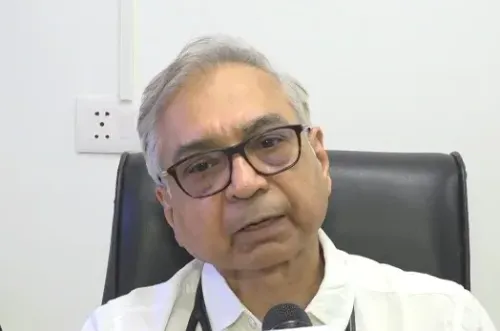
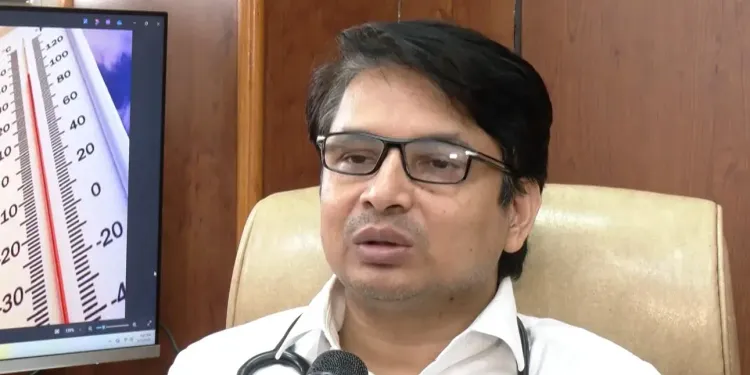
Dr Neeraj Nishchal, Professor in the Department of Medicine at AIIMS Delhi, said hospitals are witnessing a growing number of heatwave-related health complaints. The most commonly reported symptoms include dehydration, weakness, dizziness, headaches, excessive sweating, vomiting, and low blood pressure.
'In severe cases, heat stroke is being reported, where the body temperature rises dangerously high. Patients may suffer from high fever, unconsciousness, confusion, and sometimes even seizures,' Dr Nishchal said.
He identified the most vulnerable groups as elderly people, children, pregnant women, and individuals with chronic conditions such as diabetes or heart disease.
The Dehydration-to-Heat Stroke Progression
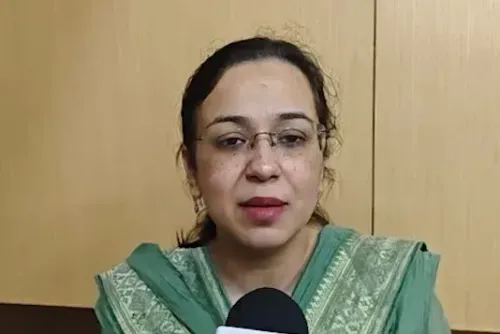
Dr Piyush Ranjan, Additional Professor in the Department of Medicine at AIIMS Delhi, explained that heat-related illness follows a clear escalation. 'Whenever the temperature rises, health problems related to heat begin to appear. The first and mildest condition is dehydration, in which the body loses water and salts,' he said.
Dr Ranjan warned that untreated dehydration can progress to heat stroke — commonly known as 'loo lagna' — and in severe cases, patients may lose consciousness entirely. This clinical pattern, doctors note, becomes pronounced when daytime temperatures sustain above 40°C for consecutive days, as has been the case across Delhi and parts of Rajasthan, Uttar Pradesh, and Haryana this season.
Key Precautions Advised
Dr Ranjan advised people to avoid stepping outdoors during peak afternoon hours. 'As far as possible, people should avoid going outdoors between 11 a.m. and 4–5 p.m., when temperatures are at their peak,' he said.
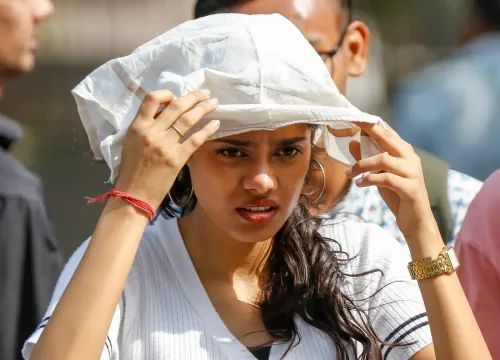
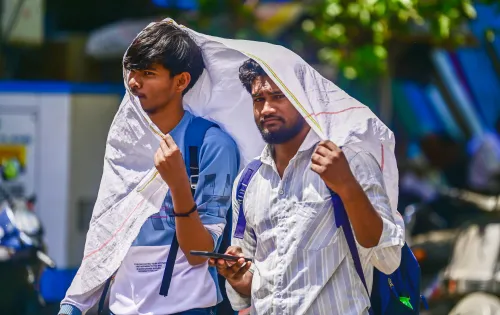
If venturing outside is unavoidable, he recommended wearing full-sleeved clothes, full-length trousers, and keeping the head covered with caps, scarves, or turbans. Use of umbrellas was also advised.
On hydration, Dr Ranjan stressed that preparation must begin before leaving home. 'People should drink sufficient water before stepping outside. Ideally, one or two litres of water should be consumed before leaving home. While outdoors, people should also consume electrolytes or ORS to maintain the balance of water and salts in the body and prevent dehydration,' he said.
Why Plain Water Is Not Enough
Dr Nishchal cautioned that plain water alone is insufficient during extreme heat. 'During extreme heat, the body loses not just water but also salt through sweating. Therefore, ORS solutions or electrolytes are considered more beneficial,' he said.
He also recommended traditional hydrating preparations — including Bel ka Sharbat, shikanji, and lentil water — as effective, accessible options for maintaining electrolyte balance during the heatwave. These home remedies, long used across North India during summer, are now being formally endorsed by AIIMS physicians as supplementary to ORS.
What to Watch For
With temperatures forecast to remain elevated across northern India through the coming week, public health officials are expected to issue further advisories. The AIIMS guidance underscores that early intervention — recognising dehydration before it escalates — remains the most effective line of defence against heat-related fatalities this season.
Point of View
And ORS availability in low-income neighbourhoods remains patchy. The doctors' endorsement of traditional drinks like Bel ka Sharbat is a pragmatic concession to ground realities, but it also highlights how far India still is from a systematic, government-funded heat action plan comparable to what Ahmedabad pioneered after the 2010 heatwave. With climate projections pointing to longer and more intense heat seasons, a reactive advisory model is no longer sufficient.
NationPress
26 Sept 2026
Frequently Asked Questions
What are the early signs of heat stroke to watch for during the Delhi heatwave?
Early warning signs include dehydration, weakness, dizziness, headaches, and excessive sweating, according to AIIMS doctors. If untreated, these can progress to high fever, vomiting, low blood pressure, confusion, unconsciousness, or seizures — the hallmarks of full heat stroke.
Why is ORS recommended over plain water during a heatwave?
During extreme heat, the body loses both water and salts through sweating, and plain water does not replenish the salt deficit. AIIMS Professor Dr Neeraj Nishchal says ORS solutions and electrolytes restore the body's water-salt balance more effectively than water alone.
What hours should people avoid going outdoors during the heatwave?
AIIMS doctors advise avoiding outdoor exposure between 11 a.m. and 4–5 p.m., when temperatures are at their peak. If going out is unavoidable, full-sleeved clothing, head coverings, and umbrellas are recommended.
Who is most at risk from heatwave-related illness?
According to Dr Nishchal, the most vulnerable groups are elderly people, children, pregnant women, and individuals with chronic conditions such as diabetes or heart disease. These groups are advised to take extra precautions and limit outdoor exposure.
What traditional drinks can help with hydration during the heatwave?
AIIMS doctors have recommended Bel ka Sharbat, shikanji, and lentil water as traditional, accessible options to help maintain hydration and electrolyte balance during the heatwave, alongside ORS solutions.