Are Cold Waves and Pollution Increasing Heart and Respiratory Diseases in Delhi?
Synopsis
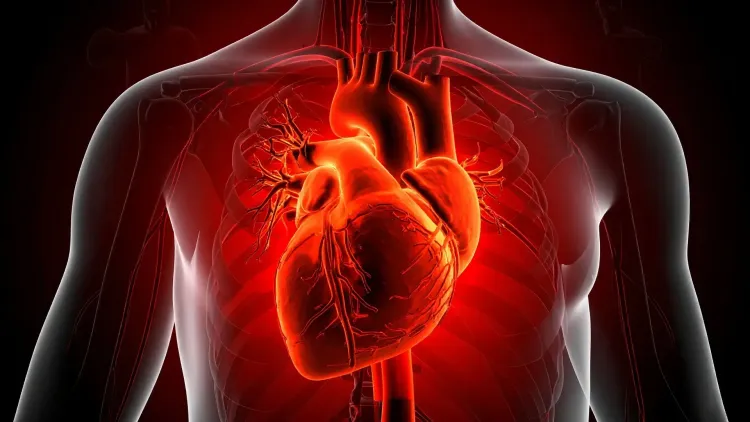
Recent health reports indicate that the combination of cold waves and pollution in Delhi is significantly impacting heart and respiratory health. Experts at AIIMS provide crucial advice on managing these risks, especially for vulnerable populations. Discover essential precautions to take during this challenging season.
Key Takeaways
Cold temperatures and pollution are contributing to higher rates of heart and respiratory diseases in Delhi.
Regularly monitor blood pressure , particularly during winter months.
Avoid outdoor activities during peak cold hours, especially for the elderly.
Stay informed about the symptoms of COPD exacerbations.
Protect young children from cold exposure with appropriate clothing.
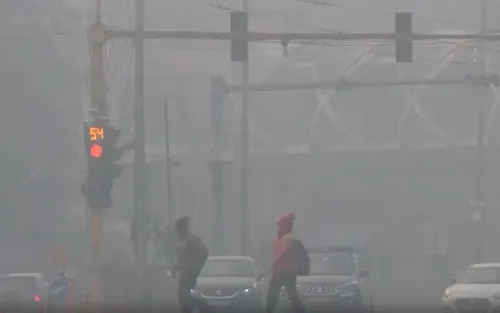
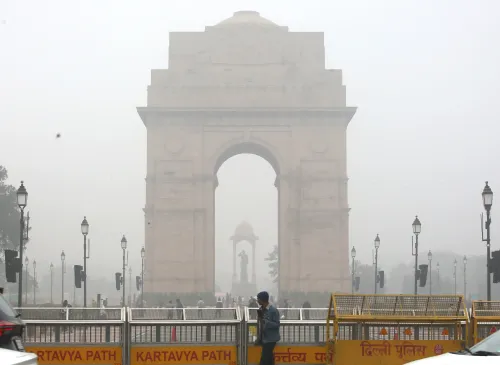
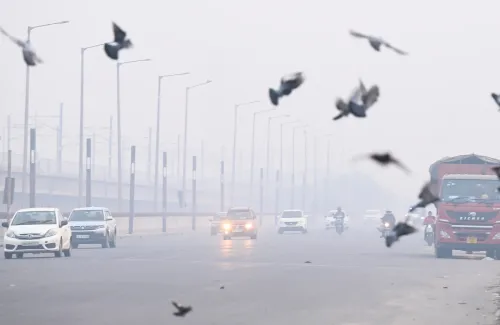
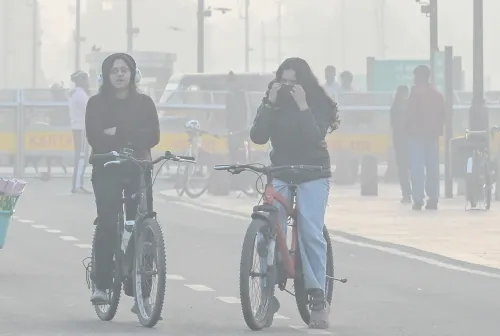
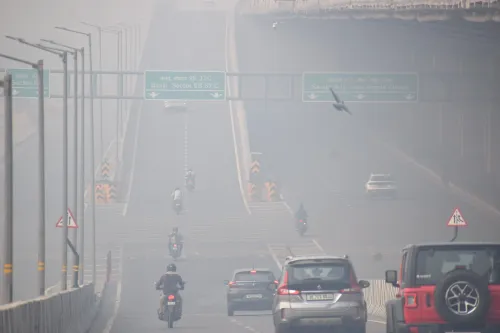
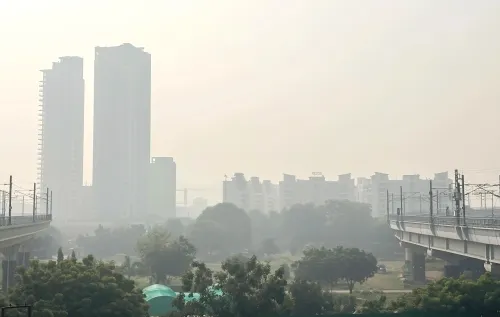
New Delhi, Jan 13 (NationPress) Cold waves accompanied by plummeting temperatures and severe air pollution are causing a significant uptick in heart and respiratory conditions in the national capital, as reported by health professionals at the All India Institute of Medical Sciences (AIIMS), Delhi.
The experts emphasized the importance of taking necessary precautions, particularly for individuals with various comorbidities and those at extremes of age, as well as general health management during these challenging times.
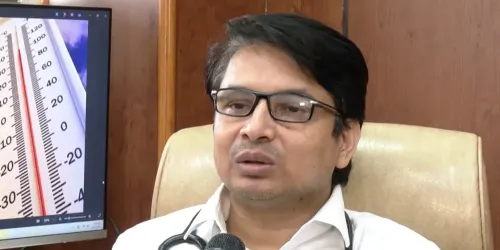
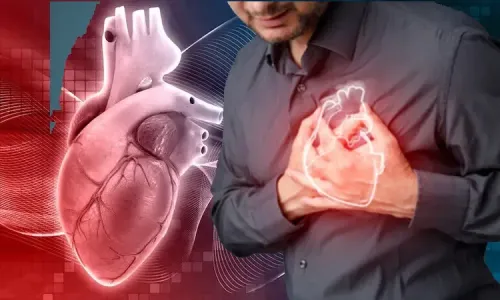
Prof. Rajiv Narang, Head of the Department of Cardiology at AIIMS, elaborated on managing conditions such as coronary artery disease and cardiovascular issues during the severe cold, primarily caused by diminished blood supply to the heart muscle.
“The cold weather has raised significant health concerns. When it comes to heart disease, a couple of critical aspects should be prioritized. Notably, winter often leads to elevated blood pressure,” Narang informed IANS.
“Many patients who previously managed their blood pressure effectively are now reporting increases. It's advisable to have a blood pressure monitor at home and check your BP at least twice weekly. These monitors are now budget-friendly and user-friendly. If your BP exceeds 140/90 mmHg, it’s crucial to consult your doctor,” he advised, while also stressing on the importance of a balanced diet and adequate hydration.
He further cautioned against morning walks due to the extreme cold and rising pollution levels in the city.
“Maintaining body temperature is essential during the winter. Avoid venturing out early in the morning or late in the evening. Conduct daily activities, especially for seniors, during daytime hours, ideally post 11 a.m. when the sun is shining. Stay active, but prioritize safety,” shared Dr. Abhijith R. Rao from the Department of Geriatric Medicine at AIIMS.
Dr. Sanjeev Sinha, a Professor of Medicine at AIIMS, pointed out the heightened risk of respiratory diseases linked to the cold wave and pollution.
“Cold air exposure during a cold wave can trigger bronchospasm. Inhaling cold air through the nostrils can constrict the airways, leading to narrowing or blockage of the respiratory passages and difficulty breathing,” he explained.
He noted a rise in patients visiting AIIMS Delhi's OPD and emergency units due to COPD (Chronic Obstructive Pulmonary Disease), typically associated with a history of smoking or pollution, whether indoor or outdoor.
“Patients with COPD often present with symptoms like coughing, wheezing, and breathlessness. Many experience acute exacerbations of chronic bronchitis, particularly during colder weather. Increased exposure and reduced immunity can also lead some patients to develop pneumonia,” Sinha added.
He urged elderly individuals and those suffering from chronic bronchitis, emphysema, COPD, or asthma to take extra precautions during cold waves to safeguard their respiratory health.
Pediatrician Prof. Rakesh Lodha accentuated the necessity of monitoring children’s health and well-being this winter.
“Young children are especially susceptible to issues arising from cold exposure. To shield them, they should be dressed warmly and adequately covered, including wearing a cap. Scarves or handkerchiefs can also help minimize exposure,” he advised IANS.
Point of View
We must stress the urgency of addressing the rising health concerns attributed to cold waves and pollution in Delhi. The insights provided by AIIMS experts are not just informative but essential for public health awareness. It's crucial for our community to prioritize health and safety during these extreme conditions.
NationPress
28 Sept 2026
Frequently Asked Questions
What health risks are associated with cold waves in Delhi?
Cold waves in Delhi are linked to increased cases of heart diseases and respiratory conditions, particularly among vulnerable populations.
How can I manage my blood pressure during winter?
It's advisable to monitor your blood pressure regularly, maintain a healthy diet, and consult a doctor if readings exceed 140/90 mmHg.
What precautions should the elderly take during cold waves?
Elderly individuals should avoid outdoor activities during extreme cold, stay warm, and engage in activities during the daytime.
What are the symptoms of COPD exacerbations?
COPD exacerbations can present with symptoms like coughing, wheezing, breathlessness, and increased respiratory distress.
How should children be protected from cold exposure?
Children should wear warm clothing, including caps and scarves, to minimize exposure to cold air.