Can Air Pollution Heighten Anxiety and Trigger Panic Symptoms?
Synopsis
As air pollution continues to plague New Delhi, doctors warn of its severe impacts on mental health. Beyond physical ailments, the deteriorating air quality is linked to increased anxiety and panic-like symptoms, particularly among vulnerable populations. Understanding this connection is crucial in addressing both mental and physical well-being in polluted environments.
Key Takeaways
Air pollution significantly affects mental health.
Vulnerable populations include children, the elderly, and those with pre-existing conditions.
Monitoring AQI levels is crucial.
Use of masks and air purifiers can reduce exposure.
Regular indoor exercise and a healthy diet can mitigate some health impacts.
New Delhi, Dec 5 (NationPress) With the ongoing subpar air quality in the national capital, medical professionals highlighted on Friday that air pollution poses threats not only to respiratory health or heart conditions but can also amplify anxiety and evoke panic-like symptoms.
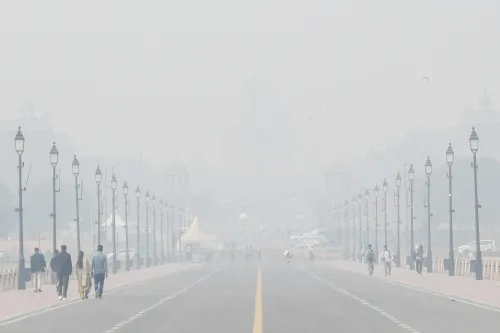
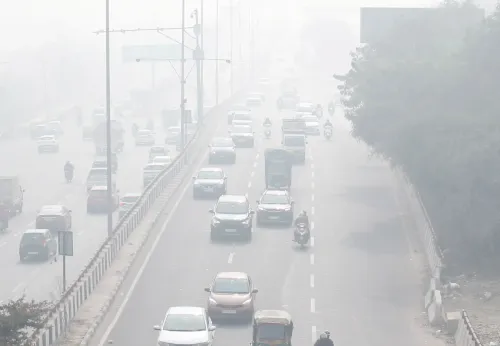
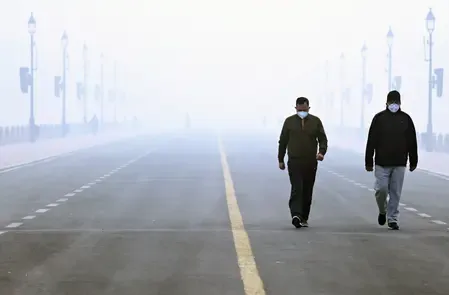
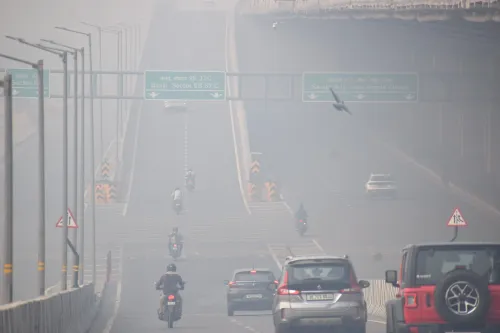
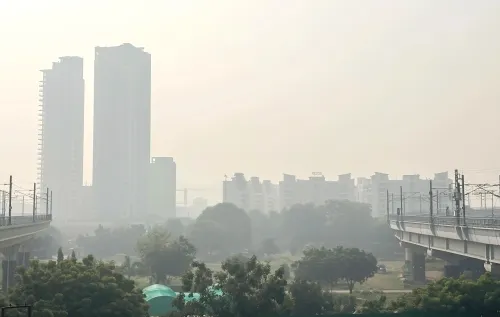
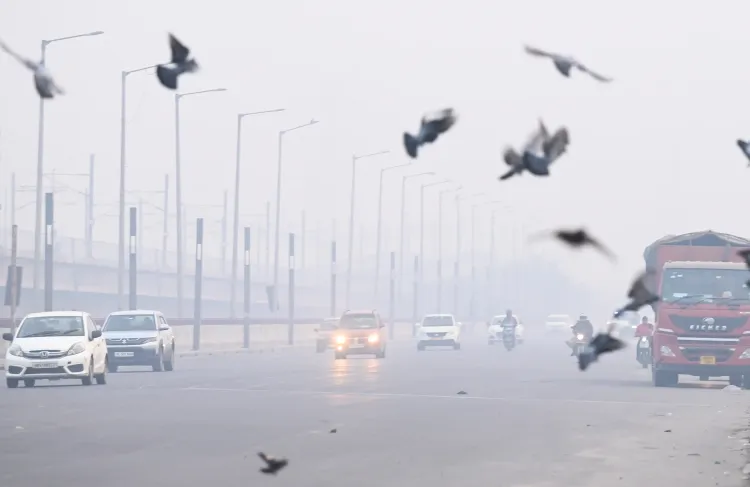
The Central Pollution Control Board (CPCB) indicated that Delhi's average Air Quality Index (AQI) was 323 as of 8 am on Friday, categorizing the city in the “very poor” bracket, as residents were greeted with a dense layer of haze.
“Pollution also has repercussions for mental health. As pollution levels rise, air quality declines, resulting in reduced oxygen availability. The brain relies on a sufficient supply of oxygen to operate effectively,” shared Dr. Nand Kumar, Professor at the Department of Psychiatry, AIIMS, with IANS.
“Oxygen is crucial for optimal brain function; without it, emotional disconnection can occur. Therefore, air pollution adversely affects mental health,” Kumar elaborated.
Air pollution is no longer simply an environmental or seasonal issue; it stands as a persistent threat to human life, particularly for vulnerable groups such as children, pregnant women, the elderly, and those with existing heart and lung ailments.
This raises significant concerns for individuals already dealing with chronic psychiatric disorders.
Dense smog, especially prevalent during early winter, can profoundly affect mental health.
“People with existing mood disorders or those sensitive to seasonal changes are especially at risk. Deteriorating air quality can lead to respiratory issues, abnormal breathing patterns, and feelings of breathlessness, which can escalate anxiety and panic-like reactions,” Dr. Astik Joshi, a psychiatrist specializing in children and adolescents at a local hospital, informed IANS.
Dr. Joshi added that prolonged exposure to smog may also correlate with Seasonal Affective Disorder (SAD), a mood disorder specific to winter characterized by low energy, irritability, and depressive symptoms.
Additionally, over 80 Padma awardee physicians from across India issued a remarkable joint advisory on Thursday, cautioning that India's air pollution crisis has evolved into a direct and ongoing threat to human life, with health consequences reaching critical levels.
According to data from 2025, approximately 1.7 million fatalities in India are attributed to air pollution each year. More than one-third of deaths from respiratory issues are linked to poor air quality, while around 40% of stroke-related deaths are due to pollution.
PM2.5 concentrations in North India often exceed the WHO’s safe limit by 20-40 times, with nearly 70% of the population now inhaling unsafe air. Toxic air also contributes to nearly 400,000 child deaths annually.
Long-term exposure to PM2.5 is associated with chromosomal damage, telomere shortening, and genetic instability, heightening the risks of cancer, metabolic issues, and serious long-term health problems, including worsening diabetes outcomes.
To mitigate these effects, it is advised to monitor AQI levels, wear masks outdoors, utilize air purifiers at home, ensure proper ventilation, and avoid outdoor activities during peak pollution times in the early morning or late evening.
“Engaging in regular indoor exercise, maintaining a nutrient-rich diet, and seeking timely psychiatric assistance can also help alleviate the mental health challenges linked to rising pollution levels,” Joshi concluded.
Point of View
I believe it's essential to highlight the multifaceted impact of air pollution on both physical and mental health. This issue transcends environmental concerns; it is a public health crisis that demands urgent attention from policymakers and communities alike to safeguard our vulnerable populations.
NationPress
28 Sept 2026
Frequently Asked Questions
How does air pollution affect mental health?
Air pollution can lead to reduced oxygen supply to the brain, causing emotional disconnection and heightening anxiety and panic symptoms.
Who is most vulnerable to the effects of air pollution?
Children, pregnant women, the elderly, and individuals with chronic health or psychiatric conditions are particularly at risk.
What can be done to mitigate the effects of air pollution?
Monitoring air quality, using masks outdoors, employing air purifiers, and maintaining good indoor ventilation are recommended to reduce exposure.
What is Seasonal Affective Disorder (SAD)?
SAD is a winter-specific mood disorder characterized by symptoms like low energy, irritability, and depression, which can be exacerbated by air pollution.
How many deaths are linked to air pollution in India?
Approximately 1.7 million deaths annually in India are attributed to air pollution, with significant impacts on respiratory and stroke-related mortality.