Why was Pakistan's Fakhar Zaman fined for dissenting an umpire’s decision?

Synopsis
In a recent incident during the Tri-Series final against Sri Lanka, Fakhar Zaman faced disciplinary action for showing dissent towards an umpire's decision. This article delves into the details surrounding his fine and the implications it carries for his playing record. Read on to discover more about this unexpected turn in the match.
Key Takeaways
Fakhar Zaman was fined for showing dissent to an umpire's decision.
A 10% match fee deduction was imposed.
This is Zaman's first offence resulting in a demerit point .
Pakistan successfully won the Tri-series following the incident.
Level 1 breaches include official reprimands and fines.
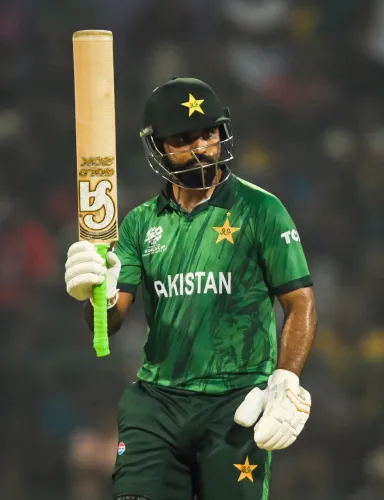
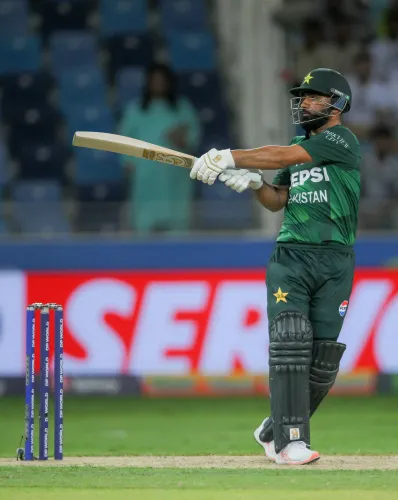
Dubai, Dec 5 (NationPress) Pakistan cricketer Fakhar Zaman has been penalized 10 percent of his match fee after being found in violation of Level 1 of the ICC Code of Conduct during the Tri-Series final against Sri Lanka on November 29, according to a statement from the International Cricket Council released on Friday.
Zaman breached Article 2.8 of the ICC Code of Conduct for Players and Player Support Personnel, which pertains to demonstrating dissent towards an umpire’s ruling during an international match.
The statement from the ICC noted, "One demerit point has been added to Zaman’s disciplinary record, as this was his first offence within a 24-month timeframe."
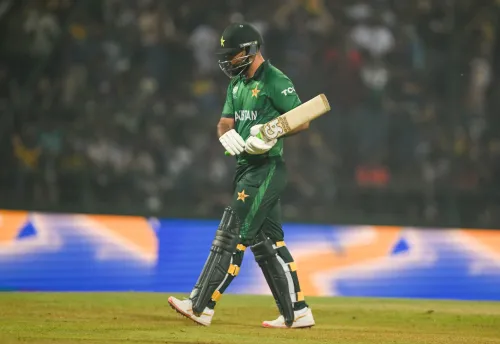
The incident took place in the 19th over of Pakistan’s innings, during which Zaman engaged in a lengthy discussion with on-field umpires concerning a decision that resulted in him losing his wicket.
Zaman acknowledged the offence and accepted the punishment suggested by Reon King, a member of the Emirates ICC International Panel of Match Referees, thus negating the need for a formal hearing.
The charge was brought forth by on-field umpires Ahsan Raza, Asif Yaqoob, third umpire Rashid Riaz, and fourth umpire Faisal Afridi.
Level 1 violations come with a minimum penalty of an official reprimand, a maximum fine of 50 percent of a player’s match fee, and one or two demerit points.
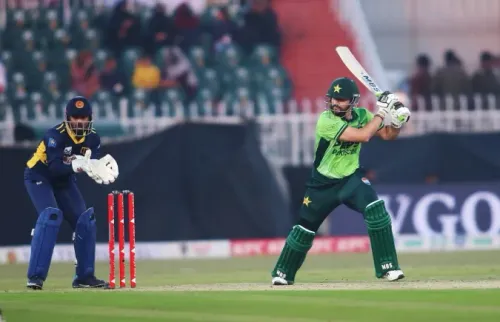
In the match, after Shaheen Afridi and Mohammad Nawaz claimed three wickets each to limit Sri Lanka to 114 runs, Babar Azam (37 not out) and Saim Ayub (36) led the successful chase, allowing Pakistan to secure a six-wicket victory and clinch the Tri-series.
This win marked a remarkable achievement for Pakistan, who have now triumphed in 21 out of 34 T20Is this year, their highest tally in a single calendar year.
Point of View
It's crucial to maintain a balanced perspective on events like these. While Fakhar Zaman's actions were in violation of cricket's Code of Conduct, it's also important to recognize the pressures players face in high-stakes matches. We stand with our athletes while advocating for adherence to the rules that govern the sport.
NationPress
24 Sept 2026
Frequently Asked Questions
What did Fakhar Zaman do to get fined?
Fakhar Zaman was fined for showing dissent towards an umpire's decision during the Tri-Series final against Sri Lanka.
How much was Fakhar Zaman fined?
He was fined 10% of his match fee.
What is the consequence of a Level 1 breach?
A Level 1 breach can result in a minimum penalty of an official reprimand, a fine of up to 50% of the match fee, and one or two demerit points.
Did Zaman accept the punishment?
Yes, Fakhar Zaman accepted the sanction proposed by the match referee without contesting it.
What impact did this incident have on Pakistan's match?
Despite Zaman's fine, Pakistan won the match against Sri Lanka, securing the Tri-series title.