Will the Cold Wave Intensify in Delhi-NCR While Air Quality Improves?
Synopsis
As winter sets in, Delhi and NCR brace for an intensifying cold wave. While the temperatures are expected to plunge, a welcome improvement in air quality has been observed. Discover how the city is navigating these challenging conditions.
Key Takeaways
Cold wave conditions expected to intensify in Delhi .
Air quality shows slight improvement.
Dense fog likely to affect visibility.
Travelers advised to check flight schedules.
Health precautions recommended during cold wave.
New Delhi, Jan 2 (NationPress) The winter chill in Delhi and its surrounding regions within the National Capital Region (NCR) is anticipated to escalate, as the meteorological department predicts a significant cold wave in the days ahead. Despite the forecasted drop in temperatures, the city observed a commendable enhancement in its air quality on Friday.
The India Meteorological Department (IMD) indicated that cold wave conditions may be experienced in isolated areas of Delhi from January 2 to 5. A cold wave is officially recognized when the minimum temperature falls between 4.5 and 6.5 degrees Celsius below the seasonal average.
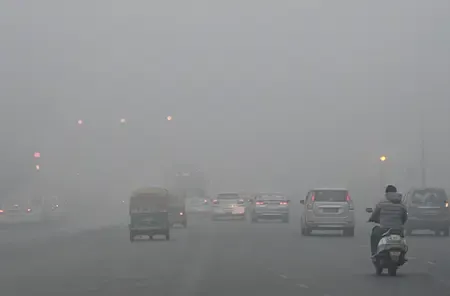
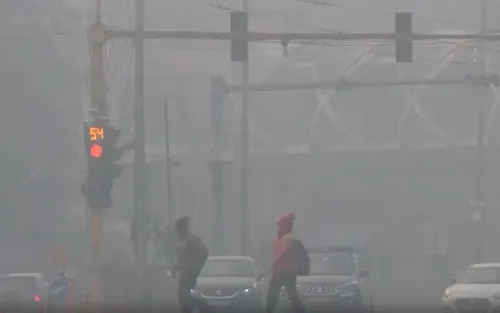
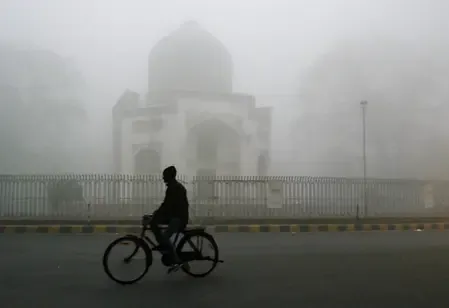
The IMD further noted that dense to extremely dense fog is likely to linger during nighttime and early morning hours across many locations in Delhi until January 6. Similar cold wave conditions have been predicted for Rajasthan, Punjab, Haryana, and Delhi through January 5.
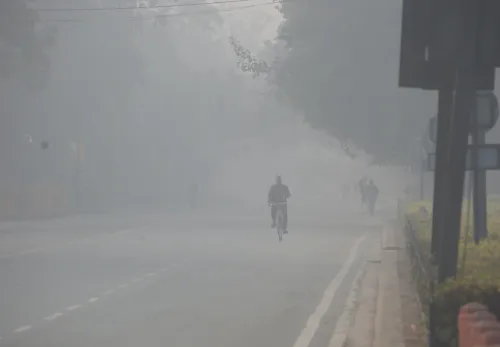
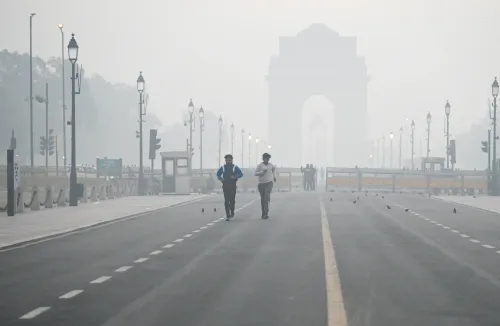
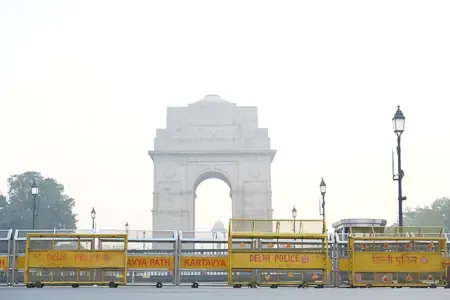
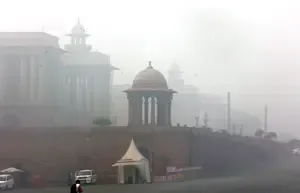
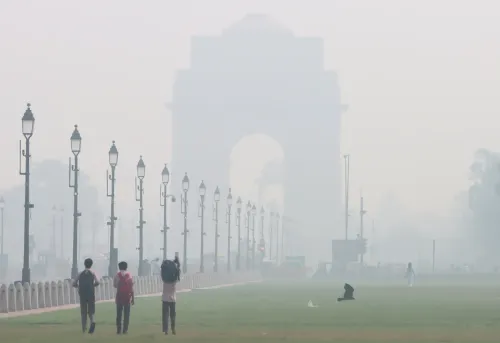
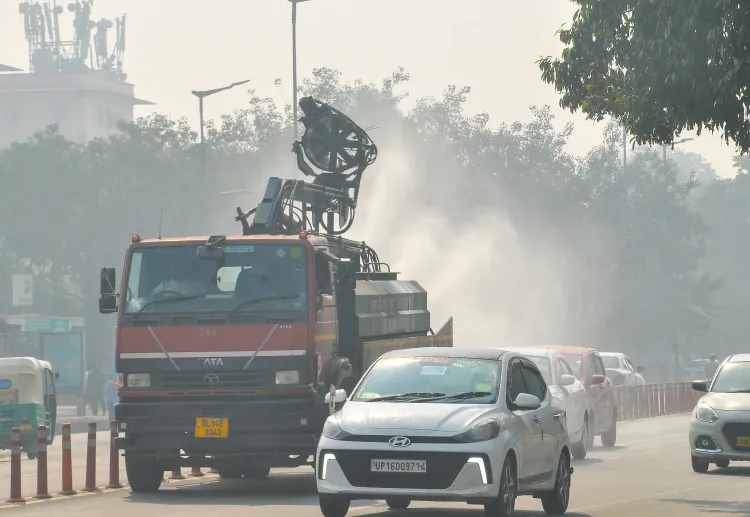
While temperatures are set to continue their downward trend, the air quality in the capital has shown slight improvement. The Air Quality Index (AQI) for Delhi was recorded at 386 on Friday, as per pollution control authorities. However, the dense fog and smog have diminished visibility in various parts of the city, disrupting daily activities and leading airlines to issue advisories.
According to the Central Pollution Control Board (CPCB), the 24-hour average AQI for Delhi remained in the 'very poor' category at 380. Out of the monitoring stations, 26 reported 'very poor' air quality, while 11 fell into the 'severe' category. Anand Vihar reported the most alarming AQI at 423.
Area-specific AQI readings included: Dwarka Sector 8: 338; IGI Airport: 259; ITO (CPCB): 326; JLN Stadium: 362; Mundka: 347; NSIT Dwarka (CPCB): 411.
Nearby cities also experienced improved air quality. Noida recorded an AQI of 299, categorizing it as 'poor'. Gurugram noted an AQI of 232, and Faridabad reported 220, both also classified in the 'poor' range. Ghaziabad recorded an AQI of 300. Overall, all NCR cities reflected an enhancement in pollution levels.
Air India and IndiGo have issued advisories cautioning that flight schedules could be affected due to the dense fog and reduced visibility. IndiGo announced that certain flights were canceled in advance to alleviate passenger inconvenience.
The operational status report from IGI Airport at 07:30 a.m. indicated that CAT I operations were ongoing, visibility stood at 1,300 meters, there were no diversions, and all operations remained normal.
Delhi recorded its coldest December day since 2019 on December 31, 2025, with the maximum temperature dropping to 14.2 degrees Celsius, about 6.2 degrees below the norm.
Point of View
The situation in Delhi reflects a dual challenge—intensifying cold and fluctuating air quality. The focus must remain on adaptive measures and public health advisories to ensure safety and well-being. As always, Nation remains committed to bringing you the latest insights.
NationPress
30 Sept 2026
Frequently Asked Questions
What is causing the cold wave in Delhi ?
The cold wave is attributed to a drop in temperatures due to weather patterns affecting the Delhi-NCR region.
How is the air quality in Delhi currently?
Currently, the air quality is showing improvement, with an AQI of 386, although it remains classified as 'very poor'.
What precautions should residents take during the cold wave?
Residents are advised to stay warm, limit outdoor activities, and be cautious of the dense fog affecting visibility.
How long will the cold wave conditions last?
Cold wave conditions are expected to persist from January 2 to January 5, with dense fog until January 6.
What should travelers be aware of during this period?
Travelers should check flight schedules and be prepared for potential delays due to fog and visibility issues.