700 red-eared slider turtles seized at Kolkata Airport from Bangkok passenger
Synopsis
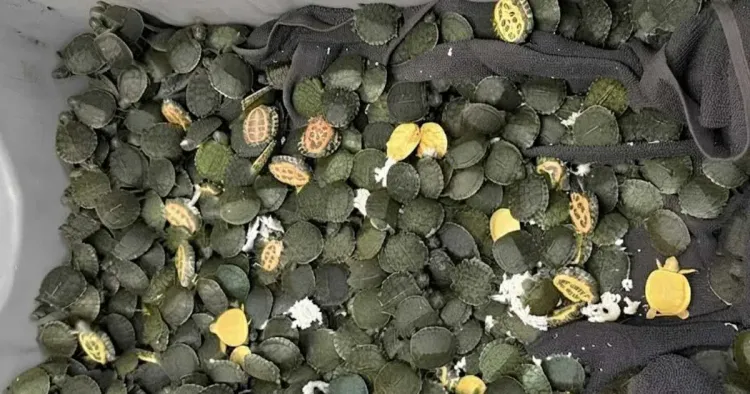
AIU officials at Kolkata's Netaji Subhas Chandra Bose International Airport seized 707 live red-eared slider turtles — one of the world's 100 worst invasive species — from a single Bangkok passenger on 23 July. The bust exposes a thriving smuggling corridor exploiting India's pet market demand and the strict protection of native turtle species.
Key Takeaways
707 red-eared slider turtles were seized from a Bangkok passenger at Kolkata Airport on 23 July .
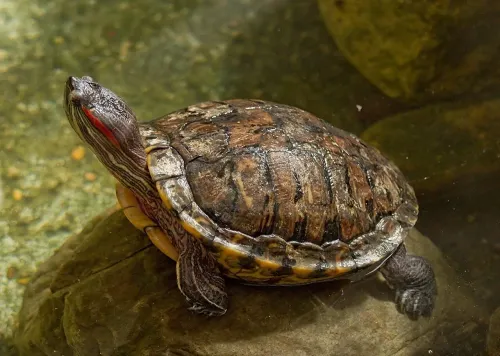
The species is listed among the world's 100 worst invasive species and poses a threat to India's 29 native freshwater turtle species .
The passenger has been arrested on charges of promoting wildlife smuggling; the investigation is ongoing.
Red-eared sliders are a known carrier of Salmonella bacteria , posing direct health risks, especially to children.
Under customs protocol, the seized turtles will be stabilised and deported back to their country of origin to prevent ecological harm.
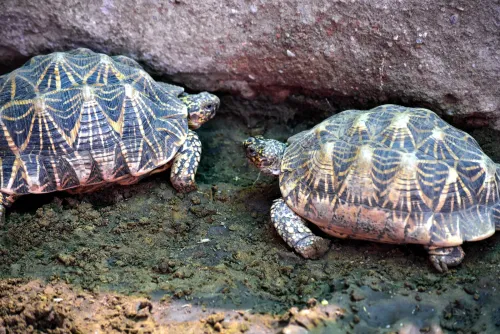
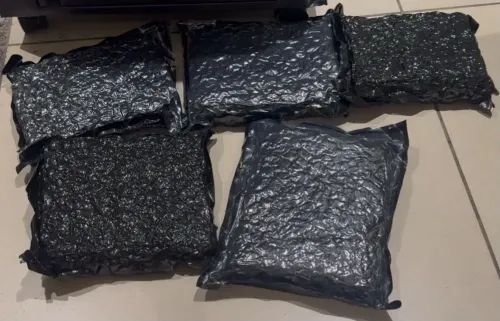
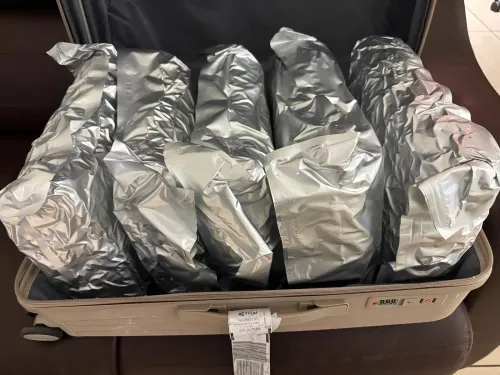
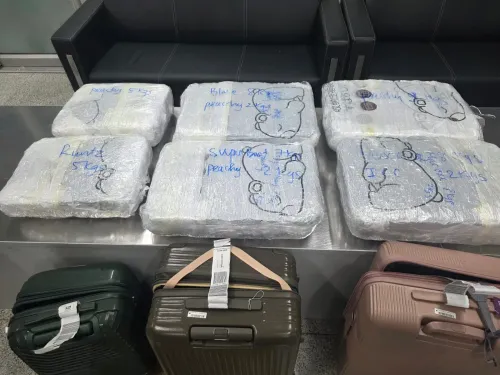
Officials of the Air Intelligence Unit (AIU) of the Indian Customs Department seized 707 red-eared slider turtles from the luggage of a passenger arriving from Bangkok at Netaji Subhas Chandra Bose International Airport in Kolkata on Wednesday, 23 July. The turtles — classified among the world's 100 worst invasive species — were concealed in a single bag and discovered when AIU officials detected movement inside the passenger's luggage as he crossed the Green Channel.
How the Seizure Unfolded
A Bangkok-bound flight landed at Kolkata Airport on Wednesday night, and as the passenger made his way through the Green Channel, AIU officials noticed suspicious movement within his baggage. He was immediately detained and his bags subjected to a thorough search. The inspection yielded 707 live turtles, subsequently confirmed to be of the red-eared slider species. The passenger has since been arrested on charges of promoting wildlife smuggling. Investigators are now working to establish the origin of the consignment and its intended destination.
Why Red-Eared Sliders Are Smuggled Into India
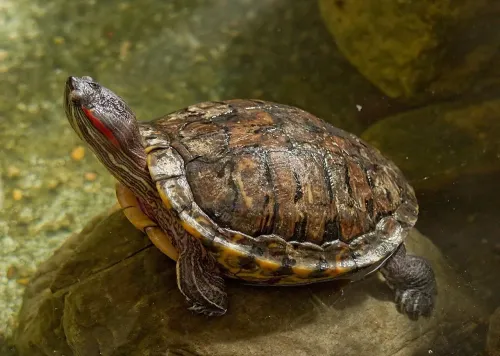
Demand for red-eared sliders in the Indian pet market is driven by two converging factors. Native Indian turtle species are strictly protected under the Wildlife Protection Act, leaving a gap that smugglers fill with imported alternatives. Additionally, the red-eared slider's distinctive red markings and low-maintenance care requirements make it a popular choice among pet buyers. The combination of restricted supply of native species and high consumer appeal has made this particular turtle a lucrative target for wildlife traffickers operating through international air routes.
Environmental and Health Risks
Wildlife conservationists warn that the smuggling of red-eared sliders poses a serious ecological threat to India's freshwater ecosystems. When pet owners release the animals into local water bodies — a common occurrence when the turtles outgrow their welcome — they compete directly with India's 29 native freshwater turtle species for food, basking sites, and nesting habitats. Their aggressive and invasive nature gives them a competitive edge that can displace indigenous populations. Beyond ecology, the species is a known carrier of Salmonella bacteria, posing direct health risks, particularly to children who handle them as pets.
Customs Policy on Intercepted Turtles
The Indian Customs Department follows a defined protocol when live red-eared sliders are intercepted. Rather than releasing them into local environments — which would compound the ecological risk — the animals are fed, medically stabilised, and deported back to their country of origin. This policy is designed to prevent any inadvertent introduction of the invasive species into the Indian ecosystem. The 707 turtles recovered in this case are expected to be handled in accordance with this established procedure.
The seizure is among the largest single-haul recoveries of this species at an Indian airport and signals continued pressure on wildlife trafficking networks operating through the Bangkok–Kolkata corridor. Authorities are expected to probe whether the passenger was part of a larger smuggling operation.
Point of View
With red-eared sliders filling that void via international air routes. The Bangkok–Kolkata corridor has emerged as a recurring pressure point, yet airport interdiction remains reactive rather than intelligence-led. The deeper question is what happens after the arrest: without prosecutions that result in meaningful sentences, seizures function more as cost-of-business incidents for traffickers than genuine deterrents.
NationPress
23 Jul 2026
Frequently Asked Questions
What were the 707 turtles seized at Kolkata Airport?
They were live red-eared slider turtles, a species classified among the world's 100 worst invasive species, recovered from the luggage of a passenger arriving from Bangkok on 23 July. The seizure was made by Air Intelligence Unit officials of the Indian Customs Department.
Why are red-eared slider turtles smuggled into India?
Demand is driven by the strict protection of native Indian turtle species under the Wildlife Protection Act, which pushes buyers toward exotic imports. Red-eared sliders are also popular in the pet market for their distinctive red markings and ease of care.
What environmental risks do red-eared sliders pose in India?
When released into Indian water bodies, red-eared sliders compete with 29 native freshwater turtle species for food, basking sites, and nesting habitats, threatening indigenous populations. The species is also a known carrier of Salmonella bacteria, posing health risks particularly to children.
What will happen to the seized turtles?
Under Indian Customs Department protocol, intercepted red-eared sliders are fed, medically stabilised, and deported back to their country of origin. This prevents them from entering and potentially disrupting the Indian ecosystem.
Has the passenger been arrested?
Yes, the passenger has been arrested on charges of promoting wildlife smuggling. Investigators are working to determine where the turtles originated and where they were intended to be delivered, probing whether the individual was part of a larger trafficking network.