Akal Takht excommunicates SGPC's Chawla over Anandpur Sahib rape case
Synopsis
In a sweeping religious sanction, the Akal Takht has excommunicated SGPC member and Akali Dal-Badal leader Amarjit Singh Chawla and senior Granthi Malkit Singh, barring both for life from all Sikh institutions — the fallout of a rape case registered in Anandpur Sahib on 21 August that has now shaken both the political and ecclesiastical establishments of Punjab's Sikh governance.
Key Takeaways
Akal Takht on 20 September 2026 excommunicated SGPC member and Shiromani Akali Dal-Badal leader Amarjit Singh Chawla from the Sikh Panth.
The excommunication follows an FIR registered on 21 August 2026 under the Bharatiya Nyaya Sanhita over alleged rape and captivity at a serai in Anandpur Sahib .
Giani Malkit Singh , Additional Head Granthi of Akal Takht Sahib, was simultaneously expelled for allegedly sending obscene messages to the complainant.
Both individuals are barred for life from serving in any Sikh institution, gurdwara management committee, or religious platform.
The Sikh community has been directed to sever all religious, social, and political ties with the excommunicated individuals.
Chawla, who has denied the allegations as a political conspiracy, had already resigned from SGPC membership and party posts before the action.
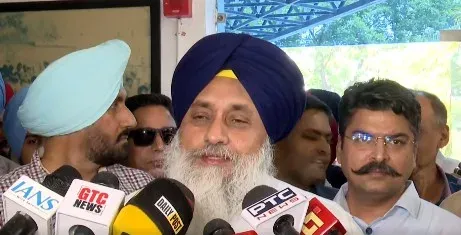
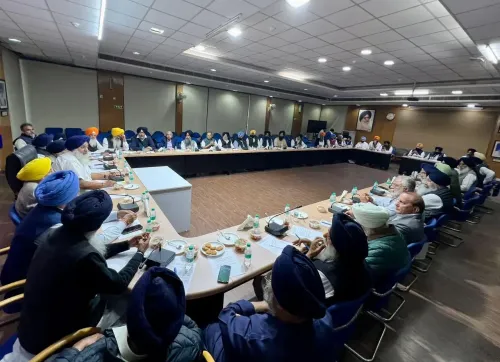
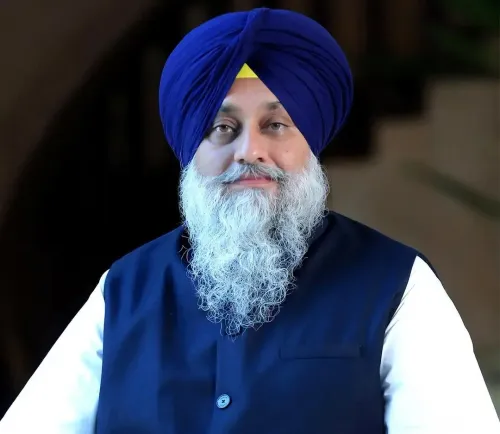
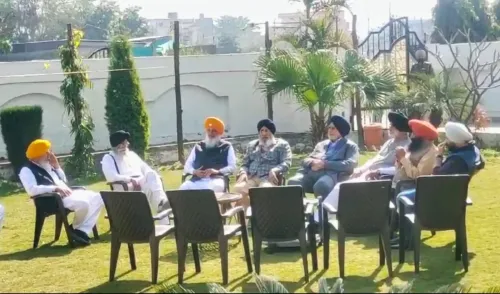
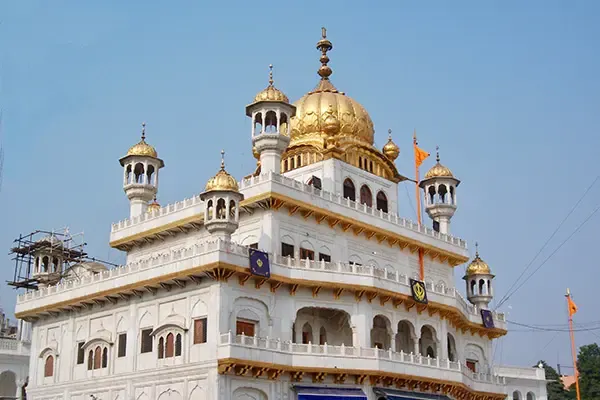
The five Sikh high priests on Sunday, 20 September 2026, excommunicated Shiromani Gurdwara Parbandhak Committee (SGPC) member and senior Shiromani Akali Dal-Badal leader Amarjit Singh Chawla from the Sikh Panth, following a rape case registered against him at Anandpur Sahib. The announcement was made by Akal Takht's Acting Jathedar Kuldeep Singh Gargaj after a meeting convened at the Akal Takht Secretariat in Chandigarh.
What the Akal Takht Decided
The excommunication — a formal 'Gurmata' passed by the supreme temporal seat of Sikhism — cited alleged serious violations of Sikh conduct and Panthic rules. The Sikh community has been directed not to maintain any religious, social, or political association with Chawla.
Alongside Chawla, the Akal Takht also expelled Giani Malkit Singh, Additional Head Granthi of Akal Takht Sahib, over alleged actions contrary to Panthic discipline. He was accused of sending obscene messages to the complainant woman. Both individuals have been barred for life from serving in any Sikh institution, gurdwara management committee, or religious platform.
The Underlying Criminal Case
A First Information Report (FIR) was registered against Chawla on 21 August 2026 following a complaint by a woman who alleged she was held captive and raped at a serai in Anandpur Sahib. The case was registered under Sections 64, 127(2), and 351(2) of the Bharatiya Nyaya Sanhita (BNS). The complaint also named Giani Malkit Singh and Mohan Singh, a driver at Takht Kesgarh Sahib, alleging they sent her vulgar messages.
Chawla's Response and Prior Moves
Chawla has denied the allegations, terming them 'a part of a political conspiracy.' He had already resigned from his SGPC membership and all party posts prior to Sunday's Akal Takht proceedings. His resignation, however, did not forestall the religious body's action.
Significance of the Action
Excommunication — or 'Tankhaiya' proceedings followed by formal expulsion — is among the most severe sanctions the Akal Takht can impose on a Sikh. Such decisions carry deep social and political consequences within the community, particularly for leaders aligned with gurdwara management bodies. This action comes at a time when the Shiromani Akali Dal-Badal is already navigating significant internal and electoral pressures in Punjab. The dual expulsion — a politician and a senior religious functionary — underscores the breadth of the case's fallout for institutional Sikhism.
Further legal proceedings in the criminal case before Punjab courts are expected to unfold in the weeks ahead.
Point of View
Even when the accused cry political conspiracy. What is notable is the dual expulsion — both a senior Akali Dal functionary and a high-ranking religious official — suggesting the complaint's reach extends deep into the gurdwara establishment. For the Shiromani Akali Dal-Badal, already weakened after consecutive electoral setbacks, this is a reputational blow it can ill afford. The criminal case under the Bharatiya Nyaya Sanhita remains active, meaning the legal reckoning is separate from — and may outlast — the religious one.
NationPress
20 Sept 2026
Frequently Asked Questions
What is excommunication in Sikhism and what does it mean for Chawla?
Excommunication, or expulsion from the Sikh Panth, is the most severe sanction the Akal Takht can impose, barring the individual from all religious, social, and political association within the community. For Amarjit Singh Chawla, it means a lifetime ban from serving in any Sikh institution or gurdwara management body.
What is the rape case against Amarjit Singh Chawla?
A woman alleged she was held captive and raped at a serai in Anandpur Sahib. An FIR was registered against Chawla on 21 August 2026 under Sections 64, 127(2), and 351(2) of the Bharatiya Nyaya Sanhita.
Who else was excommunicated alongside Chawla?
Giani Malkit Singh, the Additional Head Granthi of Akal Takht Sahib, was also expelled from the Sikh Panth for allegedly sending obscene messages to the complainant. Both Chawla and Malkit Singh are barred for life from all Sikh institutions.
How has Chawla responded to the allegations and the Akal Takht's action?
Chawla has denied the allegations, calling them a political conspiracy. He resigned from his SGPC membership and all party posts before Sunday's proceedings, though the Akal Takht proceeded with the excommunication regardless.
What is the Akal Takht and why does its decision matter?
The Akal Takht is the supreme temporal seat of Sikhism, and its rulings carry binding moral and social authority for the global Sikh community. A formal Gurmata — a collective religious resolution — passed by the five Sikh high priests is considered one of the highest sanctions in Panthic governance.