CM Bhagwant Mann Accuses SGPC Chief of Open Akali Canvassing

Synopsis
Punjab CM Bhagwant Mann publicly accused the SGPC president of openly acting as a campaigner for the Shiromani Akali Dal and warned that a hukamnama urging Sikhs to vote for Sukhbir Badal — framed as a religious duty — could be issued at any moment.
Key Takeaways
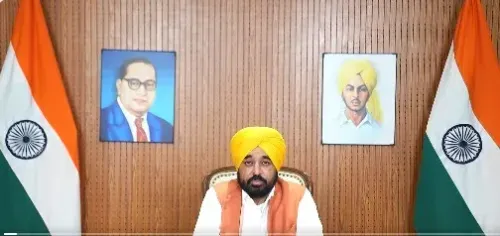
Punjab Chief Minister Bhagwant Mann posted on X on 16 June 2026 accusing the SGPC president of openly canvassing for the Shiromani Akali Dal .
Mann warned that a hukamnama from the Jathedar of Akal Takht directing Sikhs to vote for Sukhbir Singh Badal could come 'at any time.' The SGPC , constituted under the Sikh Gurdwaras Act, 1925 , is meant to be a non-partisan body managing historic Sikh shrines.
SAD has maintained institutional dominance over SGPC panels since 1996 , a pattern AAP has repeatedly challenged since taking power in 2022 .
No hukamnama has been issued as of the time of this report; Mann's post is a pre-emptive political warning.
Punjab Chief Minister Bhagwant Mann on Tuesday, 16 June 2026, launched a sharp public attack on the president of the Shiromani Gurdwara Parbandhak Committee (SGPC), accusing him of openly functioning as a campaigner for the Shiromani Akali Dal (SAD) and warning that a directive from the Jathedar of Akal Takht asking Sikhs to vote for Sukhbir Singh Badal could follow at any moment.
Posting in Punjabi on X, Mann wrote: 'ਸ਼੍ਰੋਮਣੀ ਗੁਰਦੁਆਰਾ ਪ੍ਰਬੰਧਕ ਕਮੇਟੀ ਦੇ ਪ੍ਰਧਾਨ ਜੀ ਤਾਂ ਸ਼ਰੇਆਮ ਅਕਾਲੀ ਦਲ ਦੇ ਪ੍ਰਚਾਰਕ ਬਣੇ ਹੋਏ ਨੇ' ['The president of the SGPC has openly become a campaigner for the Akali Dal']. He added that all that remained now was for the Jathedar Sahib to issue a hukamnama — a binding Sikh edict — instructing voters to cast their ballots for Sukhbir Badal, failing which 'the Panth is in danger.' Mann concluded by saying 'such a decision could be taken at any time.'
Context
The SGPC is a statutory body constituted under the Sikh Gurdwaras Act, 1925, mandated to manage historic Sikh shrines across Punjab and beyond. Its president holds significant institutional and symbolic authority within the Sikh community. Mann's post stops short of naming the current SGPC president but frames the office-holder's conduct as a partisan departure from the body's religious mandate.
A hukamnama issued by the Jathedar of Akal Takht — the highest temporal seat of Sikh authority in Amritsar — carries deep moral weight among observant Sikhs. Mann's invocation of a potential hukamnama framing a vote for Badal as a religious duty is a pointed rhetorical escalation, suggesting the AAP government sees the SGPC-Akal Takht axis as a live electoral threat.
Policy Backdrop
The Shiromani Akali Dal, founded in 1920, has historically maintained close organisational ties with the SGPC. Since 1996, SGPC general house elections have repeatedly returned panels aligned with SAD, reinforcing the party's institutional foothold in gurdwara administration. Critics of this arrangement — including successive non-Akali governments — have long argued it blurs the line between religious governance and party politics.
The Aam Aadmi Party swept to power in Punjab in February 2022 on a platform that explicitly challenged what it called the SAD-Congress duopoly. Since then, the Mann government has consistently sought to highlight what it describes as SAD's misuse of religious institutions for electoral mobilisation, making the SGPC-politics nexus a recurring flashpoint between the two sides.
Stakeholders and Impact
Sukhbir Singh Badal, SAD president and former Deputy Chief Minister of Punjab, is the direct target of Mann's allegation. The charge — that the SGPC chief is effectively running advance publicity for Badal — is politically significant because it attempts to delegitimise any future panthic appeal SAD may make to Sikh voters. SAD has not yet responded publicly to this specific post.
For Sikh voters across Punjab and the diaspora, the post raises questions about the independence of religious institutions from party influence. Civil society voices within the Sikh community have periodically called for structural separation between SGPC administration and party politics, a debate Mann's intervention is likely to reignite.
What's Next
Political observers will watch closely for any formal response from the SGPC or the Akal Takht, either rebutting Mann's characterisation or clarifying the office-bearer's role. The next SGPC general house elections — whenever they are held — will be a key test of whether SAD's institutional grip on gurdwara administration holds against a resurgent AAP presence in Punjab.
Mann's post signals that the AAP government intends to keep the SGPC-politics debate at the centre of Punjab's pre-election discourse. If a hukamnama or any directive with electoral overtones does emerge from Sikh religious authorities, it would almost certainly trigger a fresh and sharper political confrontation between Chandigarh and the SAD-aligned religious establishment.
Point of View
AAP seeks to inoculate Sikh voters against any future panthic appeal from SAD before it is even made. The move fits a broader AAP playbook of exposing institutional capture rather than engaging SAD on purely electoral terrain. For SAD, the allegation is doubly damaging: it forces the party to either distance itself from the SGPC — its most durable organisational asset — or defend an association that looks partisan to swing voters. The exchange also reveals how Punjab's 2027 assembly cycle is already shaping the battle lines between the ruling AAP and a SAD seeking institutional rehabilitation.
NationPress
15 Sept 2026
Frequently Asked Questions
What did Bhagwant Mann say about the SGPC president?
Mann accused the SGPC president of openly acting as a campaigner for the Shiromani Akali Dal and warned that a hukamnama urging Sikhs to vote for Sukhbir Badal could be issued at any time.
What is a hukamnama and why does it matter in Punjab politics?
A hukamnama is a binding edict issued by the Jathedar of Akal Takht, the highest temporal Sikh authority. Because it carries deep religious weight among observant Sikhs, a politically worded hukamnama can significantly influence voting behaviour in Punjab.
What is the SGPC and is it supposed to be political?
The Shiromani Gurdwara Parbandhak Committee is a statutory body under the Sikh Gurdwaras Act, 1925, tasked with managing historic Sikh shrines. It is not meant to function as a political organisation, though critics have long alleged its leadership acts in alignment with the Shiromani Akali Dal.
Who is Sukhbir Singh Badal?
Sukhbir Singh Badal is the president of the Shiromani Akali Dal and a former Deputy Chief Minister of Punjab from the politically influential Badal family.
Has the SGPC or Akal Takht responded to Mann's accusation?
As of the time of this report, no formal response has been issued by the SGPC or the Akal Takht to Mann's 16 June 2026 post.