Demonetisation a 'vote ban' for BJP, UP battle now 95-5: Akhilesh Yadav
Synopsis
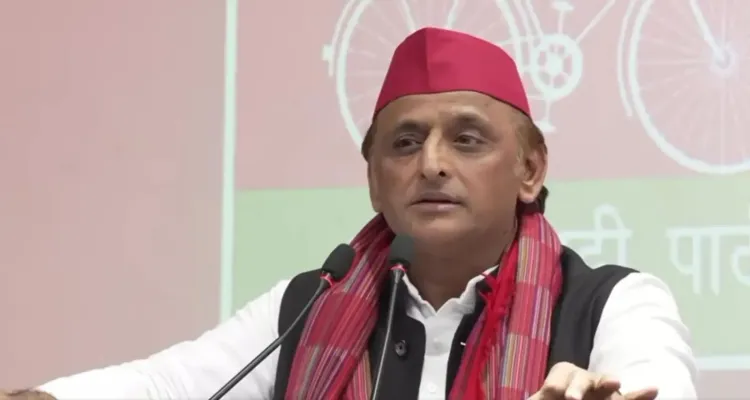
Akhilesh Yadav has drawn the starkest electoral battle line yet — not 80-20, not 20-80, but 95-5. At a Lucknow press conference on the tenth anniversary of demonetisation, the SP chief called the note ban the world's most corrupt decision and bet it will serve as the BJP's political death knell in Uttar Pradesh.
Key Takeaways
Akhilesh Yadav called demonetisation the 'most corrupt decision in world history' at a press conference in Lucknow on 11 November 2026 .
He predicted the note ban would become a 'vote ban' for the BJP in Uttar Pradesh .
Yadav claimed the UP electoral contest would end 95-5 in the Samajwadi Party's favour.
He alleged demonetisation failed to curb black money and devastated MSMEs and the banking system.
Yadav targeted the Yogi Adityanath government over law and order, citing Hathras among other incidents.
He challenged BJP leadership to an open debate on demonetisation and its economic consequences.
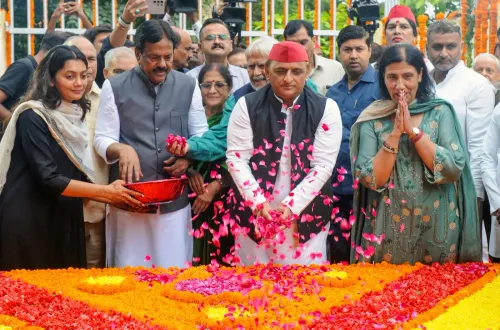
Samajwadi Party (SP) President Akhilesh Yadav on 11 November 2026 launched a sharp attack on the Bharatiya Janata Party (BJP) at a press conference in Lucknow, calling the 2016 demonetisation the 'most corrupt decision in world history' and predicting it would become a 'vote ban' for the ruling party in Uttar Pradesh. Yadav argued that the note ban had delivered a death blow to India's economy and would translate into a devastating electoral verdict against the BJP.
Yadav's Core Charges Against Demonetisation
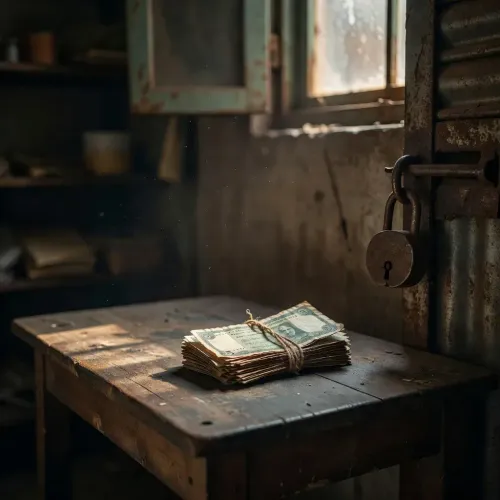
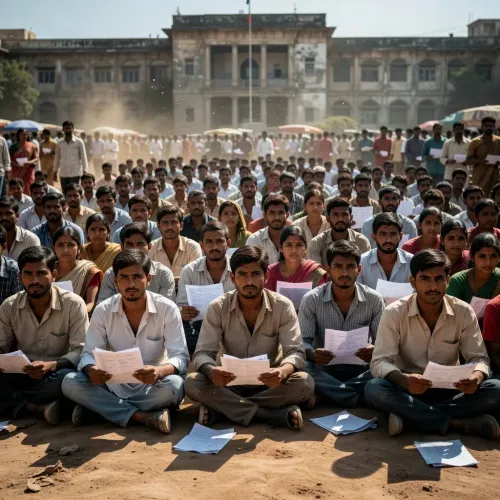
Addressing reporters, Akhilesh Yadav alleged that the note ban — enforced by the Narendra Modi government effective 8 November 2016 — failed on every stated objective: it neither reined in tax evasion nor curbed black money. Instead, he argued, it inflicted the worst damage on Micro, Small and Medium Enterprises (MSMEs) and left the country's banking system severely weakened. He also challenged the BJP leadership to an open public debate on the issue.
Notably, the Centre had introduced demonetisation of high-value currency notes with the stated aims of tackling rampant tax evasion and reducing black money circulation. Critics, including several economists, have since questioned whether those goals were achieved.
The '95-5' Electoral Claim
In one of his most striking assertions, Yadav declared that the upcoming electoral contest in Uttar Pradesh would not be an '80-20' or '20-80' fight, but a '95-5' outcome — implying the BJP faces near-total annihilation in the state. He claimed voters have already made up their minds in favour of the Samajwadi Party and that the state's political landscape is set to shift decisively.
The 'Khazanchi' Jibe
Yadav also deployed a pointed political metaphor, referring to a symbolic figure he called 'Khazanchi' — a child born during demonetisation who has since turned ten years old. 'The BJP should now adopt him — though not in the same way its leaders adopted villages,' he said. 'To this day, it is the Samajwadi family that continues to look after Khazanchi and his education.' The remark was widely read as a dig at BJP leaders' much-publicised village adoption pledges that critics allege went unfulfilled.
Law and Order, and the Road Ahead
Beyond economics, Yadav targeted the Yogi Adityanath government over what he described as a deteriorating law and order situation in Uttar Pradesh, citing incidents including Hathras as evidence of systemic failure. He also alleged that corruption in the state has reached its peak under the current administration. The SP president said decisions like demonetisation had set the economy back to conditions resembling 1947, even as BJP leaders speak of a developed India by 2047.
With assembly elections in Uttar Pradesh on the horizon, Yadav's remarks signal an aggressive SP campaign centred on economic grievances and governance failures — a strategy aimed squarely at consolidating anti-incumbency sentiment.
Point of View
But the political timing is deliberate — invoking demonetisation on its tenth anniversary keeps an economically painful memory alive at the precise moment SP needs to consolidate anti-incumbency. The MSMEs and informal economy argument has genuine resonance in UP, where small traders bore the sharpest brunt of the note ban. What mainstream coverage tends to miss is that this is not just a backward-looking attack: by framing demonetisation as a governance philosophy rather than a one-off policy error, Yadav is building a broader case against BJP's economic credibility heading into the election cycle. Whether the '95-5' bravado holds up will depend on whether SP can translate economic grievance into actual coalition arithmetic.
NationPress
11 Nov 2026
Frequently Asked Questions
What did Akhilesh Yadav say about demonetisation on 11 November 2026?
Akhilesh Yadav described demonetisation as the 'most corrupt decision in world history' at a press conference in Lucknow, arguing it devastated MSMEs, damaged the banking system, and failed to curb black money or tax evasion. He predicted it would prove to be a 'vote ban' — an electoral punishment — for the BJP in Uttar Pradesh.
What is the '95-5' claim Akhilesh Yadav made about UP elections?
Yadav claimed the upcoming Uttar Pradesh assembly election would not be a close '80-20' or '20-80' contest but a '95-5' outcome, asserting that the BJP would be near-completely wiped out and that voters have already decided in favour of the Samajwadi Party.
What was the 'Khazanchi' reference in Akhilesh Yadav's remarks?
Yadav referenced a symbolic figure called 'Khazanchi', a child born at the time of demonetisation who is now ten years old, noting the BJP has never celebrated his birthday. The remark was a political jibe at BJP leaders' unfulfilled village adoption pledges and the party's silence on demonetisation's continuing economic legacy.
What were the original stated objectives of the 2016 demonetisation?
The Centre introduced demonetisation of high-value currency notes effective 8 November 2016, with the stated aims of curbing black money and reining in rampant tax evasion. Critics, including Akhilesh Yadav, have argued those objectives were not met and the policy caused significant collateral economic damage.
What else did Akhilesh Yadav target the BJP and Yogi Adityanath government over?
Beyond demonetisation, Yadav criticised the Yogi Adityanath government over law and order in Uttar Pradesh, citing incidents including Hathras as evidence of systemic failure. He also alleged corruption in the state has peaked under the current administration and challenged the BJP to an open debate on economic governance.