Akhilesh Yadav Targets BJP Over Ayodhya, Crime, Reservation
Synopsis
SP president Akhilesh Yadav on 18 June 2026 accused the BJP of a corruption scam in Ayodhya, making Gorakhpur UP's top crime district, and robbing PDA communities of reservation rights, framing the charges as a preview of the 2027 assembly election battle.
Key Takeaways
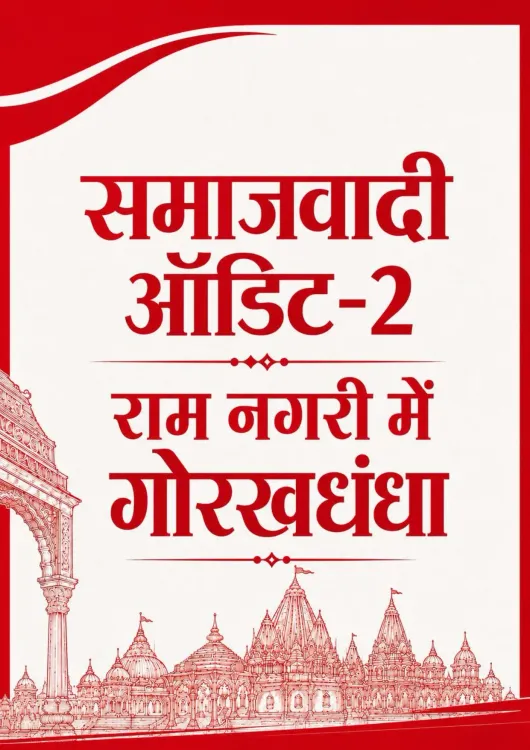
Samajwadi Party president Akhilesh Yadav posted on 18 June 2026 accusing BJP of making 'wealth its only religion.' He alleged a 'mega-scam' in the Ayodhya redevelopment project, inaugurated on 22 January 2024 .
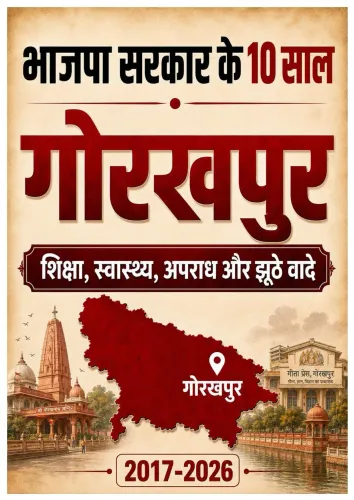
He claimed Gorakhpur — home city of Chief Minister Yogi Adityanath — has become Uttar Pradesh's top crime district ; this is an unverified party assertion.
He accused the BJP of conducting a 'rights-robbery scam' against PDA (Backward, Dalit and Minority) reservation entitlements.
The attack targets OBC, Scheduled Caste and minority voters — the demographic base the SP is courting for the 2027 UP assembly elections .
No official inquiry or NCRB data for 2026 has yet corroborated the specific claims made in the post.
Samajwadi Party president Akhilesh Yadav on Thursday, 18 June 2026, launched a sharp three-pronged attack on the Bharatiya Janata Party and its allies, accusing them of financial corruption in Ayodhya, making Gorakhpur the state's top crime district, and systematically denying reservation rights to backward, Dalit and minority communities under the PDA framework.
Context
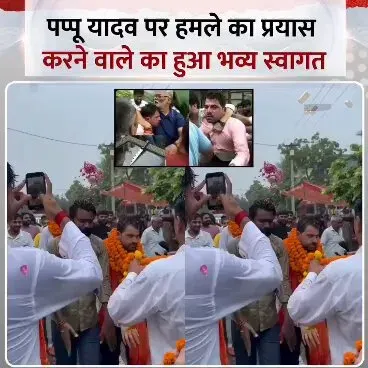
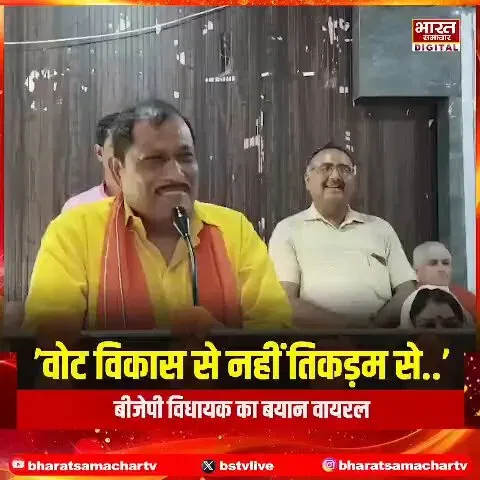
Posting on X, Yadav wrote: 'भाजपा और उसके संगी-साथियों के लिए 'धन' ही 'धर्म' है' ['For the BJP and its allies, 'wealth' is the only 'religion']. He listed three specific charges: what he called the 'Ayodhya mega-sin mega-scam' (महापाप-महाघोटाला), Gorakhpur topping Uttar Pradesh in crime, and a 'rights-robbery scam' against PDA reservation entitlements. The post was accompanied by four images, the contents of which the Samajwadi Party has not separately detailed.
The attack comes as UP's 2027 assembly elections draw closer, intensifying the opposition's effort to define the BJP's governance record on corruption, law-and-order and social justice — the three fault-lines that have dominated state politics since 2017.
Policy Backdrop
The Ram Janmabhoomi temple in Ayodhya was inaugurated on 22 January 2024 after decades of legal proceedings, accompanied by a large state-funded redevelopment of the surrounding area. Opposition parties, including the Samajwadi Party, have repeatedly raised allegations of financial irregularities in land acquisition, contractor awards and infrastructure spending linked to the project, though no findings from an official inquiry have been confirmed in public records.
Gorakhpur, the home constituency of Chief Minister Yogi Adityanath, has featured prominently in debates over the BJP government's law-and-order record. National crime data from prior years placed Uttar Pradesh among states with elevated recorded crime rates in select categories; Yadav's claim that Gorakhpur now ranks first in the state for crime is a party-level assertion and has not been independently verified by available public records for 2026.
The PDA — Pichhda, Dalit aur Alpsankhyak (Backward, Dalit and Minority) — reservation framework is the Samajwadi Party's signature social-justice plank, calling for sub-categorised quotas in public employment and education. The SP has accused the current state government of diluting or stalling these entitlements, a charge the BJP contests.
Stakeholders and Impact
The three issues Yadav raised directly affect distinct but overlapping voter blocs. Allegations of an Ayodhya scam are aimed at voters who supported the temple project but feel its economic benefits were captured by a contractor class close to the ruling party. The Gorakhpur crime charge is a direct challenge to the BJP's core 'law and order' campaign promise, and to Chief Minister Adityanath's personal political brand built around that city.
The PDA reservation grievance speaks to OBC, Scheduled Caste and minority communities — collectively the demographic arithmetic the Samajwadi Party is banking on to return to power in Lucknow. Any perception that existing reservation quotas are being undermined carries significant mobilising potential in a state where public-sector employment remains a critical aspiration.
What's Next
The release of the next National Crime Records Bureau report will be a key test of Yadav's Gorakhpur claim, and the SP is expected to amplify these charges if the data supports them. Legislative movement on OBC sub-categorisation — a matter before courts and state legislatures — will determine whether the PDA reservation debate shifts from political rhetoric to policy battleground. With the 2027 Uttar Pradesh assembly elections approaching, the Samajwadi Party's strategy of bundling corruption, crime and social justice into a single narrative against the BJP is likely to intensify across both legislative sessions and street-level mobilisation.
Point of View
Law-and-order failure in the CM's home city, and social-justice denial — into a single moral frame that equates BJP's religiosity with financial self-interest. The 'dhan hi dharm' formulation is crafted to invert the BJP's own cultural vocabulary against it. Each charge targets a separate but overlapping constituency: temple-town residents, crime-hit families and quota-dependent communities — precisely the coalition the SP needs to assemble for 2027. The intensity of this messaging this early in the election cycle signals that the SP intends to keep the BJP on the defensive on governance rather than cede the agenda to identity politics.
NationPress
19 Sept 2026
Frequently Asked Questions
What did Akhilesh Yadav say about Ayodhya on 18 June 2026?
Akhilesh Yadav called the Ayodhya redevelopment project a 'mega-sin mega-scam' ( महापाप-महाघोटाला ), alleging financial corruption in the BJP-led project. He did not specify a monetary figure in the post, and no official inquiry findings have been confirmed in public records.
What is the PDA reservation that Akhilesh Yadav is defending?
PDA stands for Pichhda, Dalit aur Alpsankhyak — Backward, Dalit and Minority communities. It is the Samajwadi Party's framework for sub-categorised quotas in public employment and education, which the SP accuses the BJP government of undermining.
Is Gorakhpur really number one in crime in Uttar Pradesh?
Akhilesh Yadav's claim that Gorakhpur ranks first in crime in Uttar Pradesh is a party-level assertion. Available public crime data for 2026 has not yet been independently verified, and the claim should be treated as an opposition allegation pending official NCRB figures.
Why is Akhilesh Yadav attacking BJP now in June 2026?
With the Uttar Pradesh assembly elections due in early 2027, opposition parties are intensifying their attacks on the ruling BJP's governance record. Yadav is seeking to define the election narrative around corruption, crime and social justice ahead of the campaign season.
What is the Samajwadi Party's main election strategy for UP 2027?
The Samajwadi Party is building its 2027 strategy around the PDA coalition — backward classes, Dalits and minorities — combined with attacks on BJP governance failures in law-and-order and alleged corruption in flagship projects like the Ayodhya redevelopment.