Akhilesh Yadav slams UP BJP over power crisis, hints at cabinet reshuffle
Synopsis
SP president Akhilesh Yadav on 25 May 2026 accused UP BJP lawmakers of using performative letters on the state's power crisis as political cover, alleged the ruling government is looting the treasury while ignoring citizens, and hinted at internal BJP tensions that could trigger a cabinet reshuffle ahead of the 2027 assembly elections.
Key Takeaways
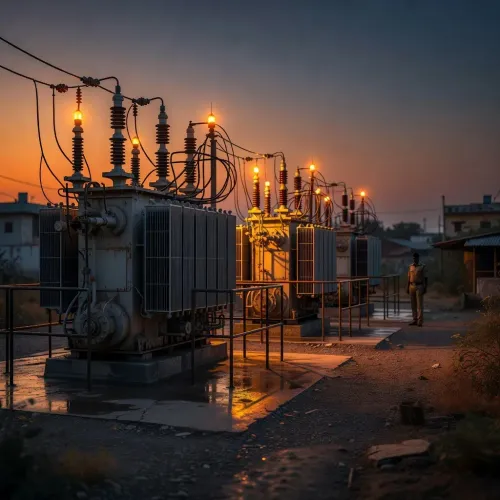
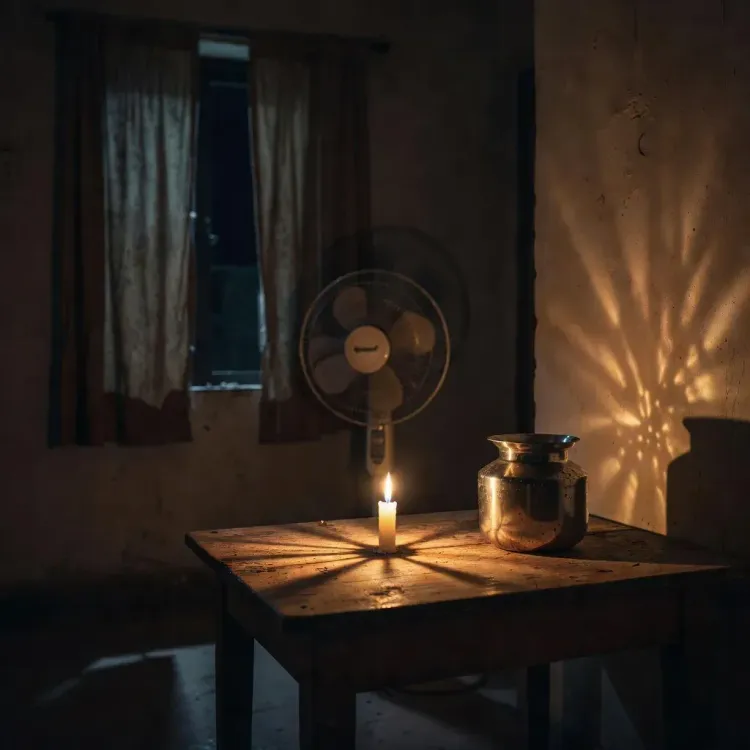
Akhilesh Yadav on 25 May 2026 called UP's electricity situation an unbearable 'great power disaster' ( mahā vidyut āpadā ).
He alleged BJP legislators' letters to their own government are effectively applications for opposition tickets in future elections.
Yadav said his alliance will not accommodate leaders who have given the public 'nothing but pain and hardship.' He cryptically suggested a ruling-party insider may use the crisis to remove a long-serving ineffective minister and expand the cabinet.
The SP chief alleged the UP BJP government is focused on 'filling its own treasury' rather than addressing public demands, knowing it will not return to power.
The post was tagged #भयभीत_भाजपा ('Frightened BJP'), signalling a coordinated SP messaging campaign ahead of the 2027 UP assembly elections .
Samajwadi Party president Akhilesh Yadav launched a sharp attack on the Bharatiya Janata Party government in Uttar Pradesh on Monday, 25 May 2026, accusing ruling-party legislators of writing performative letters on the power crisis to shield themselves from public anger rather than to serve constituents. He also alleged that the state government is focused solely on filling its own coffers while ignoring citizen hardship.
Context
In his post, Yadav described the electricity situation in Uttar Pradesh as an unbearable 'mahā vidyut āpadā' (great power disaster), arguing that BJP legislators writing letters to their own government are not penning public-interest appeals but effectively filing 'applications' to the opposition for tickets in upcoming elections. He wrote: 'That letter is not a public-interest letter written to one's own government — it is an application to get a ticket from the opposition in future elections, abandoning the sinking ship that is the BJP.'
The SP chief also rejected any possibility of inducting such leaders into his alliance, saying there is 'no place in our coalition for leaders who give the public nothing but pain, suffering, and hardship.' He specifically highlighted the plight of the elderly, the sick, children, and women managing households in what he called a life-threatening heat.
Policy Backdrop
After coming to power in 2017, the BJP government in Uttar Pradesh announced ambitious targets for 24-hour power supply in both rural and urban areas and claimed to have added thousands of megawatts of generation capacity. Opposition parties, including the Samajwadi Party, have repeatedly challenged those claims, particularly during summer months when demand peaks and outages lengthen.
India's most populous state has historically struggled with electricity distribution infrastructure, and summer heatwaves routinely expose gaps between announced capacity additions and actual supply at the household level. The 2027 Uttar Pradesh assembly elections loom as the political backdrop against which both sides are sharpening their messaging on governance delivery.
Stakeholders and Impact
Yadav's post names the most vulnerable groups bearing the cost of outages: the elderly, the ill, children, and women responsible for food and water management in homes. He argued that only families living through these conditions can fully understand the scale of the crisis — a rhetorical framing designed to contrast grassroots suffering with what he portrayed as insulated, slogan-shouting governance.
In a pointed aside, the SP president suggested that someone within the ruling establishment may use the crisis as an opportunity to remove a long-serving but ineffective minister — described cryptically as a 'doot-mantri' (envoy-minister) who has become an 'obstacle' — and that a subsequent cabinet expansion could accommodate loyalists who have been waiting for ministerial berths. He added that the UP BJP government itself knows it will not return to power, which is why it is 'ignoring public difficulties and demands entirely, focused only on filling its own treasury.'
What's Next
Political observers will watch whether the Yogi Adityanath administration responds with a statement on new power-purchase agreements or revised load-shedding schedules ahead of peak summer. Any cabinet reshuffle in Lucknow in the coming weeks will be scrutinised in light of Yadav's speculation about internal BJP tensions. With the 2027 assembly elections drawing closer, the power crisis is likely to remain a central plank of the SP's campaign against the ruling party, and the BJP's response — or absence of one — will shape voter perception in a state that sends the largest bloc of members to the Lok Sabha.
Point of View
He attempts to deepen cracks within the ruling coalition rather than simply criticise policy. The cryptic reference to a 'doot-mantri' and a potential cabinet reshuffle suggests the SP is tracking internal BJP dynamics closely, hoping that public anger over electricity will accelerate ruling-party fractures ahead of the 2027 assembly elections. The slogan 'Jan-jan kahe aaj ka, bhār ban gayi BJP' signals a concerted ground-level messaging push that the SP intends to carry into the campaign cycle.
NationPress
22 Oct 2026
Frequently Asked Questions
Why is Akhilesh Yadav criticising BJP over electricity in UP?
Akhilesh Yadav says the UP BJP government has failed to provide reliable power supply during a severe summer heatwave, causing acute hardship to the elderly, sick, children, and women managing households. He argues this exposes the hollowness of the BJP's earlier promises of 24-hour power supply.
What did Akhilesh Yadav say about BJP MLAs writing letters on the power crisis?
He said those letters are not genuine public-interest appeals but are effectively applications to the opposition for election tickets, as BJP legislators try to distance themselves from their own government's failures ahead of the 2027 UP assembly elections.
What is the 'doot-mantri' reference in Akhilesh Yadav's post?
Yadav cryptically referred to a long-serving minister in the UP government as a 'doot-mantri' (envoy-minister) who has become a liability, suggesting someone within the ruling establishment may use the power crisis as a pretext to remove this person and carry out a cabinet reshuffle. NationPress cannot independently verify the identity of the individual being referenced.
When are the next Uttar Pradesh assembly elections?
The next Uttar Pradesh assembly elections are scheduled for early 2027. Both the BJP and the Samajwadi Party are already positioning themselves, with the SP using the current power crisis as a key campaign issue.
What is the hashtag #भयभीत_भाजपा used by Akhilesh Yadav?
The hashtag translates to 'Frightened BJP' in English. Akhilesh Yadav used it to frame the ruling party as rattled by growing public anger over electricity outages and other governance failures in Uttar Pradesh.