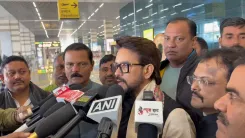
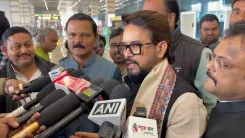
Akhilesh Yadav pins 25,000 exam-hit voters per UP seat
Synopsis
Samajwadi Party president Akhilesh Yadav argues cancelled UP recruitment tests and paper leaks have created about 25,000 aggrieved voters on every assembly seat. He folds that anger into the PDA coalition and calls for a PDA government in 2027.
Key Takeaways
Akhilesh Yadav on 28 November 2026 tied cancelled Uttar Pradesh recruitment exams to anti-BJP votes in the 2027 assembly polls.
He started with 2,65,270 candidates of a cancelled UP PCS preliminary, then scaled the figure across about 20 other tests and 403 seats.
He claimed a floor of about 25,000 aggrieved youth and ordinary voters on every Vidhan Sabha constituency.
He identified those voters with PDA ( Pichhda , Dalit, Alpsankhyak ) and promised a PDA government in 2027.
Several UP recruitment exams were cancelled between 2023 and 2025 after alleged paper leaks; his specific candidate counts remain his own arithmetic.
The BJP has governed Uttar Pradesh since 2017 ; the next assembly election is due in 2027.
On every assembly map in Uttar Pradesh, Samajwadi Party president Akhilesh Yadav now claims a new constituency: the cancelled-exam generation. In a post on 28 November 2026, the former chief minister ran the numbers on paper leaks and scrapped recruitments and concluded that nearly 25,000 aggrieved youth and ordinary voters on each of the state's 403 seats are ready to punish the ruling Bharatiya Janata Party in 2027.
Yadav's 403-seat arithmetic on cancelled tests
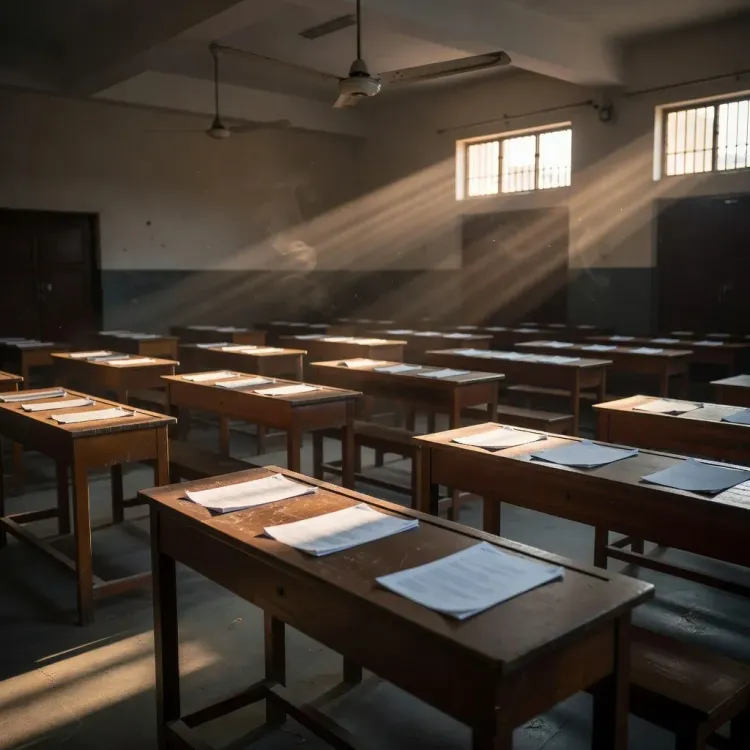
Yadav opened with the cancelled Uttar Pradesh Provincial Civil Services preliminary examination. He put affected candidates at 2,65,270. Add only their parents, he wrote, and the count becomes 2,65,270 x 3 = 7,95,810 victims.
He then pointed to about 20 other paper-leak and recruitment examinations in which, he said, lakhs of aspirants appear. Multiplying the same base by twenty produced 1,59,16,200. Spread across 403 Vidhan Sabha seats, that yielded about 39,494 new victims per constituency. Allowing that roughly one-third of unemployed candidates sat every paper, he subtracted that overlap and arrived at 26,330. Even at a conservative floor, he argued, exam-recruitment cancellations and education-test irregularities have left about 25,000 aggrieved young people and ordinary voters on every seat 'badly disappointed and frustrated' with the BJP.
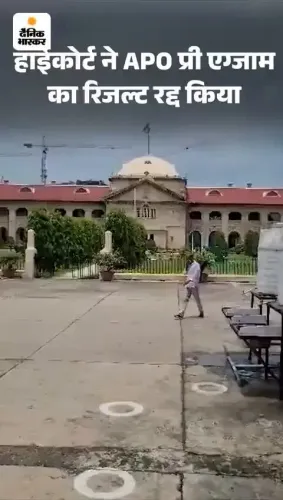
Those figures are Yadav's own. Public record does not independently confirm the candidate totals or the exact number of cancelled papers he used. What is documented is the broader run of cancellations: several Uttar Pradesh recruitment examinations were called off between 2023 and 2025 after allegations of paper leaks and irregularities under a BJP government in power since 2017, led by Chief Minister Yogi Adityanath.
'Whoever is a victim is PDA'
The political punchline followed the maths. Those voters, Yadav said, now believe unemployment will not ease until the BJP is removed. They will cast their votes against the party, vent their anger, and 'bid it farewell for good'.
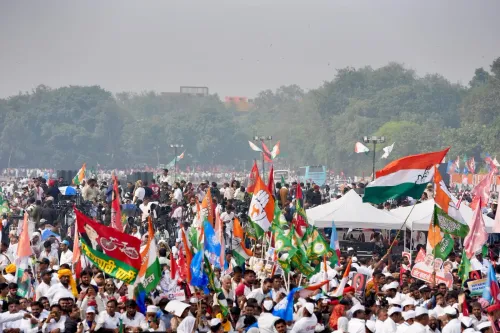
He folded the new aggrieved into the Samajwadi Party's social coalition. PDA — Pichhda (backward classes), Dalit and Alpsankhyak (minorities) — would grow stronger because, in his words, jo peedit hai, wo PDA hai ('whoever is a victim is PDA'). Together, the peedit (aggrieved) would end what he called the BJP's 'arrogant rule of partisan injustice and corruption' and build 'our PDA government' in 2027.
When a 'rights-grabbing, discriminatory' BJP government goes, he wrote, every crisis will lift, because 'the BJP itself is the biggest crisis'. Within a few months, he promised, a PDA government would erase 'pain, sorrow and humiliation' and bring prosperity and progress without discrimination or injustice. The slogans attached to the post were blunt: this time a PDA government; this time a government of the aggrieved.
How exam leaks became a 2027 campaign plank
The argument is not new. Since the 2022 assembly defeat, the Samajwadi Party — founded in 1992 and now the principal opposition in India's most populous state — has tied youth joblessness to broken recruitment pipelines. Opposition campaigns have repeatedly treated paper-leak scandals as a governance failure that lands on unemployed aspirants and their families.
Yadav, national president of the party and a Lok Sabha MP, is now trying to make that failure countable: a per-seat army of the disappointed, large enough, in his telling, to flip the map. Whether job-seeking youth actually vote as one bloc will shape alliance talk and booth-level work long before ballots are printed.
In the opposition's 2027 script, the next Uttar Pradesh election is no longer only a contest of caste columns. It is a contest over who owns the anger of a cancelled exam.
Point of View
He is stretching a caste-community coalition into a bloc defined by perceived injustice in public recruitment. The BJP's record on paper leaks and cancelled tests between 2023 and 2025 has already been a staple of opposition attacks; this post tries to make that anger countable in every Vidhan Sabha. The test is whether unemployed aspirants vote as a cross-cutting bloc or whether the campaign stays confined to the Samajwadi Party's existing social base.
NationPress
28 Nov 2026
Frequently Asked Questions
What did Akhilesh Yadav say about cancelled UP exams?
Samajwadi Party president Akhilesh Yadav said cancellations and paper leaks have left about 25,000 aggrieved youth and ordinary voters on every Uttar Pradesh assembly seat. In a 28 November 2026 post he scaled a cancelled UP PCS preliminary figure across other recruitment tests and 403 constituencies, and argued those voters will back a PDA government in 2027.
What is PDA in the Samajwadi Party's campaign?
PDA stands for Pichhda (backward classes), Dalit and Alpsankhyak (minorities), the social coalition the Samajwadi Party has organised in Uttar Pradesh. Yadav said the coalition is stronger because whoever is a victim is PDA, linking exam-related grievance to that base.
When is the next Uttar Pradesh assembly election?
The next Uttar Pradesh Legislative Assembly election is scheduled in 2027. The Bharatiya Janata Party has governed the state since 2017.
Have Uttar Pradesh recruitment exams been cancelled over paper leaks?
Several Uttar Pradesh recruitment examinations were cancelled between 2023 and 2025 after allegations of paper leaks and irregularities. Yadav's specific candidate counts and the exact number of papers he multiplied are his own figures and are not independently confirmed here.
How many seats are there in the Uttar Pradesh assembly?
The Uttar Pradesh Vidhan Sabha has 403 constituencies. Yadav divided his statewide victim estimate by 403 to produce a per-seat figure.