Akhilesh Yadav targets BJP over CUET PG exam irregularities
Synopsis
Samajwadi Party president Akhilesh Yadav on 30 May 2026 used a Hindi verse post on X to accuse the BJP of running a corrupt examination system, citing the CUET PG exam and declaring that today's aspirants reject the ruling party.
Key Takeaways
Samajwadi Party president Akhilesh Yadav posted on 30 May 2026 attacking the BJP over alleged corruption in the national examination system.
The post specifically targeted the CUET PG exam , conducted by the National Testing Agency (NTA) under the Ministry of Education .
Yadav framed his attack in Hindi verse, attributing the rejection of the BJP to exam aspirants themselves.
The CUET was introduced in 2022 by the University Grants Commission to standardise central university admissions, replacing institution-specific tests.
Neither the NTA nor the Ministry of Education had issued a public response to the concerns flagged under #CUET_PG_EXAM at the time of this report.
The opposition has raised concerns about NTA's logistical and integrity record since the centralised examination system was rolled out.
Samajwadi Party president Akhilesh Yadav on Saturday, 30 May 2026 launched a sharp attack on the Bharatiya Janata Party over alleged corruption in the national examination system, specifically invoking the CUET PG exam in a post on X that has drawn wide attention from student communities.
Context
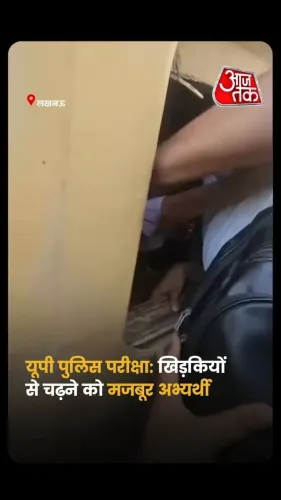
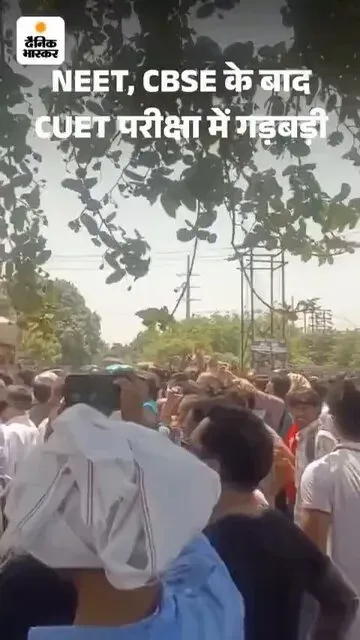
Yadav's post, written in Hindi verse, reads: 'भाजपाई भ्रष्टाचार के रूप अनेक, भ्रष्ट परीक्षा प्रणाली उनमें से एक' — ['BJP's corruption takes many forms; a corrupt examination system is one of them'] — and closes with a couplet attributing the voice to exam aspirants: 'परीक्षार्थी कहे आज का, नहीं चाहिए भाजपा!' ['Today's exam aspirant says: we don't want the BJP!']. The post was accompanied by a video and tagged #CUET_PG_EXAM, signalling a targeted political broadside against the Centre's management of the Common University Entrance Test for postgraduate admissions.
The former Uttar Pradesh Chief Minister has consistently positioned himself as a voice for youth and students, frequently using examination controversies to challenge the ruling dispensation at the Centre.
Policy Backdrop
The University Grants Commission introduced the Common University Entrance Test (CUET) in 2022 to standardise admissions across central universities, replacing institution-specific entrance tests. The National Testing Agency (NTA), an autonomous body under the Ministry of Education established in 2017, was tasked with conducting CUET for both undergraduate and postgraduate programmes.
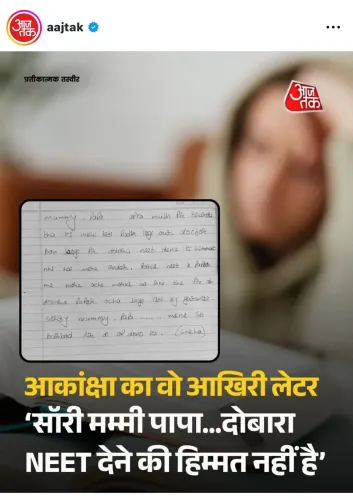
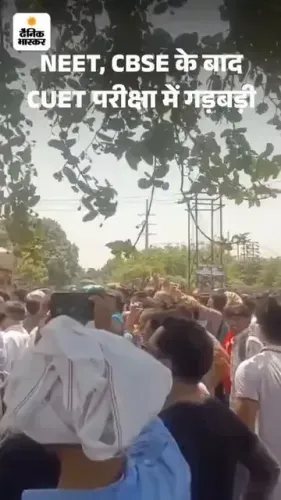
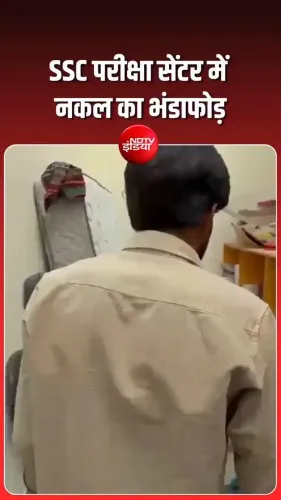
Since its rollout, the centralised examination architecture has faced criticism from opposition parties and student groups over logistical failures and concerns about the integrity of the process. The CUET PG cycle in particular has been a recurring flashpoint, with aspirants from across the country raising grievances about the conduct and transparency of the test.
Stakeholders and Impact
The post directly speaks to PG aspirants — a large and politically significant demographic, particularly in states like Uttar Pradesh, Bihar, and Madhya Pradesh, where competition for central university seats is intense. For these students, disruptions or doubts about examination fairness carry immediate consequences for academic and career trajectories.
The Samajwadi Party, which draws substantial support from youth voters in Uttar Pradesh, has made examination integrity and student welfare central planks of its opposition narrative. By framing the issue in verse and tagging a trending hashtag, Yadav is seeking to amplify grassroots student discontent into a broader political message ahead of any forthcoming electoral cycle.
The NTA and the Ministry of Education have not, as of this report, issued any public response to the specific concerns raised under the #CUET_PG_EXAM hashtag that prompted Yadav's post.
What's Next
Attention will now turn to whether the Ministry of Education or the NTA issues a formal clarification on the conduct of the current CUET PG examination cycle. Parliamentary questions on examination integrity and NTA governance remain a live avenue for the opposition to press the issue in the Lok Sabha.
If student grievances around CUET PG 2026 coalesce into organised protests, it could intensify pressure on the Centre to revisit the NTA's operational framework — a debate that has remained unresolved since the agency's credibility came under scrutiny in earlier examination cycles.
Point of View
Designed to convert student frustration into electoral sentiment. By speaking in the voice of the aspirant rather than the legislator, he sidesteps the need for specific allegations — which remain unverified — while keeping the opposition's anti-NTA narrative alive. The move fits a broader pattern of regional opposition leaders using examination controversies to challenge the Centre's credibility on youth governance, a theme that has gained traction since the NEET and CUET controversies of earlier years. Whether the BJP responds substantively or dismisses the charge will determine how much political traction this particular post generates.
NationPress
13 Oct 2026
Frequently Asked Questions
What is CUET PG and why is it controversial?
CUET PG, or the Common University Entrance Test for postgraduate admissions, is conducted by the National Testing Agency for central universities across India. It has faced criticism since its expansion over logistical issues and concerns about examination integrity.
Why is Akhilesh Yadav criticising the BJP over CUET PG?
Akhilesh Yadav accused the BJP of presiding over a corrupt examination system, using the CUET PG exam as a specific example in a 30 May 2026 post on X. He framed the message as the voice of student aspirants rejecting the ruling party.
What is the National Testing Agency (NTA)?
The National Testing Agency is an autonomous body under India's Ministry of Education, established in 2017, that conducts national entrance examinations including CUET, NEET, and JEE.
What action can the opposition take on CUET PG irregularities?
Opposition MPs, including those from the Samajwadi Party, can raise parliamentary questions or move adjournment motions in the Lok Sabha to press the Ministry of Education and NTA for accountability on examination conduct.
Has the government responded to CUET PG complaints in 2026?
As of 30 May 2026, neither the Ministry of Education nor the NTA had issued a public response to the specific concerns circulating under the #CUET_PG_EXAM hashtag that prompted Yadav's post.