Akhilesh Yadav bets on PDA to unseat BJP in UP 2027
Synopsis
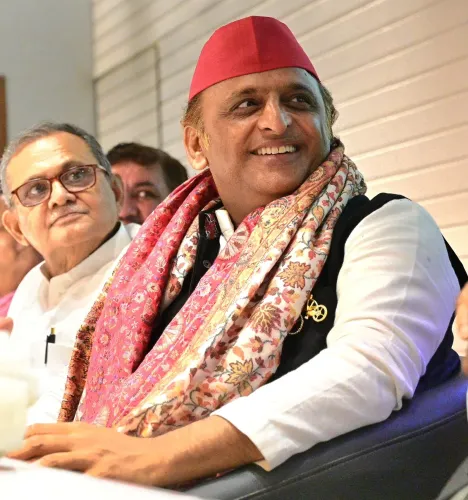
Samajwadi Party president Akhilesh Yadav on October 16 championed his PDA social coalition — uniting Backward Classes, Dalits and Minorities — vowing that public votes will shatter BJP's rule in Uttar Pradesh ahead of the 2027 assembly elections.
Key Takeaways
Akhilesh Yadav posted on October 16, 2026 reaffirming the Samajwadi Party's PDA (Pichhda-Dalit-Alpsankhyak) coalition strategy.
PDA frames its appeal around 'love, compassion, and belonging' — positioning itself as a moral movement, not just caste arithmetic.
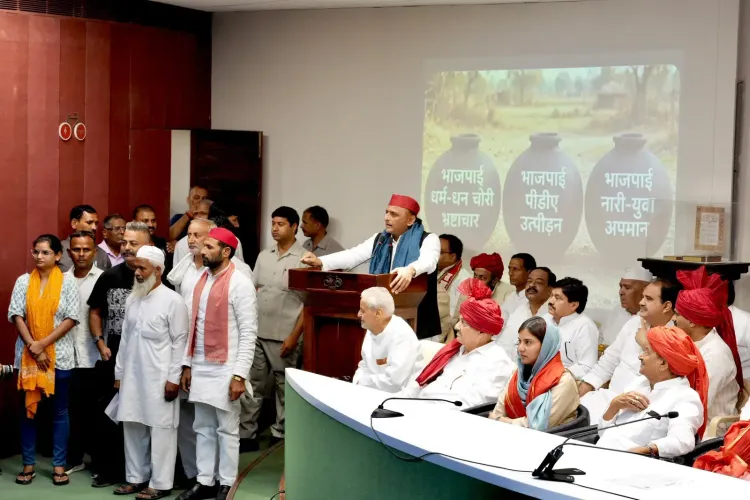
Yadav declared that the public will defeat the BJP with their votes, using the Hindi idiom paap ka ghada (vessel of sins) to signal inevitable collapse.
The PDA strategy was first deployed prominently in the 2022 Uttar Pradesh assembly elections to consolidate OBC, Dalit and minority voters.
Uttar Pradesh's 2027 assembly elections are the primary target, with SP accelerating outreach campaigns now.
Uttar Pradesh, India's most populous state, sends the largest single bloc to the Lok Sabha, making the contest nationally significant.
A coalition built on love, compassion, and belonging — that is how Samajwadi Party president Akhilesh Yadav described the PDA formula on Friday, October 16, 2026, as he declared that the BJP's era in power will end, never to return.
Posting on X, Yadav wrote in Hindi: 'PDA ke prem, daya, apnaapan ka sauhardpurna sakaratmak sandesh har din naye logon ko jod raha hai. Bhrasht BJP ke paap ka ghada janta apne vote se todegi. BJP jayegi phir kabhi nahi aayegi!' — which translates as: 'The harmonious, positive message of PDA's love, compassion, and belonging is connecting new people every day. The public will shatter corrupt BJP's vessel of sins with their votes. BJP will go and will never come back!'
What PDA is — and why it matters in UP politics
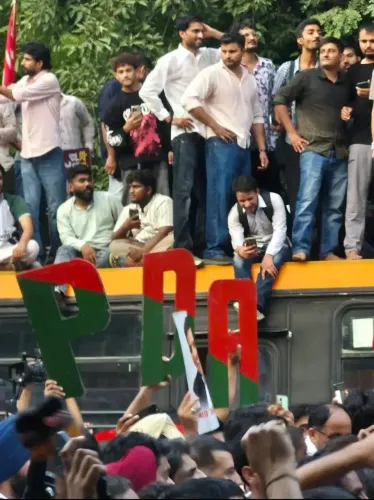
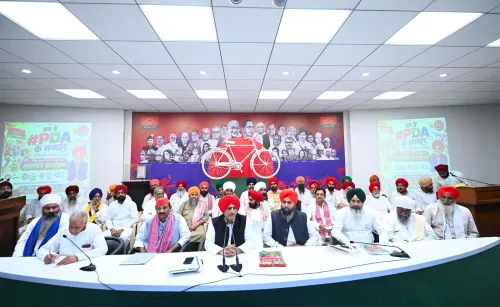
PDA stands for Pichhda-Dalit-Alpsankhyak — Backward Classes, Dalits, and Minorities. The Samajwadi Party designed this social coalition formula to consolidate a broad, numerically significant bloc of voters who have historically been split across caste and community lines. The strategy surfaced prominently during the 2022 Uttar Pradesh assembly elections, as SP sought to pull non-Yadav OBC voters, Dalit communities, and minority groups under a single electoral tent.
The framing Yadav uses is deliberate: 'love, compassion, and belonging' positions PDA not as a transactional caste arithmetic but as a moral and emotional movement — a counter-language to what SP describes as BJP's divisive governance model. It is coalition-building dressed as a value proposition.
The 'vessel of sins' metaphor and the 2027 target
The phrase 'paap ka ghada' — literally, a pot overflowing with sins — is a loaded idiom in Hindi political culture. It implies an accumulation of wrongdoing so heavy that collapse becomes inevitable. Yadav is not just attacking the BJP; he is signalling to voters that electoral retribution is a natural, unavoidable culmination.
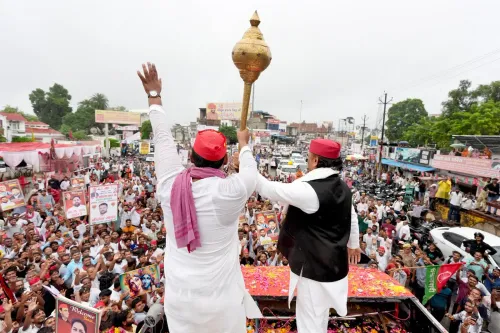
The declaration 'BJP will go and will never come back' is the sharpest line in the post — a finality that goes beyond standard opposition rhetoric. With Uttar Pradesh assembly elections due in 2027, the SP is clearly accelerating its ground campaign. The PDA outreach machine, which SP claims is adding new supporters daily, is the vehicle Yadav is betting his political future on.
A long game with high stakes in India's most populous state
Uttar Pradesh, with over 240 million people, sends the largest single bloc of MPs to the Lok Sabha. Whoever controls Lucknow shapes national politics in ways no other state can match. For the Samajwadi Party — currently the principal opposition force in the state — cracking the BJP's grip would be among the most consequential results in Indian politics this decade.
Whether PDA's coalition arithmetic can translate into booth-level delivery is the central question. The strategy's appeal to dignity and solidarity is real; the organisational challenge of holding such a diverse alliance together against a well-resourced incumbent is equally real.
The vessel, Yadav insists, is about to break. The 2027 verdict will decide whether the metaphor holds.
Point of View
Where the ruling party holds narrative advantages. For the BJP, the risk is that repeated association with 'corruption' becomes sticky among swing OBC voters who have drifted between parties across cycles. The real test for PDA is not sentiment but structural delivery: whether the coalition can hold across UP's 403 constituencies without fracturing under local caste rivalries.
NationPress
16 Oct 2026
Frequently Asked Questions
What is PDA in the context of Samajwadi Party?
PDA stands for Pichhda-Dalit-Alpsankhyak — a social coalition of Backward Classes, Dalits and Minorities that the Samajwadi Party has developed as its core electoral strategy, particularly for Uttar Pradesh assembly elections.
What did Akhilesh Yadav say about BJP on October 16 2026?
Akhilesh Yadav said that the public will 'shatter BJP's vessel of sins' with their votes and declared that 'BJP will go and will never come back,' framing the party's defeat as inevitable ahead of the 2027 UP elections.
When are the next Uttar Pradesh assembly elections?
The next Uttar Pradesh assembly elections are scheduled for 2027. The Samajwadi Party is currently running PDA outreach campaigns to consolidate its coalition ahead of that contest.
What does 'paap ka ghada' mean in Hindi politics?
'Paap ka ghada' literally means 'a vessel overflowing with sins' — a Hindi idiom used to suggest that wrongdoing has accumulated to a breaking point and that consequences are imminent. Akhilesh Yadav used it to frame BJP's governance as ripe for electoral rejection.
Why is Uttar Pradesh important for national politics?
Uttar Pradesh is India's most populous state with over 240 million people, and it sends the largest single bloc of Members of Parliament to the Lok Sabha, making control of the state highly consequential for national political power.