Amarnath Yatra 2026 ends as Chhari Mubarak reaches cave shrine on Raksha Bandhan
Synopsis
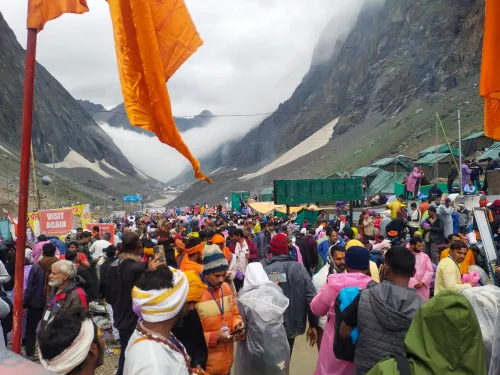
The Amarnath Yatra 2026 closed on Raksha Bandhan with the Chhari Mubarak's arrival at the 3,880-metre cave shrine — a 57-day pilgrimage that drew over 4.80 lakh devotees, survived landslide disruptions from August 9, and ended without a single terror incident despite unprecedented security measures.
Key Takeaways
The Amarnath Yatra 2026 (SANJY-2026) officially concluded on 28 August 2026 , coinciding with Raksha Bandhan .
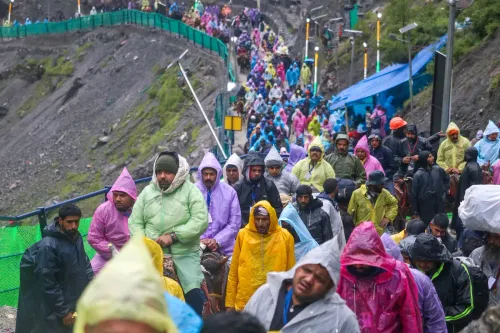
Over 4.80 lakh pilgrims completed the 57-day yatra via the Pahalgam and Baltal base camp routes.
42 pilgrims died of natural causes — high-altitude sickness and cardiac failure — during the pilgrimage.
Track movement was suspended from 9 August due to cloudbursts, heavy rain, and landslides; services resumed after repairs.
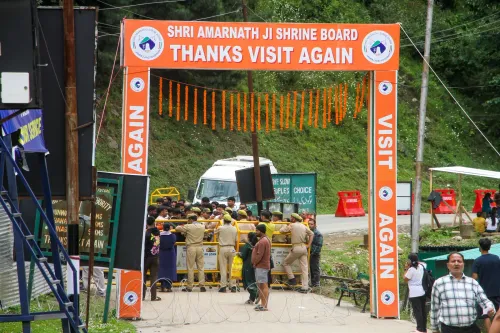
The yatra concluded without any terror-related incident; security was described as unprecedented, with helicopter services also suspended.
The ritual Visarjan of the Chhari Mubarak in the Lidder River, Pahalgam is scheduled for 30 August 2026 .
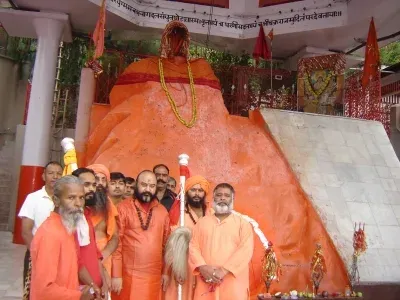
The Shri Amarnath Ji Yatra 2026 (SANJY-2026) officially concluded on Friday, 28 August 2026, as the Chhari Mubarak (Lord Shiva's Holy Mace) arrived at the sacred Amarnath cave shrine in south Kashmir's Anantnag district and the final puja was performed inside. The 57-day annual pilgrimage ended coinciding with the Raksha Bandhan festival, closing peacefully without any terror-related incident.
Final Rituals and Samapan Puja
Mahant Deependra Giri, the custodian of the Chhari Mubarak, led morning prayers and Vedic chanting inside the 3,880-metre-high cave shrine. Lieutenant Governor Manoj Sinha, who heads the Shri Amarnath Ji Shrine Board (SASB), performed the Samapan Puja to formally mark the end of the yatra. He thanked security forces, local residents, and volunteers for their services throughout the pilgrimage.
Devotee Turnout and Route Details
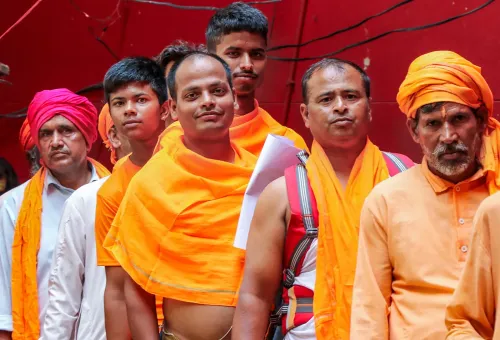
According to SASB estimates, over 4.80 lakh devotees undertook the spiritual pilgrimage this year, travelling via the traditional Pahalgam base camp route in north Kashmir and the shorter Baltal base camp route. The yatra drew pilgrims from across India to one of Hinduism's most revered high-altitude shrines.
Deaths, Disruptions, and Security
A total of 42 pilgrims died of natural causes — attributed to high-altitude sickness and cardiac failure — during the 2026 yatra. Authorities temporarily halted movement from both base camp routes from 9 August after tracks were damaged by heavy rain, cloudbursts, and landslides. Maintenance work was subsequently carried out to restore access. Security arrangements were described as unprecedented this year, with even helicopter services suspended as a precautionary measure.
Significance of the Shrine
The Amarnath cave shrine, nestled in the Kashmir Himalayas, houses a naturally occurring ice stalagmite structure that waxes and wanes in accordance with the lunar cycle. Devotees believe the formation symbolises the mythical powers of Lord Shiva, making the annual pilgrimage one of the most spiritually significant in the Hindu calendar.
What Comes Next
The culmination of the pilgrimage timeline includes the return journey of the Chhari Mubarak and the ritual river immersion, or Visarjan, in the Lidder River in Pahalgam, scheduled for 30 August 2026. With the yatra closing incident-free, authorities are expected to begin a post-yatra review of infrastructure and security protocols ahead of the 2027 edition.
Point of View
Particularly given the suspension of helicopter services — an unusual step that signals how seriously authorities treated threat assessments this year. Yet the death of 42 pilgrims from natural causes, while attributed to altitude sickness and cardiac failure, raises a recurring question about medical preparedness at a 3,880-metre shrine that draws hundreds of thousands of pilgrims annually. The August 9 landslide disruption also underscores the yatra's chronic vulnerability to extreme weather — a risk that will only intensify as climate patterns shift. The real test for SASB is whether post-yatra reviews translate into structural improvements in medical infrastructure and weather-resilient trail management, or remain administrative formalities before the next season.
NationPress
12 Oct 2026
Frequently Asked Questions
When did the Amarnath Yatra 2026 officially conclude?
The Amarnath Yatra 2026 officially concluded on Friday, 28 August 2026, coinciding with the Raksha Bandhan festival. The formal end was marked by the arrival of the Chhari Mubarak at the cave shrine and the Samapan Puja performed by Lieutenant Governor Manoj Sinha.
How many pilgrims completed the Amarnath Yatra 2026?
According to SASB estimates, over 4.80 lakh devotees completed the 57-day pilgrimage via the Pahalgam and Baltal base camp routes in 2026.
How many deaths were recorded during Amarnath Yatra 2026?
A total of 42 pilgrims died of natural causes during the 2026 yatra, with high-altitude sickness and cardiac failure cited as the reasons. There were no terror-related fatalities.
Why was the yatra disrupted in August 2026?
Authorities halted movement from both base camp routes from 9 August 2026 after heavy rain, cloudbursts, and landslides damaged the tracks. Services resumed after maintenance and repair work was completed.
What is the significance of the Chhari Mubarak in the Amarnath Yatra?
The Chhari Mubarak, or Lord Shiva's Holy Mace, is the most sacred object of the Amarnath pilgrimage. Its custodian, Mahant Deependra Giri, leads it to the cave shrine to formally conclude the yatra, after which the mace is immersed in the Lidder River at Pahalgam in a ritual called Visarjan.