Amit Shah Congratulates 2026 Padma Award Recipients
Synopsis
Union Home Minister Amit Shah congratulated recipients of the 2026 Padma Awards, conferred by the President of India, saying the honours have been redefined under PM Modi to recognise grassroots 'unsung impact-makers' and strengthen participatory democracy.
Key Takeaways
Union Home Minister Amit Shah congratulated 2026 Padma Award recipients on June 23, 2026 .
The Padma Awards — Padma Vibhushan , Padma Bhushan and Padma Shri — were first instituted in 1954 .
Shah credited PM Modi 's leadership with redefining the awards to honour 'unsung impact-makers' over established public figures.
Post- 2014 guidelines expanded nominations to include more women, remote-district residents and grassroots workers.
The Ministry of Home Affairs processes Padma Award nominations before Presidential approval.
The government frames the awards as a tool to strengthen 'participatory democracy' and citizen engagement.
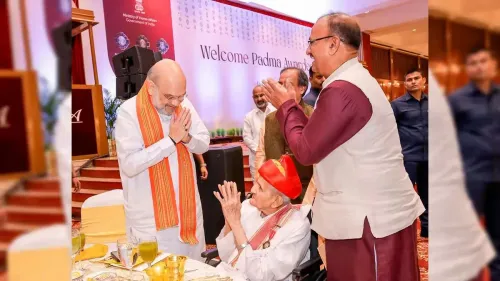
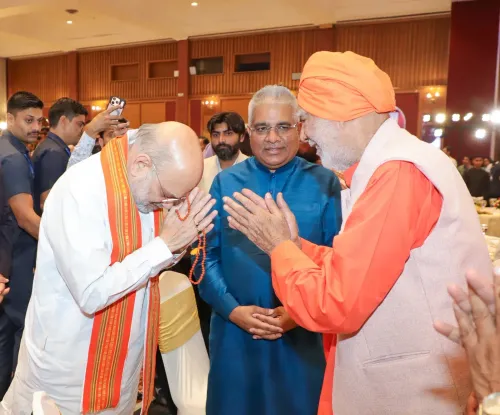
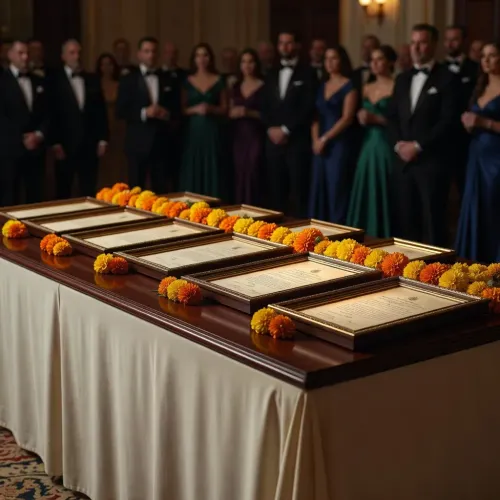
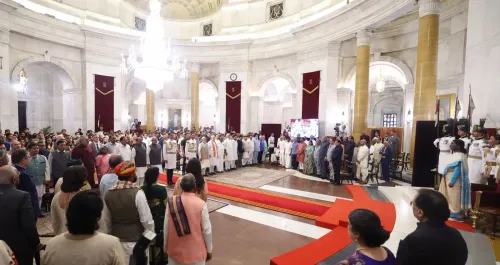
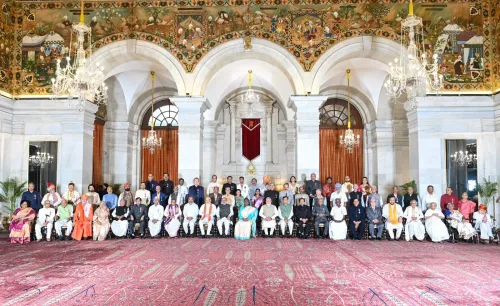
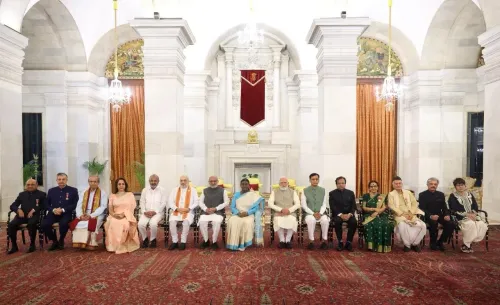
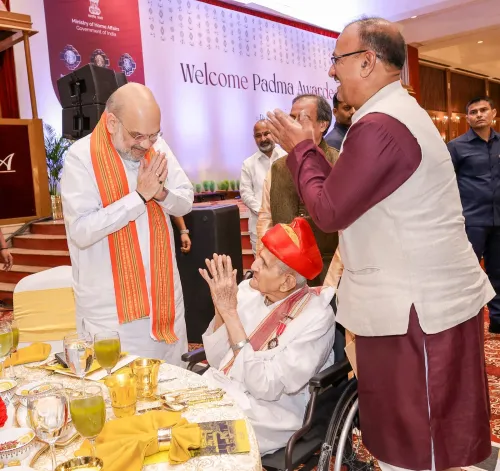
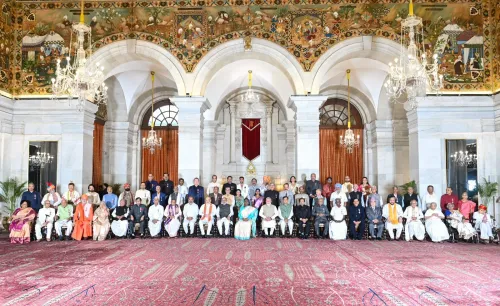
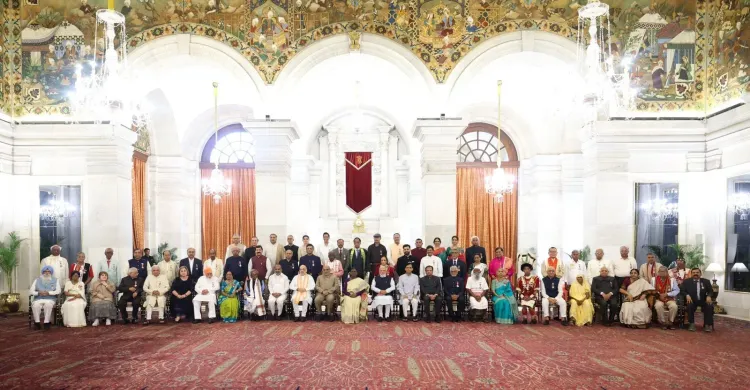
Union Home Minister Amit Shah on Tuesday, June 23, 2026, congratulated the recipients of the Padma Awards, conferred by the President of India at a ceremonial investiture, calling the honours a recognition of individuals who have made a 'real impact on society through selfless service.'
Context
In his post, Shah described the awards as having been 'redefined' under Prime Minister Narendra Modi's leadership to move beyond established public figures and reach those he called 'unsung impact-makers.' He added that the awards 'strengthen participatory democracy by inspiring citizens to become stakeholders in change.'
The Padma Awards — comprising Padma Vibhushan, Padma Bhushan and Padma Shri — are India's highest civilian honours in their respective categories. The Ministry of Home Affairs, headed by Shah, processes nominations and makes recommendations before they are approved by the President.
Policy Backdrop
The Padma Awards were first instituted in 1954 to recognise distinguished service across art, literature, science, public service and allied fields. Post-2014 guidelines broadened the nomination pool to include greater representation from remote districts, women and grassroots workers — a shift the present government has consistently highlighted.
Successive administrations have used the Padma Awards to signal policy priorities. The current government has repeatedly drawn attention to awards given to lesser-known individuals engaged in community service and local development, framing the selection as a departure from a perceived bias towards metropolitan elites.
Stakeholders and Impact
The emphasis on 'unsung' recipients has direct implications for social workers, grassroots volunteers and practitioners of traditional arts or crafts from smaller towns and rural areas, who now form a more prominent share of the awardee pool. Advocates for such communities say the recognition carries practical value beyond ceremony — raising visibility for causes and disciplines that often struggle for institutional support.
For the broader public, the framing of Padma Awards as a vehicle for 'participatory democracy' reflects a deliberate communications strategy: positioning citizens as active contributors to national life rather than passive beneficiaries of state policy.
What's Next
Attention will now turn to the formal announcement of the complete 2026 Padma Awards list and any further statements from the Ministry of Home Affairs regarding the nomination and selection process. The government has previously encouraged members of the public and institutions to submit nominations through an online portal, and observers will watch whether further procedural changes are announced ahead of the 2027 cycle.
The investiture ceremony marks a moment when the government's stated commitment to grassroots recognition is measured against the actual profile of recipients — a scrutiny that is likely to intensify as the full list of 2026 awardees enters public discourse.
Point of View
' Shah reinforces a counter-narrative to longstanding criticism that such awards historically favoured urban elites and political insiders. The framing also serves an internal party purpose: it attributes the reformed selection process directly to Modi's leadership, keeping the Prime Minister's image central even in ceremonial moments. As the full 2026 awardee list enters public scrutiny, the government's rhetoric will be tested against the actual diversity of recipients.
NationPress
23 Jun 2026
Frequently Asked Questions
Who receives the Padma Awards in India?
The Padma Awards are India's highest civilian honours, given to individuals who have made distinguished contributions in fields such as art, literature, science, public service, sports and social work. Since post-2014 guideline changes, the pool has been expanded to include more grassroots workers, women and people from remote districts.
What did Amit Shah say about the 2026 Padma Awards?
Union Home Minister Amit Shah congratulated the 2026 Padma Award recipients on June 23, 2026, saying the awards have been redefined under PM Modi to honour 'unsung impact-makers' and to strengthen participatory democracy.
What are the three categories of Padma Awards?
The three categories are Padma Vibhushan (the highest), Padma Bhushan (the second highest) and Padma Shri, each recognising distinguished service of different degrees in various fields.
When were the Padma Awards first instituted?
The Padma Awards were first instituted in 1954 to recognise distinguished service in art, literature, science, public service and allied fields.
Who presents the Padma Awards in India?
The President of India presents the Padma Awards at a ceremonial investiture, typically held at Rashtrapati Bhavan in New Delhi. The Ministry of Home Affairs processes and recommends nominations before Presidential approval.