Bhupender Yadav Congratulates Padma Awards 2026 Awardees
Synopsis
Union Environment Minister Bhupender Yadav congratulated all Padma Awards 2026 recipients on 25 May, praising the honours as a symbol of PM Modi's commitment to recognising ordinary Indians whose silent service has shaped the nation at the grassroots level.
Key Takeaways
Union Environment Minister Bhupender Yadav congratulated all Padma Awards 2026 recipients on 25 May 2026 .
The Padma Awards — Padma Vibhushan, Padma Bhushan, and Padma Shri — are India's highest civilian honours after the Bharat Ratna, instituted in 1954 .
Selection norms were revised in 2017 to widen nominations beyond established names and include recommendations from state governments and civil society.
Since 2014 , successive Padma lists have shown a documented rise in awardees from rural and non-metropolitan backgrounds.
Yadav credited PM Narendra Modi 's leadership with transforming the awards into a celebration of 'extraordinary contributions by ordinary Indians.' The next Padma list is expected to be announced on the eve of Republic Day, 26 January , followed by an investiture at Rashtrapati Bhavan .
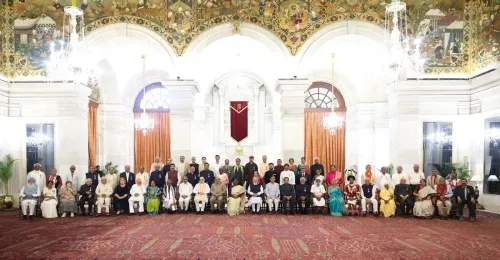
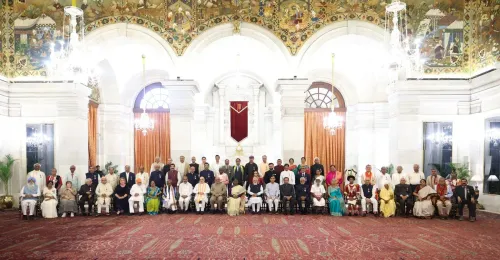
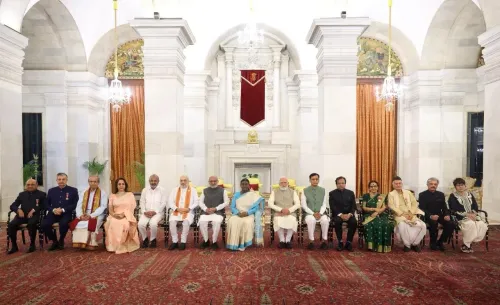
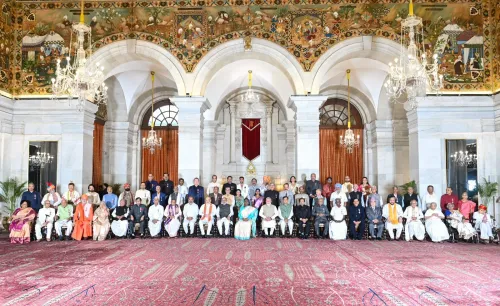
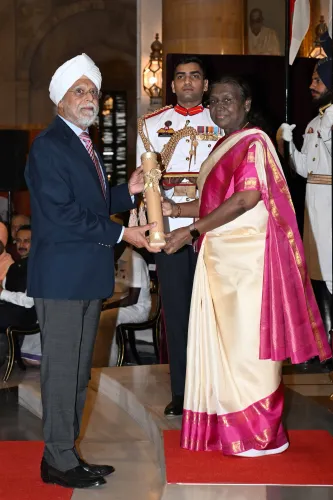
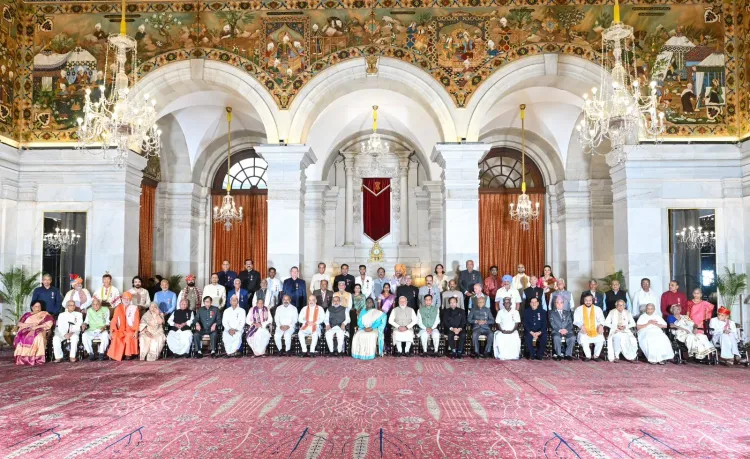
Union Environment Minister Bhupender Yadav on Monday, 25 May 2026 extended congratulations to all recipients of the Padma Awards, presented by the President of India at a ceremony honouring individuals for distinguished service across diverse fields. The minister praised the awards as a reflection of a 'changing India' and credited the selections with recognising grassroots contributors over institutional names.
Context
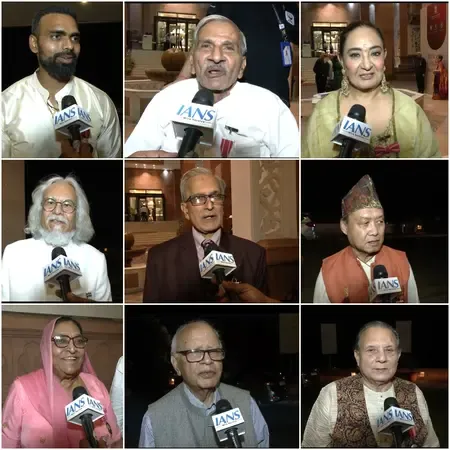
Yadav described the Padma Awards as 'a celebration of extraordinary contributions by ordinary Indians working silently for nation-building.' His post, shared on the evening of the investiture ceremony, highlighted the government's stated emphasis on honouring individuals whose impact is felt at the community level rather than in metropolitan or institutional circles.
The Padma Awards — comprising Padma Vibhushan, Padma Bhushan, and Padma Shri — are India's highest civilian honours after the Bharat Ratna. They were first instituted in 1954 and are conferred annually by the President of India.
Policy Backdrop
In 2017, the selection framework for the Padma Awards was revised to broaden the nomination pool, encouraging recommendations from state governments, district administrations, and civil society organisations. The reform was aimed at surfacing unrecognised contributors from rural and non-metropolitan India who would otherwise be overlooked by a process dominated by established institutions.
Since 2014, successive Padma lists have documented a rise in awardees from rural districts working in areas such as sanitation, traditional knowledge, folk arts, and community health — a pattern consistent with the government's stated 'Antyodaya' philosophy of uplifting the last person in the queue. Yadav's post explicitly invokes this framing, noting that Prime Minister Narendra Modi's leadership has reshaped the awards into a platform for grassroots recognition.
Stakeholders and Impact
The primary beneficiaries of the reformed Padma process are individuals who have spent years — often decades — in voluntary or community-driven work with little public visibility. Fields such as tribal welfare, natural farming, indigenous medicine, and disaster relief have seen increased representation in recent lists.
For grassroots workers and unsung volunteers across India, the Padma recognition carries significant symbolic weight: it signals state acknowledgement of work done outside formal government or corporate structures. Civil society groups that facilitate nominations have also gained a more formal role in the process since the 2017 reforms.
What's Next
The next Padma Awards cycle will follow the established calendar: nominations open through the year, the final list is announced on the eve of Republic Day (26 January), and the investiture ceremony is held at Rashtrapati Bhavan in the months that follow. Observers will watch whether the trend of recognising non-metropolitan contributors continues to deepen in the coming lists.
The government's consistent messaging around grassroots Padma recipients suggests the awards will remain a visible instrument for communicating its 'New India' narrative ahead of future electoral and policy cycles.
Point of View
It reinforces a BJP narrative that the party has democratised state recognition. The emphasis on 'ordinary Indians working silently' serves a dual purpose — honouring genuine grassroots contributors while drawing a contrast with pre-2014 award patterns that critics characterised as favouring the elite. As the 2027 electoral cycle approaches, the Padma platform will likely remain a soft-power tool for communicating inclusive governance. The minister's social media amplification of the ceremony also reflects the BJP's disciplined practice of using senior leaders' digital presence to reinforce central government messaging.
NationPress
9 Oct 2026
Frequently Asked Questions
What are the Padma Awards in India?
The Padma Awards are India's highest civilian honours after the Bharat Ratna, given in three categories — Padma Vibhushan, Padma Bhushan, and Padma Shri — for distinguished service in various fields. They were instituted in 1954 and are conferred annually by the President of India.
When are Padma Awards announced every year?
The Padma Awards list is announced on the eve of Republic Day, 26 January, each year. The investiture ceremony is held subsequently at Rashtrapati Bhavan in New Delhi.
How were Padma Award selection rules changed under Modi government?
In 2017, the selection framework was revised to broaden the nomination pool by encouraging recommendations from state governments, district administrations, and civil society, aiming to surface unrecognised contributors from rural and non-metropolitan India.
Who is Bhupender Yadav?
Bhupender Yadav is a senior BJP leader serving as Union Minister of Environment, Forest and Climate Change in the Government of India.
What is the Antyodaya philosophy linked to Padma Awards?
'Antyodaya' — meaning upliftment of the last person — is a guiding principle the BJP government has cited to explain its emphasis on honouring grassroots workers, rural contributors, and individuals from non-elite backgrounds through the Padma Awards since 2014.