Amit Shah in Jalandhar to close BJP's Nasha Mukt Punjab Yatra
Synopsis
Union Home Minister Amit Shah announced he will conclude BJP's Nasha Mukt Punjab Yatra in Jalandhar on 30 September 2026, attacking the AAP government's handling of Punjab's drug crisis and pledging to meet affected families in person.
Key Takeaways
The Nasha Mukt Punjab Yatra was launched by the BJP on 18 September 2026 to mobilise Punjab's villages against drug abuse.
Union Home Minister Amit Shah is attending the closing ceremony in Jalandhar on 30 September 2026 .
Shah directly blamed the AAP government's 'poor governance' for Punjab's continuing drug crisis.
The yatra covered villages across the state, focusing on youth outreach and community awareness.
The campaign aligns with the central government's Nasha Mukt Bharat Abhiyan , launched in 2020 across 272 districts .
Shah committed to meeting families directly affected by drug addiction at the Jalandhar event.
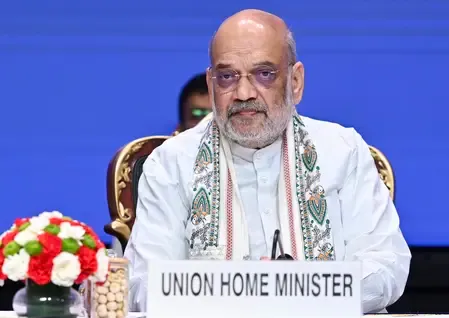
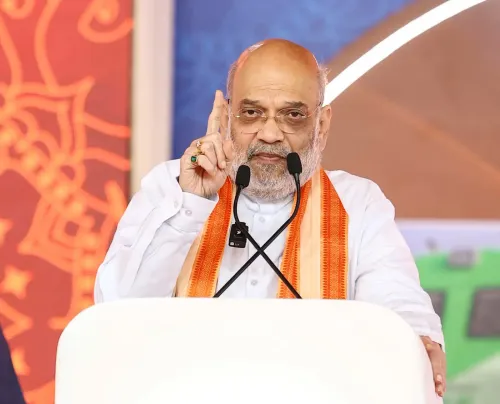
Twelve days of village-to-village outreach across Punjab — and today they end where the campaign's message was always meant to land hardest. Union Home Minister Amit Shah announced on Wednesday, 30 September 2026 that he will attend the concluding ceremony of the Nasha Mukt Punjab Yatra in Jalandhar, meeting families directly affected by the state's drug crisis.
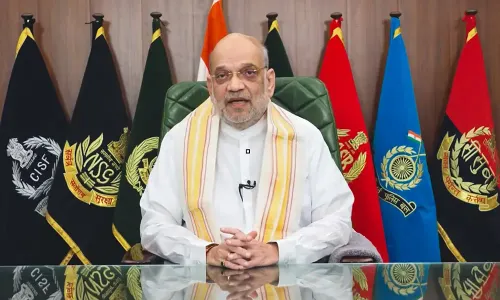
Writing in Punjabi on X, Shah framed the yatra as a direct response to what he called the maada raaj-prabandh ('poor governance') of the Aam Aadmi Party government in Punjab. 'Punjab is grappling with a serious drug problem due to the AAP government's misrule,' he wrote, adding that the BJP launched the yatra on 18 September to unite the people of Punjab in a 'decisive fight against drugs'. He said the campaign reached every village in the state, raising awareness and inspiring youth to join the movement.
A yatra built village by village
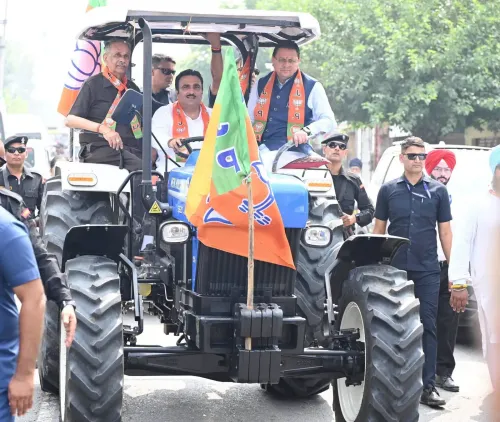
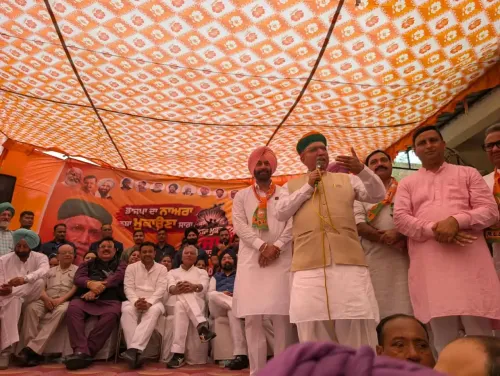
The Nasha Mukt Punjab Yatra, launched on 18 September 2026, was designed as a grassroots mobilisation drive — not a single-stage rally but a rolling procession through Punjab's rural belt. The BJP aimed to put party workers face-to-face with communities where drug dependency has hollowed out households and robbed young men of livelihoods. Shah confirmed he will personally meet families 'bearing the pain of drugs' at today's closing event, framing the interaction as an act of solidarity rather than just political optics.
Punjab's drug crisis as a political fault line
The drug menace has been a defining electoral issue in Punjab since at least 2017, surfacing in every assembly cycle and shaping the fortunes of multiple parties. AAP swept to power in the 2022 assembly elections partly on promises to eradicate narcotics trafficking and addiction — commitments the BJP is now loudly contesting. The Jalandhar closing event allows Shah and the party to plant a visible marker: that four-plus years on, the problem persists and the ruling party owns it.
The national backdrop matters here too. The Ministry of Social Justice rolled out the Nasha Mukt Bharat Abhiyan in 2020, targeting 272 districts across India with awareness drives and rehabilitation support. Punjab's state-level crisis sits within that larger federal architecture — and Shah's visit sharpens the contrast between central-level anti-drug policy ambition and what the BJP characterises as state-level inaction.
What Shah said he will do in Jalandhar today
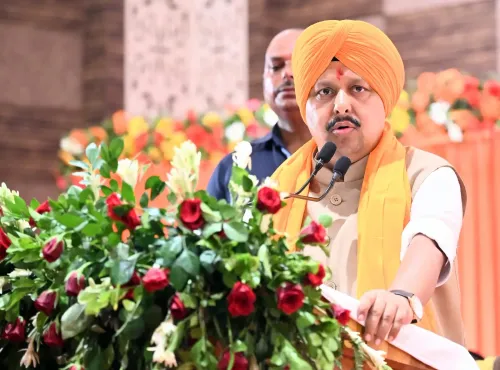
Beyond the public rally, Shah specifically said he will hold direct meetings — roo-ba-roo ('face to face') — with residents and sit with families devastated by addiction. That personal-outreach framing is deliberate: it elevates the event above a standard political address and positions the BJP as the empathetic alternative to an administration it accuses of negligence. Youth mobilisation, a recurring theme across the twelve-day yatra, will be front and centre at the culmination in Jalandhar.
Whether today's show of solidarity translates into concrete policy demands — additional central funding for de-addiction centres, stricter border enforcement against narcotics inflows, or coordinated intelligence sharing — will be the real test of the campaign's staying power once the microphones go quiet.
Point of View
The BJP is attempting to occupy both the policy high ground — associating itself with the central Nasha Mukt Bharat Abhiyan — and the emotional terrain of affected families. The move also signals that central leadership is willing to invest political capital in a state where the party currently lacks power, keeping pressure on the AAP administration. How the state government responds, and whether any joint anti-narcotics coordination emerges, will determine if this remains political theatre or seeds real policy action.
NationPress
30 Sept 2026
Frequently Asked Questions
What is the Nasha Mukt Punjab Yatra?
The Nasha Mukt Punjab Yatra is a BJP-organised awareness campaign launched on 18 September 2026 to mobilise communities across Punjab's villages against drug abuse and addiction, culminating in a closing event in Jalandhar on 30 September 2026.
Why is Amit Shah visiting Jalandhar today?
Amit Shah is attending the concluding ceremony of the Nasha Mukt Punjab Yatra in Jalandhar on 30 September 2026, where he will address the public and meet families affected by Punjab's drug crisis.
What is BJP's criticism of AAP on Punjab's drug problem?
The BJP, led by Union Home Minister Amit Shah, accuses the AAP government in Punjab of 'poor governance' that has allowed the state's drug problem to worsen since the party came to power in the 2022 assembly elections.
What is the Nasha Mukt Bharat Abhiyan?
The Nasha Mukt Bharat Abhiyan is a central government programme launched in 2020 by the Ministry of Social Justice, targeting 272 districts across India with anti-drug awareness drives and rehabilitation support.
How long has Punjab's drug problem been a political issue?
Punjab's drug crisis has been a major electoral issue since at least the 2017 state assembly elections, with multiple parties — including AAP in 2022 — making drug eradication a central campaign promise.