Amit Shah Inaugurates Twin Hostels for 1,600 Students in Ahmedabad
Synopsis
Union Home Minister Amit Shah on 28 May 2026 inaugurated twin student hostels at Umiya Mata Sansthan in Ahmedabad — a ₹104 crore, 13-floor green complex spanning 4,34,000 sq ft, offering 1,600 students from remote Gujarat access to e-libraries, gym, high-speed Wi-Fi and RO water.
Key Takeaways
Union Home Minister Amit Shah inaugurated the J.S.
Patel Boys Hostel and Tapasvi Kumar Arvindabhai Patel Girls Hostel at Umiya Mata Sansthan, Ahmedabad on 28 May 2026 .
The complex was built at a cost of ₹104 crore across 4,34,000 square feet and 13 floors .
The facility can accommodate 1,600 students , primarily from remote and peripheral regions of Gujarat.
Amenities include 3 e-libraries , a gymnasium, high-speed Wi-Fi, RO water, and parking — designated as a 'green hostel'.
The project is positioned to support students' pathways from education to employment, innovation, and entrepreneurship.
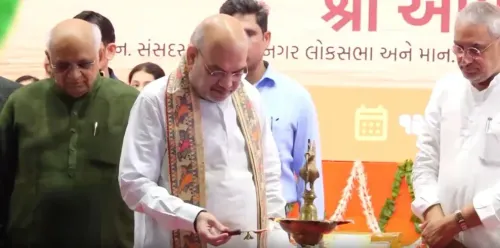
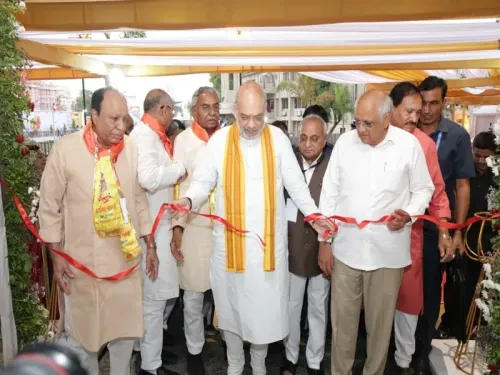
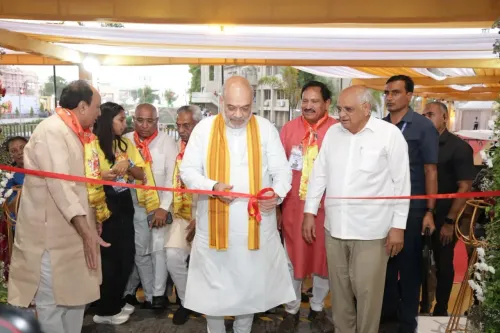
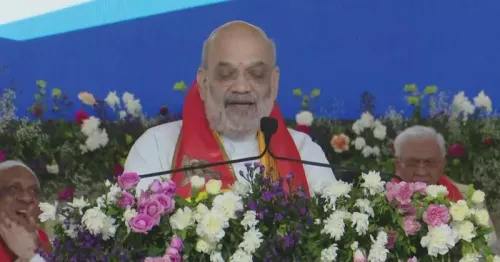
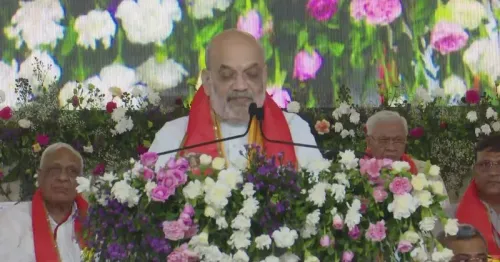
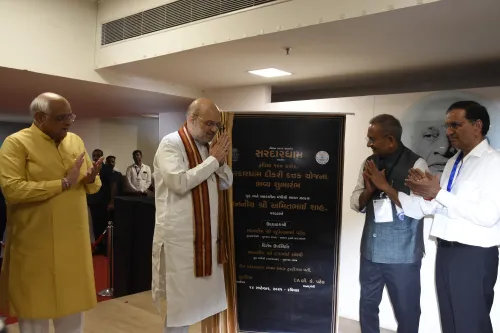
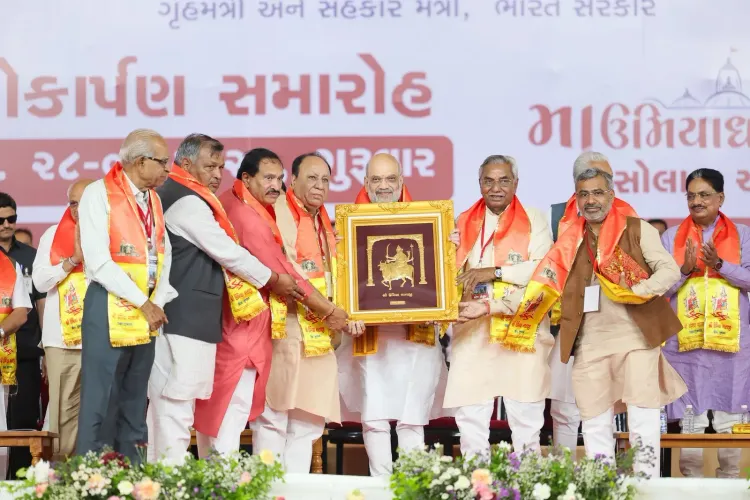
Union Home Minister Amit Shah on Thursday, 28 May 2026 inaugurated two newly constructed student hostels — the J.S. Patel Boys Hostel and the Tapasvi Kumar Arvindabhai Patel Girls Hostel — at the Umiya Mata Sansthan in Ahmedabad, providing residential facilities for up to 1,600 students.
Context
Shah announced the inauguration on X, posting in a mix of Hindi and Gujarati. The post stated that the twin hostel complex, spread across 4,34,000 square feet across 13 floors, was built at a cost of ₹104 crore. The facility is designed to serve students arriving from remote and peripheral regions of Gujarat, offering them a base to pursue education, employment, innovation, and entrepreneurship.
In his post, Shah described the complex as a 'ગ્રીન હોસ્ટેલ' (green hostel) equipped with 3 state-of-the-art e-libraries, a gymnasium, high-speed Wi-Fi, RO water, and parking. He framed the infrastructure as a 'significant foundation for the bright future' of students from underserved areas.
Policy Backdrop
The inauguration aligns with the priorities outlined under the National Education Policy 2020, which called for expanding quality hostel infrastructure and digital facilities at educational institutions to improve access for students from remote regions. Providing residential infrastructure has been a recurring theme in efforts to bridge the urban-rural education gap.
The Umiya Mata Sansthan is a community institution in Ahmedabad associated with the Kadva Patidar community, with a long-standing focus on student welfare, hostel facilities, and cultural programmes. Community-managed trusts in Gujarat have executed several such infrastructure projects over the past decade, often with support from state and central government figures.
Stakeholders and Impact
The primary beneficiaries are students — both boys and girls — travelling from rural and remote parts of Gujarat to pursue higher education in Ahmedabad. The 1,600-capacity facility addresses a persistent shortage of affordable, quality residential accommodation for such students in the city.
The inclusion of e-libraries and high-speed internet connectivity is intended to give students from less-connected regions access to digital learning resources on par with urban peers. The emphasis on entrepreneurship and innovation pathways signals an intent to link residential infrastructure with broader skill and livelihood outcomes for Gujarat's youth.
What's Next
The inauguration is expected to draw attention to similar hostel projects being planned or under construction in other Gujarat districts. Observers will watch whether the state government integrates this facility with existing skill-development or entrepreneurship schemes targeting youth from peripheral areas. The rollout of comparable community-trust-led projects across the state remains a space to track in the coming months.
Point of View
Particularly ahead of any electoral cycle. By personally presiding over the event and amplifying it on social media, Shah reinforces his identity as a Gujarat-rooted leader even while holding a national portfolio. The framing of hostel infrastructure as a bridge to employment and entrepreneurship — rather than merely residential welfare — reflects a deliberate alignment with the broader NEP 2020 and Skill India narrative. The project also signals that community-trust-led educational infrastructure remains a politically salient model in Gujarat, one likely to be replicated across districts.
NationPress
19 Sept 2026
Frequently Asked Questions
What did Amit Shah inaugurate in Ahmedabad on 28 May 2026?
Amit Shah inaugurated the J.S. Patel Boys Hostel and the Tapasvi Kumar Arvindabhai Patel Girls Hostel at the Umiya Mata Sansthan in Ahmedabad — a ₹104 crore, 13-floor green hostel complex for 1,600 students.
What is the Umiya Mata Sansthan in Ahmedabad?
Umiya Mata Sansthan is a community institution in Ahmedabad associated with the Kadva Patidar community, focused on student welfare, hostel facilities, and cultural programmes.
How many students can the new Ahmedabad hostel accommodate?
The new twin-hostel complex at Umiya Mata Sansthan can accommodate up to 1,600 students — both boys and girls — from remote and peripheral areas of Gujarat.
What facilities are available in the new green hostel in Ahmedabad?
The hostel offers 3 state-of-the-art e-libraries, a gymnasium, high-speed Wi-Fi, RO drinking water, and parking, spread across 4,34,000 square feet on 13 floors.
How much did the Umiya Mata Sansthan hostel cost to build?
The twin-hostel complex at Umiya Mata Sansthan was built at a total cost of ₹104 crore.