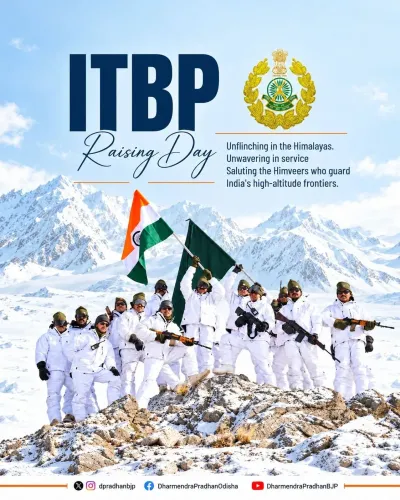
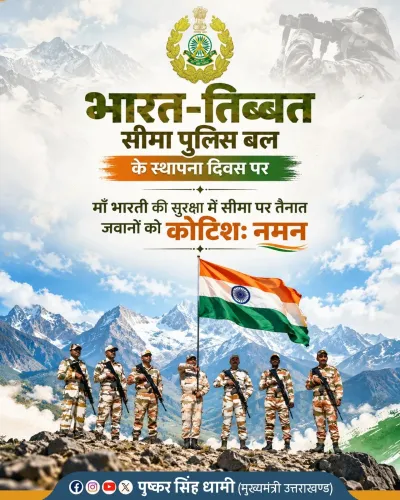
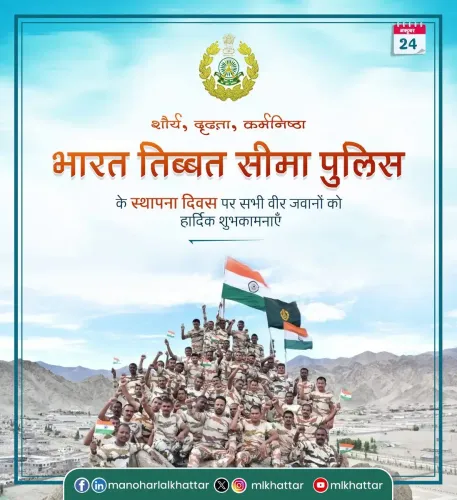
Amit Shah salutes ITBP on its 64th Raising Day
Synopsis
Union Home Minister Amit Shah on 24 October 2026 extended Raising Day greetings to the ITBP, praising the 'Himveers' for their high-altitude vigil along India's northern borders and paying homage to the force's martyrs on its 64th anniversary.
Key Takeaways
24 October 2026 marks the 64th Raising Day of the Indo-Tibetan Border Police (ITBP).
The ITBP was raised on 24 October 1962 in the immediate aftermath of the Sino-Indian War to guard the Himalayan frontier.
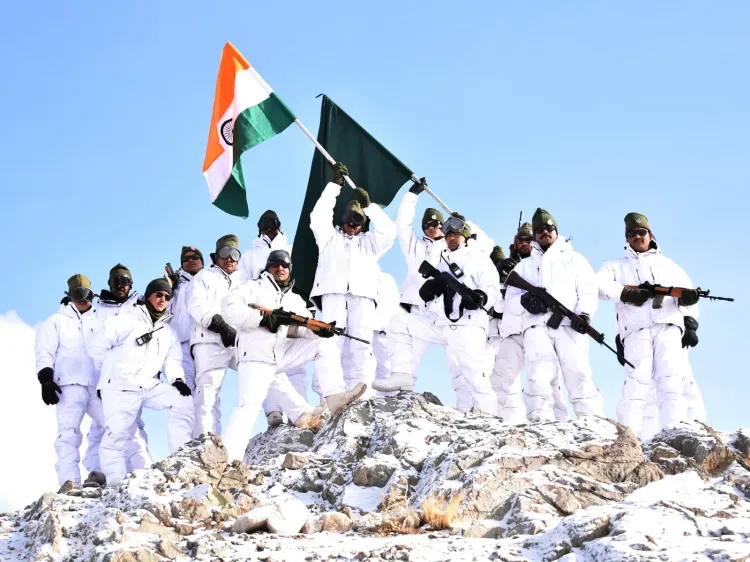
Union Home Minister Amit Shah saluted ITBP personnel — known as Himveers — for their service in extreme high-altitude conditions.
Shah's tribute specifically honoured martyrs who 'made the supreme sacrifice for the nation.' The ITBP operates under the Ministry of Home Affairs , making Shah its administrative head among central armed police forces.
The force's mandate has expanded alongside growing infrastructure along the Line of Actual Control .
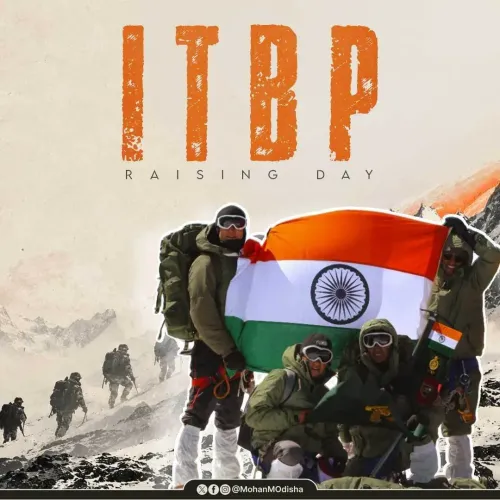
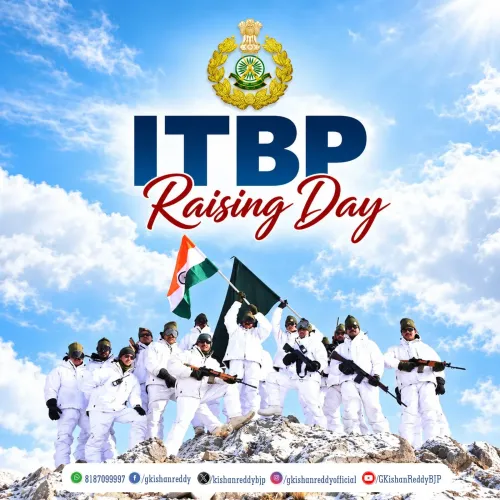
Sixty-four years ago, with the Himalayan frontier still raw from the wounds of the 1962 Sino-Indian War, India raised a force specifically built for the world's most unforgiving terrain. On Saturday, 24 October 2026, Union Home Minister Amit Shah marked the anniversary by saluting the Himveers — the hardy personnel of the Indo-Tibetan Border Police (ITBP) — honouring both the living who guard the heights and the martyrs who never came down.
Born of war, forged in ice
The ITBP was formally raised on 24 October 1962 — a date that carries particular weight, coinciding almost exactly with the worst days of that brief, bruising conflict with China. The force's founding mission was simple and stark: hold India's northern borders along the Line of Actual Control (LAC) through terrain where altitude alone can incapacitate soldiers. Shah's message captured that founding logic precisely: 'The roar of their valour echoes through the snow-clad mountains, reducing every threat to our nation's security to rubble.'
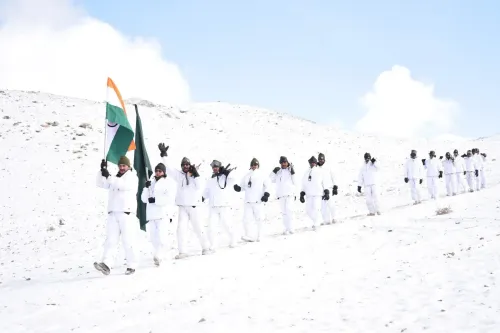
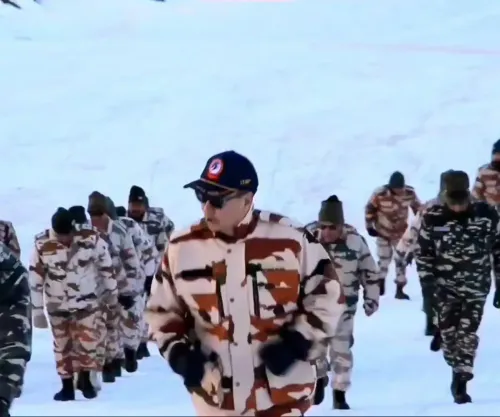
The Himveers — a name meaning 'heroes of the snow' — operate at altitudes that can exceed 18,000 feet, where oxygen is thin, temperatures plunge, and logistics chains stretch to their limits. Shah's tribute acknowledged that geography itself is an adversary: 'Their tenacity in withstanding the harshest climates symbolises India's steely resolve for security.'
Home Ministry's sentinel on the northern frontier
The ITBP operates under the Ministry of Home Affairs, placing it directly under Shah's administrative charge alongside other Central Armed Police Forces. That chain of command makes Raising Day messages from the Home Minister more than ceremonial — they reflect institutional ownership of the northern border's first line of response. The force's mandate has steadily expanded over the decades, tracking the growth of road infrastructure and tunnels being pushed toward the LAC.
Shah reserved a solemn closing line for those who did not return: 'Salutations to the martyrs who made the supreme sacrifice for the nation.' The tribute places individual sacrifice at the centre of a larger national security architecture — a reminder that the statistics of border management are underwritten by human cost.
A 64-year legacy at the roof of the world
Successive governments have used ITBP Raising Day to reaffirm political commitment to high-altitude border security. What has changed over those six decades is the complexity of the mission — from early foot patrols on contested ridgelines to the present challenge of monitoring a frontier where infrastructure on both sides has grown substantially. The Himveers' institutional memory now spans every major tension point along India's northern border.
As the ITBP begins its 65th year, the question of modernisation — high-altitude equipment, force accretion, and surveillance technology — will continue to animate both budgetary debates and strategic planning in New Delhi. For now, on a crisp October morning, a nation's gratitude travels upward to the heights where the Himveers keep watch.
Point of View
His language of 'steely resolve' and reducing threats 'to rubble' signals continued political prioritisation of the northern frontier at a time when LAC infrastructure competition remains active. Raising Day tributes from successive Home Ministers have served as a consistent signal of institutional commitment to high-altitude border management, reinforcing the ITBP's identity as a specialised force distinct from the Army. The pointed homage to martyrs also keeps public attention on the human cost of Himalayan security, a narrative that sustains political and budgetary support for force modernisation. Taken together, the message reinforces the BJP-led government's broader posture of projecting strength on the India-China border without naming adversaries explicitly.
NationPress
24 Oct 2026
Frequently Asked Questions
When was the ITBP founded and why?
The Indo-Tibetan Border Police was raised on 24 October 1962 , in the immediate aftermath of the Sino-Indian War, specifically to guard India's long Himalayan border with China along the Line of Actual Control.
What does 'Himveers' mean?
'Himveers' is the official nickname for ITBP personnel — it broadly translates to 'heroes of the snow' or 'brave ones of the Himalayas,' reflecting the extreme high-altitude conditions in which they serve.
Why did Amit Shah send greetings to the ITBP?
As Union Home Minister, Amit Shah is the administrative head of the ITBP, which functions under the Ministry of Home Affairs. He extended Raising Day greetings on 24 October 2026 — the force's 64th anniversary — saluting its personnel and martyrs.
What is the ITBP's role on the India-China border?
The ITBP is India's primary border-guarding force along the Line of Actual Control with China, patrolling and holding posts at altitudes that can exceed 18,000 feet across some of the world's harshest terrain.
How long has the ITBP been operational in 2026?
The ITBP completes 64 years of service on 24 October 2026 , having been raised in 1962. It enters its 65th year continuing its mission of guarding India's northern Himalayan borders.