Amit Shah slams Rahul Gandhi over Diwali rally timing, cites 1984 riots
Synopsis
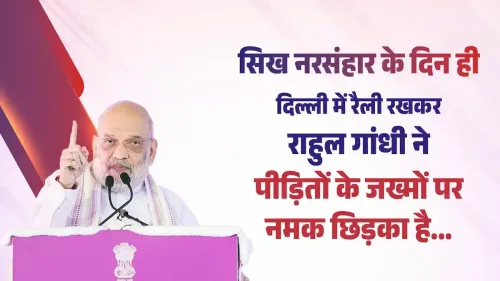
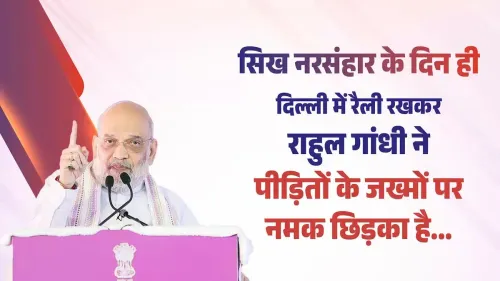
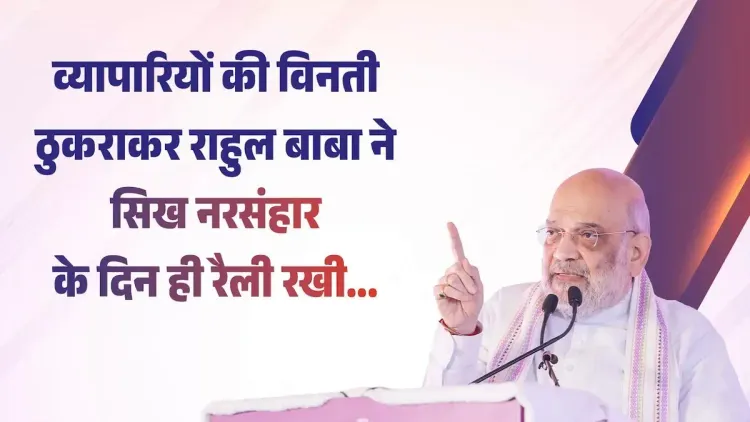
Union Home Minister Amit Shah accused Rahul Gandhi of scheduling a Delhi rally on the anniversary of the 1984 anti-Sikh riots, dismissing pleas from city traders who warned of heavy Diwali-season commercial losses. The charge revives a long-running BJP attack line targeting Congress over the 1984 violence.
Key Takeaways
Union Home Minister Amit Shah posted on 1 November 2026 accusing Rahul Gandhi of holding a rally on the anniversary of the 1984 anti-Sikh riots .
Shah claimed Delhi traders specifically requested that any rally be held after Diwali to avoid heavy losses in festival-season trade.
Gandhi reportedly declined the appeal, according to Shah's post.
The 1984 anti-Sikh riots broke out after the assassination of Prime Minister Indira Gandhi on 31 October 1984 , causing widespread violence in Delhi.
The BJP has consistently invoked the 1984 riots in political messaging against Congress, particularly in Sikh-sensitive constituencies.
Congress had not responded publicly to the rally-timing allegation at the time of Shah's post.
A political flashpoint erupted in Delhi on Sunday, 1 November 2026, when Union Home Minister Amit Shah fired a sharp broadside at Congress leader Rahul Gandhi, accusing him of scheduling a campaign rally on the anniversary of the 1984 anti-Sikh riots — dismissing traders' appeals to avoid the Diwali season altogether.
Shah's post in Hindi charged that Delhi's business community had urged Gandhi to hold any rally only after Diwali, warning of heavy commercial losses if the city's market traffic was disrupted during the peak festival season. 'दीपावली के बाद रैली कीजिए, वरना व्यापार में भारी घाटा होगा' ('Hold the rally after Diwali, otherwise there will be heavy losses in trade') — that was the traders' plea, Shah wrote. Gandhi reportedly refused.
The 1984 date and why it stings
The sharpest edge of Shah's attack is the date itself. 31 October marks the assassination of Prime Minister Indira Gandhi in 1984, an event that triggered days of targeted violence against the Sikh community across Delhi and other cities — one of independent India's darkest episodes. Shah accused 'Rahul Baba' of deliberately choosing that very day for his rally, a framing designed to remind Sikh voters of what BJP leaders consistently describe as Congress's unaddressed culpability for the carnage.
The BJP has made the 1984 anti-Sikh riots a recurring motif in its political messaging against Congress, particularly in Delhi and Punjab-linked constituencies where Sikh sentiment runs deep. Invoking the date now — during what the research indicates is an election-period exchange — amplifies that strategy significantly.
Traders caught in the crossfire
Beyond the historical charge, Shah's post plants a second grievance: that Congress is indifferent to Delhi's small-business community. Diwali is the single most commercially vital period for the capital's wholesale and retail markets. Any large political rally drawing crowds, blocking roads, or pulling footfall away from markets during this window carries real economic cost for shopkeepers and vendors.
By elevating the traders' complaint, Shah frames Congress not just as historically insensitive but as currently tone-deaf to the livelihoods of ordinary Delhiites — a dual charge that will likely echo through campaign messaging in the days ahead.
Congress yet to respond on scheduling
As of the time of posting, Congress had not publicly addressed the rally-timing question or the trader representations Shah cited. The specific rally, its confirmed date, and any formal trader body's statement remain unverified. The political exchange underscores how the 1984 riots continue to function as live ammunition in Indian electoral contests more than four decades after the violence — its moral weight undiminished, its deployment as calculated as ever.
The next move belongs to Congress: explain the schedule, dispute the framing, or stay silent — each choice carries its own cost in a Delhi that votes with memory as much as with expectation.
Point of View
While simultaneously casting the party as anti-trader and festival-season disruptive for Delhi's middle class. The trader-appeal framing is a relatively new addition to an otherwise familiar script, designed to broaden the coalition of aggrieved voters beyond the Sikh community. The timing — on 1 November, the day after the riots' anniversary — ensures maximum resonance on social media before any Congress rebuttal can take shape. Whether Congress engages on the scheduling question or dismisses the charge as political theatre will reveal which electoral calculation its strategists trust more.
NationPress
1 Nov 2026
Frequently Asked Questions
Why is Amit Shah criticising Rahul Gandhi's rally date?
Shah is accusing Gandhi of choosing to hold a Delhi rally on the anniversary of the 1984 anti-Sikh riots — a date Shah calls deeply insensitive — while ignoring traders' requests to postpone the event until after Diwali.
What happened in the 1984 anti-Sikh riots?
The 1984 anti-Sikh riots were days of targeted violence against the Sikh community in Delhi and other Indian cities that erupted following the assassination of Prime Minister Indira Gandhi on 31 October 1984. They remain one of the gravest episodes of communal violence in post-independence India.
Why did Delhi traders ask for the rally to be held after Diwali?
Diwali is the peak commercial period for Delhi's markets. Traders reportedly feared that a large rally would disrupt traffic, reduce footfall, and cause significant losses during the most lucrative trading days of the year.
Is this part of a larger BJP strategy against Congress?
Yes. BJP leaders have repeatedly highlighted Congress's role — or perceived inaction — around the 1984 anti-Sikh riots as a political attack line, especially to appeal to Sikh voters in Delhi and Punjab-linked constituencies during election campaigns.
Has Congress responded to Amit Shah's post about the rally?
As of the time of Shah's post on 1 November 2026, Congress had not publicly addressed the rally-scheduling allegation or the trader representations Shah cited.