Amit Shah visits kin of anti-drug activist Gulzar Singh in Sangrur
Synopsis
Union Home Minister Amit Shah visited the family of late anti-drug activist Gulzar Singh in Sangrur's Tur Banzara village, alleging he was hounded to suicide by drug syndicates. Shah accused the AAP government of blind-eye governance and vowed a crackdown if BJP forms the next Punjab government.
Key Takeaways
Amit Shah met the family of anti-drug activist Gulzar Singh at Tur Banzara village, Sangrur on October 20, 2026 .
Shah alleged Singh was subjected to intense pressure by narcotics networks and driven to suicide for fighting the drug trade.
He accused the AAP government in Punjab of shutting its eyes to the chitta (heroin) trade .
Shah promised that once BJP forms a government in Punjab , a definitive crackdown on chitta traders will follow.
The visit signals BJP's intent to make the drug crisis a central issue in the run-up to Punjab assembly elections in 2027 .
The Nasha Mukt Bharat Abhiyan (launched 2020 ) remains the central government's stated policy framework on substance abuse.
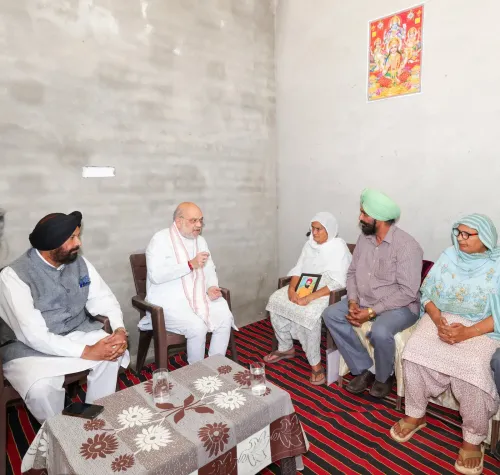
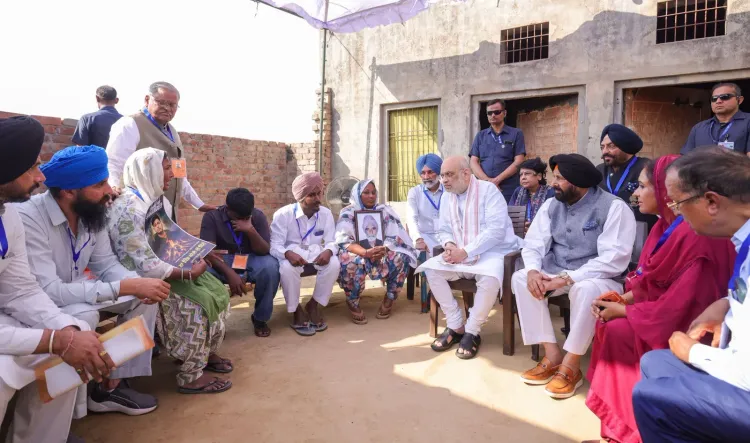
A man who stood up to Punjab's drug syndicates is dead — and Union Home Minister Amit Shah travelled to Tur Banzara village in Sangrur district on Tuesday, October 20, 2026 to sit with the family he left behind. Shah alleged that anti-drug activist Gulzar Singh was driven to suicide by sustained pressure from narcotics networks, and turned the visit into a sharp political indictment of the Aam Aadmi Party (AAP) government in Punjab.
Gulzar Singh's story and the Sangrur visit
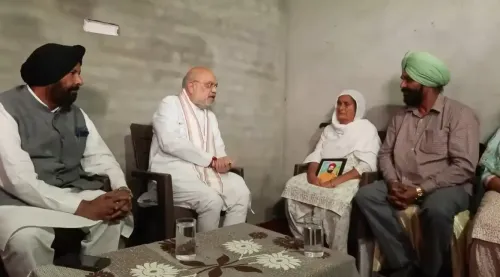
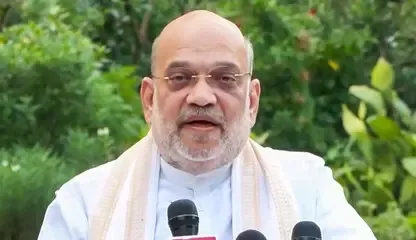
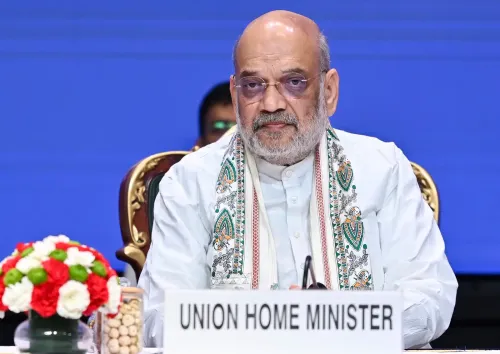
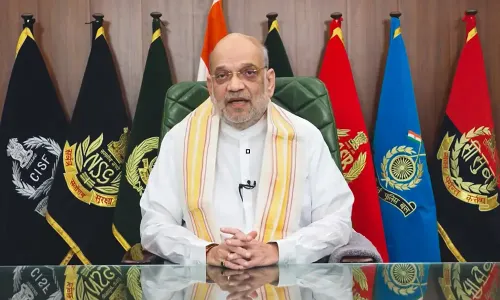
In his post, Shah described Gulzar Singh as a man who fought the drug trade and paid for it with his life. 'Nashe ke karobaar ke khilaf sangharsh karne wale' [one who fought against the narcotics trade], Shah wrote, Singh was subjected to so much pressure that he died by suicide. After meeting the family in Tur Banzara, Shah wrote: 'What this family has lost cannot be compensated.' The four photographs accompanying the post showed the Home Minister seated with grieving relatives.
Sangrur is a district long synonymous with Punjab's drug crisis. It sits in the heartland of a state where heroin — locally called chitta — has carved through a generation of young men, leaving mothers, sisters, and daughters with wounds Shah described as ones that 'can never heal.'
The 'chitta' crisis and Shah's charge against AAP
Shah was unsparing about the ruling party. 'The AAP government has shut its eyes to the dark trade of chitta,' he wrote, using the Punjabi street term for heroin. The charge is not new — BJP leaders have levelled allegations of lax narcotics enforcement against successive non-BJP state governments since at least 2017 — but the context of a sitting activist's death sharpens the accusation considerably.
The AAP swept to power in Punjab in 2022 partly on the promise of cleaning up the state's drug problem. That promise, Shah argued, has gone undelivered. The contrast between that campaign pledge and the alleged fate of a grassroots anti-drug fighter gives the critique its edge.
BJP's countdown pledge and the 2027 Punjab election
Shah closed with an explicit electoral warning: 'The moment our government is formed in the state, the countdown for these chitta traders will begin, and Punjab will be completely free from this dark trade.' The Punjab assembly elections are due in 2027, and the drug issue has already emerged as a defining fault line.
The visit is consistent with the BJP's strategy of using field outreach — meeting affected families in their villages rather than holding press conferences — to anchor its Punjab narrative on ground-level human cost. The Nasha Mukt Bharat Abhiyan, launched by the central government in 2020, provides the policy scaffold; visits like Tuesday's supply the emotional register.
For Punjab's families still counting their losses, the question is no longer whether politicians will talk about the drug crisis. It is whether any of them will end it.
Point of View
BJP attempts to humanise a law-and-order issue ahead of the 2027 Punjab elections. The death of a grassroots anti-drug activist under alleged syndicate pressure allows the BJP to simultaneously attack AAP's governance record and contrast it with the Centre's Nasha Mukt Bharat framework. The broader arc is clear — BJP is rebuilding its Punjab ground game on the same issue that propelled AAP in 2022, betting that four years of perceived AAP inaction have reset voter expectations. Whether the strategy translates depends on whether BJP can offer credible enforcement credentials, not just rhetorical ones.
NationPress
20 Oct 2026
Frequently Asked Questions
Who was Gulzar Singh and why did Amit Shah visit his family?
Gulzar Singh was a Punjab-based anti-drug activist who, according to Shah, was subjected to sustained pressure by narcotics networks and died by suicide. Shah visited his family in Tur Banzara village, Sangrur on October 20, 2026 to express condolences and highlight what he called state government inaction against the drug trade.
What is 'chitta' and why is it a crisis in Punjab?
'Chitta' is a street term for heroin widely used in Punjab. The drug has devastated a generation of young people in the state, contributing to deaths, broken families, and a persistent public health and law-and-order emergency that has been a major political issue since at least the 2017 Punjab elections.
What did Amit Shah say about the AAP government and drugs?
Shah accused the AAP government of turning a blind eye to the chitta trade, saying the party 'has shut its eyes' to heroin trafficking in the state despite having come to power in 2022 partly on an anti-drug platform.
What promise did Amit Shah make about Punjab's drug trade?
Shah pledged that once BJP forms a government in Punjab, a countdown for chitta traders will begin and Punjab will be completely freed from the drug trade. Punjab's next assembly elections are due in 2027.
What is the Nasha Mukt Bharat Abhiyan?
The Nasha Mukt Bharat Abhiyan is a central government scheme launched in 2020 to address substance abuse across India, covering awareness, de-addiction, and enforcement. BJP leaders cite it as evidence of the Centre's commitment to fighting drug networks while accusing non-BJP state governments of failing to act.