Amul, Mother Dairy milk prices rise ₹2-4 per litre from 12 November
Synopsis
Two of India's biggest dairy brands moved together on 12 November 2026, raising milk prices by ₹2–4 per litre — the second Amul hike this year. The trigger: fodder costs up 20%, operational costs up 25%. With both Amul and Mother Dairy acting in unison, more regional players are likely to follow, deepening household food inflation at an already sensitive time.
Key Takeaways
Amul and Mother Dairy raised liquid milk prices by ₹2–4 per litre effective 12 November 2026 .
Amul Taaza toned milk rose by ₹2 per litre ( 3.3% ); Amul Gold rose by ₹4 per litre ( 5.5% ).
This is the second Amul price hike in 2026 , following an earlier revision in May .
Green and dry fodder prices have risen by up to 20% ; cattle feed costs by around 10% over the past year.
Packaging, transportation, and operational costs have climbed by up to 25% , according to Mother Dairy.
Regional dairy brands are expected to reassess their pricing in the coming weeks.
Amul and Mother Dairy, two of India's largest dairy brands, raised liquid milk prices by ₹2–4 per litre effective 12 November 2026, citing surging fodder, cattle feed, packaging, and transportation costs. The hike affects consumers across major cities and towns nationwide, making this the second Amul price revision of the year.
What Changes at the Counter
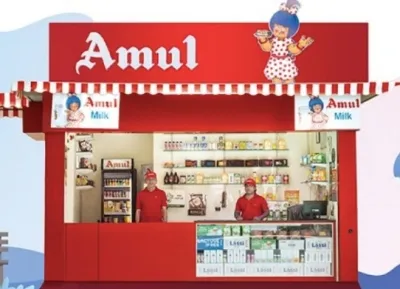
The Gujarat Co-operative Milk Marketing Federation (GCMMF), which markets dairy products under the Amul brand, announced a 4–5 per cent increase across fresh pouch milk variants and pack sizes. Amul Taaza toned milk — the brand's largest-selling variant with 3 per cent milk fat — has gone up by ₹2 per litre, a rise of 3.3 per cent. Amul Gold milk with 6 per cent milk fat now costs ₹4 more per litre, a jump of 5.5 per cent.
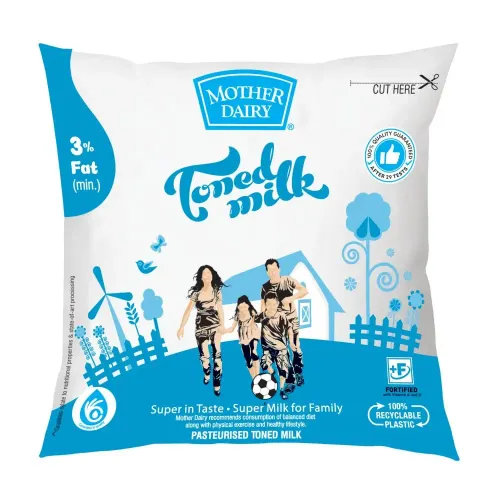
Mother Dairy announced an identical revision of ₹2–4 per litre across its liquid milk variants, also effective 12 November 2026. The company confirmed the change in a formal statement.
Why Prices Are Going Up
Both companies pointed to a confluence of input-side pressures that have made milk production and distribution significantly costlier over the past year. Mother Dairy said uneven monsoon conditions across several regions have pushed green and dry fodder prices up by as much as 20 per cent, while cattle feed costs have risen around 10 per cent over the last year.
A Mother Dairy spokesperson added that packaging, transportation, and other operational costs have climbed by up to 25 per cent due to persistent inflationary pressures. GCMMF echoed similar concerns, attributing the revision to rising expenses across fodder, cattle feed, packaging, and logistics.
Second Hike This Year for Amul
For Amul consumers, Thursday's increase marks the second price revision in 2026, following an earlier hike announced in May. The back-to-back increases reflect sustained cost pressures in the dairy supply chain rather than a one-off shock. Notably, India's retail food inflation has remained elevated through much of the year, and the dairy sector — dependent on seasonal fodder cycles and fuel-linked logistics — has been among the harder-hit segments.
Impact on Consumers and Dairy Farmers
Households that rely on packaged milk — particularly in urban centres where loose milk supply is limited — will bear the increase directly. For dairy farmers, however, the revision may partially offset the squeeze from rising input costs that co-operatives and private processors have been absorbing. Industry observers have noted that timely price corrections are necessary to sustain farmer-level procurement prices, though the burden on end consumers remains a concern amid broader cost-of-living pressures.
With two of the country's dominant milk brands moving in tandem, other regional dairy players are likely to reassess their own pricing in the weeks ahead.
Point of View
Where packaged milk is non-negotiable and no substitution is available. The co-operative model, designed partly to insulate consumers, is itself absorbing these shocks and passing them on — suggesting the buffer it historically provided is thinning. If regional brands follow suit, as is likely, the cumulative milk price inflation in 2026 will be a material contributor to the household CPI basket.
NationPress
12 Nov 2026
Frequently Asked Questions
How much have Amul and Mother Dairy increased milk prices?
Both Amul and Mother Dairy have raised liquid milk prices by ₹2–4 per litre effective 12 November 2026. Specifically, Amul Taaza toned milk has gone up by ₹2 per litre and Amul Gold milk by ₹4 per litre.
Why are Amul and Mother Dairy raising milk prices?
The companies cited a sharp rise in input and operational costs: green and dry fodder prices have risen by up to 20%, cattle feed by around 10%, and packaging and transportation costs by up to 25% over the past year. Uneven monsoon conditions have further stressed fodder availability.
Is this the first milk price hike by Amul in 2026?
No, this is the second Amul price revision in 2026. The first hike was announced in May. Mother Dairy's current revision also reflects similar sustained cost pressures across the dairy supply chain.
Which Amul milk variants are affected by the price hike?
The hike covers fresh pouch milk variants across major pack sizes. Amul Taaza toned milk (3% fat) has increased by ₹2 per litre, while Amul Gold milk (6% fat) has risen by ₹4 per litre, as part of a 4–5% overall increase.
Will other dairy brands also raise milk prices?
While only Amul and Mother Dairy have made formal announcements so far, industry observers expect regional dairy players to reassess their pricing in the coming weeks given that the same input cost pressures — fodder, cattle feed, logistics — affect the broader sector.