Nandini milk price hike: Karnataka's ₹8/litre increase takes effect on November 1

Synopsis
Karnataka's Nandini milk now costs ₹8 more per litre — and curd has jumped ₹14 per kg — as of 1 November 2026. With BAMUL chief D.K. Suresh apologising even as he defends the hike, and CM Shivakumar invoking drought and cow welfare, the revision lays bare the tension between farmer support and consumer affordability in one of India's largest dairy states.
Key Takeaways
Nandini milk prices rose by ₹8 per litre across Karnataka effective 1 November 2026 .
Curd prices increased from ₹54 to ₹68 per kg , a hike of ₹14 per kg .
BAMUL President D.K.
Suresh apologised for the hike but said it was necessary to protect dairy farmers' livelihoods.
Shivakumar cited ongoing drought, declining milk production, and the need to fund cattle feed as key reasons for the revision.
The government acknowledged a farmer demand for a ₹12 per litre hike; the implemented increase was moderated to ₹8 .
Bengaluru consumers have expressed resentment, with criticism directed at simultaneous hikes across multiple dairy products.
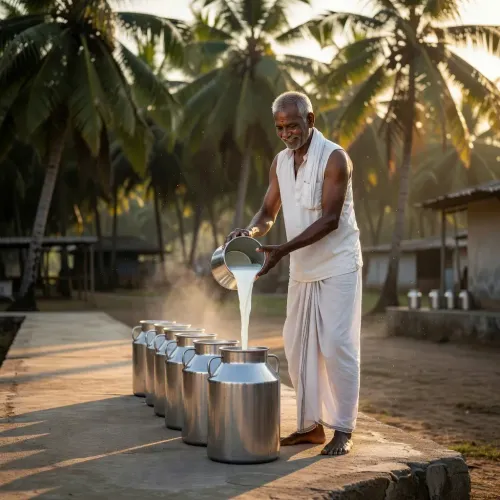
The ₹8 per litre hike in Nandini milk prices came into effect across Karnataka on 1 November 2026, drawing sharp resentment from consumers in Bengaluru even as Bengaluru Milk Union Limited (BAMUL) President D.K. Suresh defended the revision as a necessary step to protect the livelihoods of dairy farmers. The increase was announced jointly by the Karnataka government and the Karnataka Milk Federation (KMF).
What Has Changed in Milk and Dairy Prices
Under the revised pricing, retail consumers will pay ₹8 more per litre for Nandini milk starting Sunday. Curd prices have also been revised upward — from ₹54 to ₹68 per kg, an increase of ₹14 per kg — adding to the overall cost burden on households. The simultaneous increase across multiple dairy products has intensified criticism against the state government.
Notably, BAMUL President Suresh acknowledged that there had been a demand to raise prices by as much as ₹12 per litre, suggesting the implemented hike was a moderated response. He also pointed out that milk prices in neighbouring states are significantly higher than Karnataka's revised rates.
What BAMUL and the Government Said
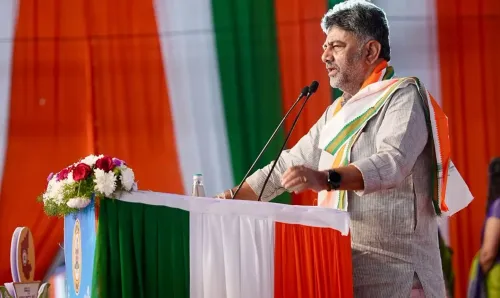
D.K. Suresh, who is also the younger brother of Karnataka Chief Minister D.K. Shivakumar, addressed a public gathering and offered an apology even while justifying the decision. 'If farmers survive, all of us will survive. Nandini milk will cost you more, but it is good news for farmers. I apologise for the price hike, but farmers will have to survive,' he said.
Suresh appealed to consumers to continue supporting the Nandini brand — including its milk, ghee, and paneer — calling the products 'healthier.' He also said the government was empowering farmers 'under the leadership of Chief Minister D.K. Shivakumar.'
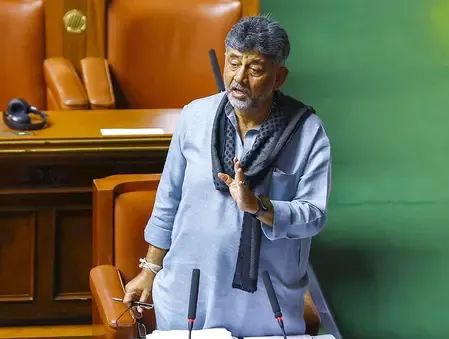
Chief Minister Shivakumar, speaking to reporters in Bengaluru on Saturday, said the decision 'was taken to protect farmers and ensure proper care of gau matas (cows) during the ongoing drought period.' He stressed that declining milk production due to drought had made the hike unavoidable, and that farmers needed adequate income to sustain cattle feed. 'We should protect Gau matas during this drought period. We have taken this decision after giving it careful thought for years,' he said.
Why Consumers Are Unhappy
Bengaluru residents were seen expressing anger over the price revision, criticising the state government for what they see as an added financial burden. The revision comes at a time when household budgets are already strained by broader inflationary pressures. While the government has defended the move on farmer welfare grounds, critics argue that the simultaneous hike in curd prices — which Shivakumar said the government could not directly control — compounds the impact on middle-class and lower-income consumers.
This comes amid a period of declining milk output in Karnataka, which the government has attributed to ongoing drought conditions affecting fodder availability and cattle health across the state.
Broader Context and What Comes Next
The Nandini brand, managed by KMF, is one of the most recognised dairy cooperatives in South India and a direct competitor to national brands in the region. Price revisions for Nandini products are politically sensitive given the brand's deep consumer base and its role as a price anchor in Karnataka's dairy market.
The government's framing — linking the hike to drought relief and farmer welfare — is likely to face continued scrutiny as consumers track whether procurement prices paid to farmers are raised in commensurate proportion. How Karnataka manages consumer sentiment in the weeks following the revision will be closely watched, especially given the political profile of both Shivakumar and Suresh.
Point of View
The government's admission that it cannot control curd prices — even as KMF sets retail milk rates — points to a structural gap in cooperative dairy governance that consumers ultimately absorb. If the hike does not translate into higher farm-gate prices for milk producers, the consumer pain will have served a middleman, not a farmer.
NationPress
1 Nov 2026
Frequently Asked Questions
How much has Nandini milk price increased in Karnataka?
The Karnataka government and KMF have raised the retail price of Nandini milk by ₹8 per litre, effective 1 November 2026. The hike applies across Karnataka, including Bengaluru.
Why has Karnataka increased Nandini milk prices?
The government says the hike is intended to improve returns for dairy farmers, particularly during an ongoing drought that has reduced milk production and made cattle feed more expensive. CM D.K. Shivakumar stated the decision was taken to protect farmers and ensure adequate care for cattle.
Have curd prices also increased along with milk?
Yes. Curd prices have been revised from ₹54 to ₹68 per kg — an increase of ₹14 per kg — effective the same date. The government has said it cannot directly control curd prices, as they are linked to fat content and market dynamics.
Who is D.K. Suresh and why is he defending the milk hike?
D.K. Suresh is the President of Bengaluru Milk Union Limited (BAMUL) and the younger brother of Karnataka Chief Minister D.K. Shivakumar. He defended the hike at a public gathering, saying farmer survival depends on better returns from dairy, while apologising to consumers for the increase.
Was a larger milk price hike originally demanded?
Yes. CM Shivakumar acknowledged that there had been a demand to raise milk prices by ₹12 per litre. The government implemented a moderated ₹8 per litre increase, citing the need to balance farmer welfare with consumer affordability.