Andhra Pradesh CM Advocates for Lowering Electric Bus Costs
Synopsis
In a recent meeting, Andhra Pradesh's Chief Minister N. Chandrababu Naidu urged officials to explore strategies to decrease the operational costs of electric buses while promoting public transport efficiency and sustainability.
Key Takeaways
Focus on reducing electric bus operational costs.
Promotion of air-conditioned electric buses and e-cycles.
Emphasis on enhancing charging infrastructure.
Need for robust road maintenance across the state.
Request for special government funding for road repairs.
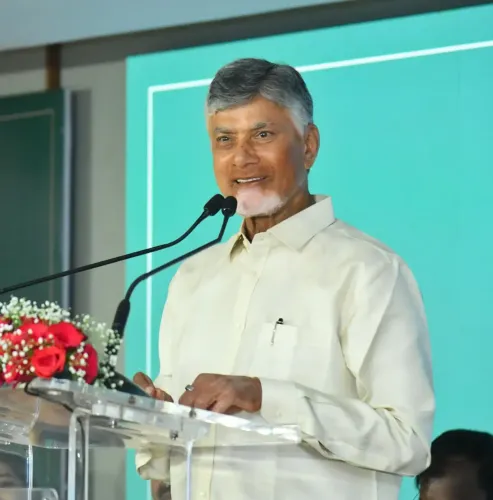
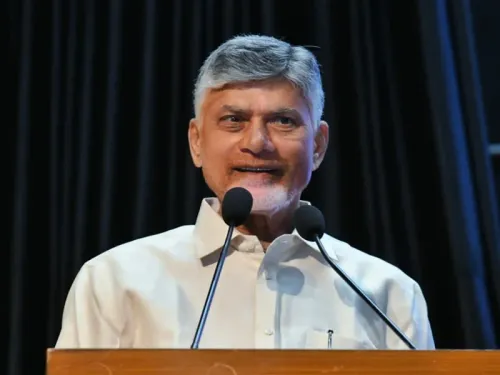
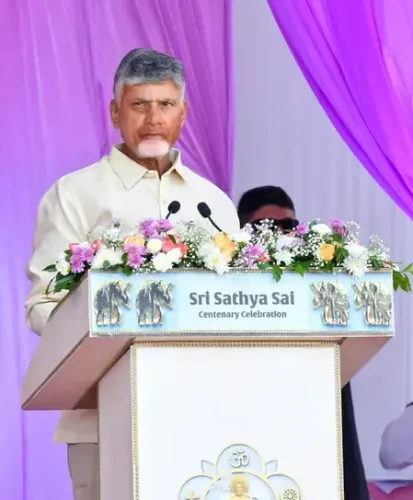
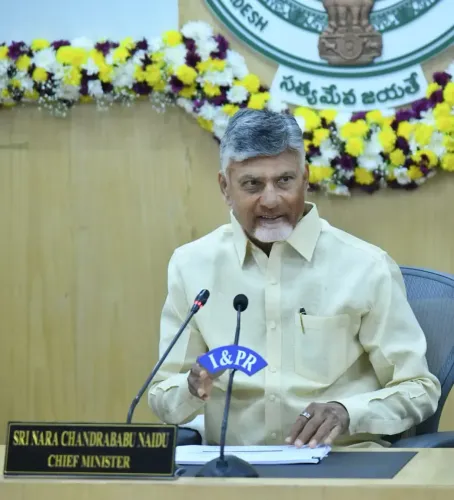
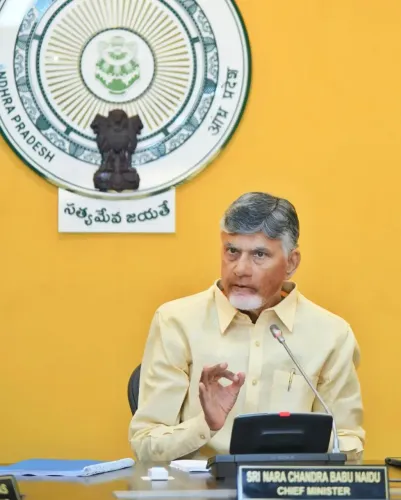
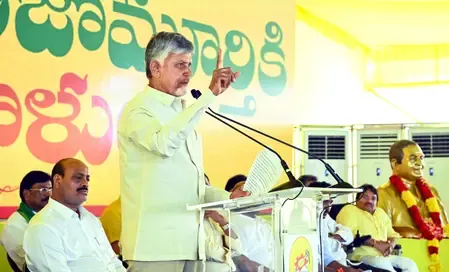
Amaravati, April 8 (NationPress) The Chief Minister of Andhra Pradesh, N. Chandrababu Naidu, has instructed his team on Wednesday to examine different strategies aimed at lowering the operational costs of electric buses.
At present, the operational expense for electric buses stands at approximately Rs 72 per kilometer.
During a review session focused on roads and highways, he urged officials to investigate innovative models that could further reduce these costs. Essential areas of investigation include enhancing charging infrastructure and standardizing battery systems.
Furthermore, he advocated for a gradual transition to air-conditioned electric buses across all categories.
Naidu also proposed promoting e-cycles as a viable mass transportation option by increasing public awareness.
He emphasized that making public transport more affordable is crucial, suggesting that the efficient and expanded use of electric buses is vital to achieving this objective.
Highlighting the benefits of clean fuel, the Chief Minister noted that it not only decreases operational costs but also serves the public interest. He stated that through improved management of solar energy, the state has managed to cut electricity procurement costs by around Rs 1 per unit.
He called for an intensified focus on optimizing fuel costs to enhance service delivery while minimizing expenses.
Naidu urged officials to speed up the construction of both national and state highways to stimulate economic growth throughout the state. He stressed the importance of developing highways that effectively connect the state's ports and link Andhra Pradesh to other regions of the country.
He mentioned that road maintenance must be thorough and ongoing, noting that out of the total 45,433 km of roads in the state, approximately 10,238 km require annual upkeep.
He insisted that potholes must be repaired promptly to prevent public inconvenience.
Officials were directed to study best practices in road maintenance on both national and international levels and to ensure sufficient funding for roads and buildings projects.
The Chief Minister underscored the necessity of considering geographical and climatic factors when it comes to road construction and upkeep.
In regions with black cotton soil, particularly in the Godavari districts, he suggested implementing hybrid models such as BT or white-topping for roads. For the 570 km of canal-side roads that are frequently damaged, he recommended investigating the use of innovative construction materials in collaboration with universities.
With the upcoming Godavari Pushkarams in mind, Naidu instructed that repairs be carried out in the Godavari, Krishna, and Guntur districts. In the Godavari region alone, 531 km of roads will be developed at a cost of Rs 400 crore using SASCI funds. He also directed officials to approach the Central Government for special funding for the Pushkarams, similar to the arrangements made for the Kumbh Mela.
The Chief Minister reiterated the necessity of connecting all national highways to major ports, which serve as vital centers for economic activity. Drawing comparisons to Gujarat's port connectivity model, he emphasized Andhra Pradesh's strategic position on the eastern coast.
He called for the establishment of East-West corridors to significantly lower logistics costs. With nearly 73 percent of cargo currently transported by road, it is essential to reduce road logistics expenses.
He stressed the importance of linking ports such as Mulapeta, Visakhapatnam, Gangavaram, Kakinada, Machilipatnam, Ramayapatnam, and Krishnapatnam with highway networks, including alternate routes to neighboring states.
Ministers B. C. Janardhan Reddy, Mandipalli Ramprasad Reddy, Transport Department Special Chief Secretary Krishna Babu, APSRTC Managing Director Bala Subrahmanyam, along with officials from the National Highways Authority were present.
Point of View
It reflects a national trend towards green energy solutions that could set benchmarks for other regions.
NationPress
14 Sept 2026
Frequently Asked Questions
What is the current operational cost of electric buses in Andhra Pradesh?
The operational cost of electric buses in Andhra Pradesh is approximately Rs 72 per kilometer.
What initiatives did the Chief Minister suggest to reduce costs?
The Chief Minister suggested exploring various models, expanding charging infrastructure, and standardizing battery systems.
How is the state planning to enhance public transport?
The state aims to promote the use of air-conditioned electric buses and e-cycles for mass transport.
What is the significance of road maintenance in this context?
Robust road maintenance is crucial for ensuring efficient public transport and reducing costs associated with road damage.
What funding is being sought for road repairs?
The Chief Minister directed officials to request special funding from the Central Government for road repairs related to the Godavari Pushkarams.