Anurag Thakur Hails Modi's Exam Reform Task Force Under Nilekani
Synopsis
BJP MP Anurag Thakur has lauded PM Narendra Modi for forming a high-powered task force on examination reforms under Nandan Nilekani, calling it a landmark step to harness technology for transparent, leak-proof national exams and restore student faith in merit-based selection.
Key Takeaways
BJP MP Anurag Thakur praised PM Narendra Modi on 26 July 2026 for constituting a high-powered task force on examination reforms.
The task force will be led by Nandan Nilekani , co-founder of Infosys and former UIDAI chairman who built the Aadhaar platform.
The initiative is aimed at making national competitive examinations transparent and leak-proof through technology.
The move follows years of paper-leak scandals in exams such as NEET and JEE that eroded public trust in the National Testing Agency .
The National Education Policy 2020 had earlier recommended technology-enabled, competency-based assessments.
The task force's report and any pilot solutions will be closely watched ahead of the next major NTA examination cycle.
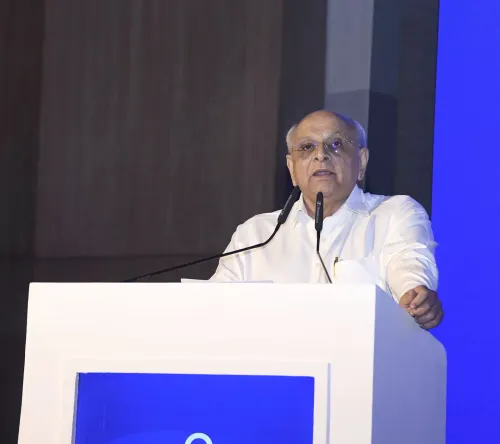
BJP MP Anurag Thakur on Sunday, 26 July 2026 praised Prime Minister Narendra Modi for constituting a high-powered task force on examination reforms, describing the move as 'true statesmanship.' The task force is to be led by Nandan Nilekani, co-founder of Infosys and the architect of India's Aadhaar biometric identity system, and is aimed at making national-level competitive examinations transparent and leak-proof.
Context
Thakur, who represents Hamirpur, Himachal Pradesh in the Lok Sabha and previously served as Union Minister for Information and Broadcasting as well as Youth Affairs and Sports, called the decision 'a landmark step for India's education system.' In his post on X, he wrote that the initiative would 'harness technology for transparent, leak-proof exams, restore faith in the system, and ensure merit prevails for our students.'
The endorsement comes against the backdrop of sustained public anger over repeated paper-leak incidents in high-stakes national examinations, which have shaken confidence in merit-based selection processes across the country.
Policy Backdrop
India's centralised examination architecture has been under stress for several years. The National Testing Agency (NTA), established in 2017 to standardise major entrance tests such as NEET and JEE, faced intense scrutiny after multiple paper-leak controversies eroded public trust in the fairness of these examinations.
The National Education Policy 2020 had already recommended a shift toward competency-based, technology-enabled assessments to reduce student stress and improve systemic transparency. The reported task force appears to operationalise that vision by deploying digital infrastructure expertise at the highest level.
Nandan Nilekani's appointment as its head is significant. His stewardship of the Unique Identification Authority of India (UIDAI) produced Aadhaar, a biometric identity platform now used by over a billion Indians, demonstrating the government's continued willingness to bring private-sector technology leadership into large-scale public-service delivery.
Stakeholders and Impact
The primary beneficiaries, if the task force delivers, would be the millions of students who appear each year for examinations such as NEET, JEE, UPSC, and state-level competitive tests. For many families, a single leaked paper can mean a wasted year and significant financial burden.
Thakur framed the initiative explicitly in terms of youth welfare, calling it 'a forward-looking decision that puts the youth first' and a 'proud moment for the nation.' His framing reflects the political salience of examination integrity, an issue that has mobilised student protests and parliamentary debate in recent sessions.
Technology vendors, edtech platforms, and digital governance practitioners are also likely stakeholders, as any technology-led solution for secure examination delivery would require procurement, piloting, and large-scale rollout across examination centres nationwide.
What's Next
Attention will now turn to the formal constitution of the task force, its composition beyond Nilekani's leadership, and the timeline for its first report. Observers will watch whether the panel recommends changes to how question papers are printed, stored, and distributed, or whether it proposes a broader shift to computer-based or AI-proctored testing.
The next cycle of NTA-conducted examinations will serve as an early test of whether any pilot technology solutions can be operationalised quickly enough to restore credibility before another high-profile examination season begins.
Point of View
The government is signalling that it intends to treat examination security as a digital-infrastructure problem rather than merely an administrative one. For the BJP, this also reclaims the 'youth-first' narrative at a time when student anger over exam integrity has been a genuine electoral liability. Whether the task force produces durable structural change or remains a credibility exercise will depend entirely on the speed and scope of its recommendations.
NationPress
27 Jul 2026
Frequently Asked Questions
What is the high-powered task force on examination reforms announced by PM Modi?
It is a committee formed by Prime Minister Narendra Modi to overhaul India's national examination system, with a focus on using technology to prevent paper leaks and ensure transparent, merit-based results. It is to be led by Nandan Nilekani, former UIDAI chairman and Infosys co-founder.
Who is Nandan Nilekani and why is he heading the exam reform task force?
Nandan Nilekani is the co-founder of Infosys and the former chairman of UIDAI, where he led the creation of Aadhaar, India's biometric identity system used by over a billion people. His appointment reflects the government's strategy of deploying proven private-sector technology leadership to fix large-scale public-service delivery problems.
Why does India need examination reform?
India has suffered repeated paper-leak scandals in major national examinations such as NEET and JEE, conducted by the National Testing Agency. These incidents have eroded public confidence in merit-based selection and triggered widespread student protests and parliamentary scrutiny.
What did Anurag Thakur say about the exam reform task force?
BJP MP Anurag Thakur called it 'true statesmanship' by PM Modi and described it as 'a landmark step for India's education system.' He said the initiative would harness technology for transparent, leak-proof exams, restore faith in the system, and ensure merit prevails for students.
What is the National Testing Agency and what role will it play in the reforms?
The National Testing Agency was established in 2017 to centralise and standardise major entrance examinations including NEET and JEE. The task force's recommendations are expected to directly shape how the NTA designs, secures, and delivers future examination cycles.