Delhi CM Rekha Gupta backs PM Modi's exam reform push, Nilekani task force
Synopsis
A day after the Education Minister resigned over student protests on paper leaks, PM Modi announced a Nandan Nilekani-led task force to overhaul India's exam system. Delhi CM Rekha Gupta's public endorsement signals BJP's intent to reframe the crisis as a reform opportunity — with a parliamentary bill, fast-track courts, and tougher penalties in the pipeline.
Key Takeaways
Delhi CM Rekha Gupta on 26 July publicly backed PM Modi's measures to strengthen India's examination system.
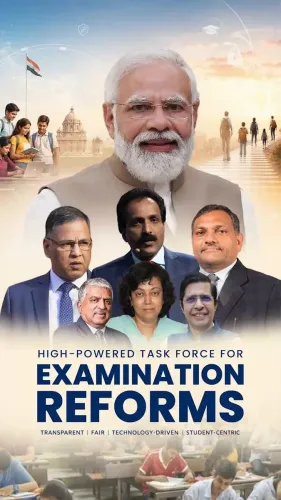
PM Modi announced a task force on exam reforms led by Infosys co-founder Nandan Nilekani .
Task force members include former ISRO Chairman S.
Somnath , former IB Director Tapan Deka , IIT Chennai Director V.
Kamakoti , former Education Secretary Anita Karwal , and Logistics Expert Amrit Lal Meena .
A landmark examination reforms bill is set to be introduced in Parliament, alongside fast-track courts and tougher penalties for paper leak offenders.
The reforms follow the resignation of Union Education Minister Dharmendra Pradhan amid student protests over alleged paper leaks.
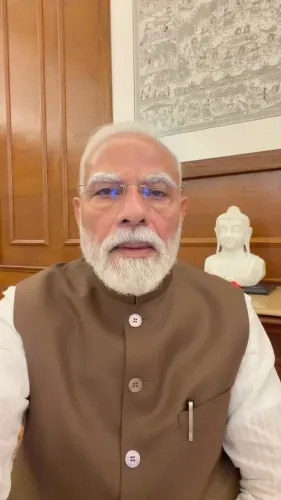
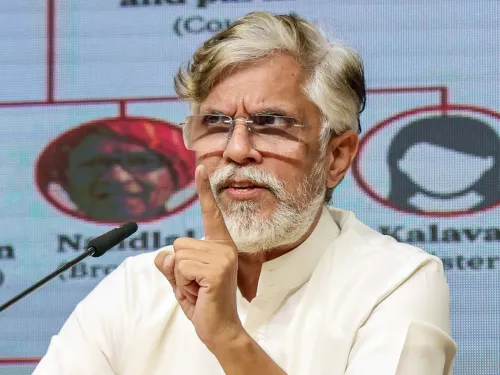
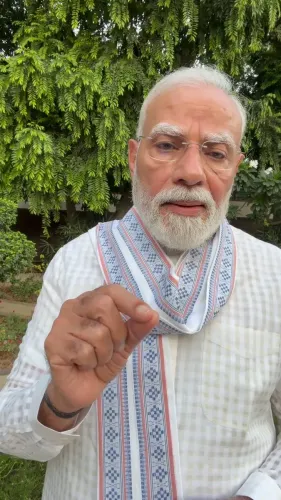
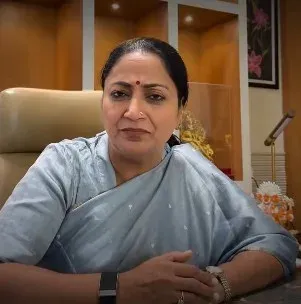
Delhi Chief Minister Rekha Gupta on Sunday, 26 July praised the measures announced by Prime Minister Narendra Modi to overhaul India's examination system, calling them decisive steps toward fairness and transparency for the country's youth. The endorsement came alongside a series of structural reforms, including the formation of a high-powered task force and a forthcoming parliamentary bill on exam integrity.
What the CM Said
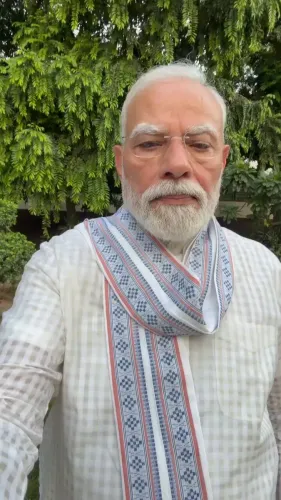
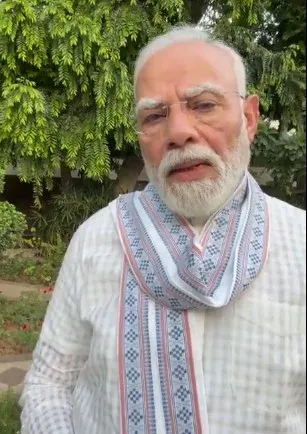
Chief Minister Gupta, in a video message posted on social media platform X, said: 'India's youth deserve a future built on fairness, transparency and opportunity. Prime Minister Modi reaffirmed the Government's commitment to safeguarding the aspirations of every student through decisive reforms.'
She further stated that the government's reforms span 'stringent action against paper leaks and stronger legal safeguards to a more credible examination system, expanded educational opportunities, and continued support for startups and innovation.' Gupta added that 'with a landmark Bill on examination reforms set to be introduced in Parliament, fast-track courts, stringent action against paper leak mafias and tougher penalties, the Government is reinforcing the confidence of students and parents.'
The Nilekani Task Force
Prime Minister Modi announced the constitution of an exam reforms task force to be led by Infosys co-founder and Aadhaar architect Nandan Nilekani. The task force also includes former ISRO Chairman S. Somnath, former Intelligence Bureau (IB) Director Tapan Deka, IIT Chennai Director V. Kamakoti, former Education Secretary Anita Karwal, and Logistics Expert Amrit Lal Meena, according to an official statement.
The Prime Minister indicated that the task force's findings will directly inform steps to ensure the credibility of upcoming national examinations.
Context: Protests and a Ministerial Exit
The reforms come a day after a sustained student agitation against alleged paper leaks concluded, following the resignation of Union Education Minister Dharmendra Pradhan. The protests had centred on systemic failures in high-stakes national examinations, with students demanding accountability and structural change.
Notably, Nilekani's inclusion signals the government's intent to bring technology-driven solutions to examination security — echoing the Aadhaar model of using digital architecture to reduce human interference and fraud.
What Comes Next
A landmark examination reforms bill is expected to be introduced in Parliament. Fast-track courts are reportedly being set up to prosecute paper leak offenders, with tougher penalties proposed for those involved in examination malpractice. The task force's report will serve as the policy blueprint for these measures, with its recommendations expected to shape the credibility of upcoming national-level examinations.
Point of View
But India's paper leak problem is as much an administrative and accountability failure as a tech gap. Fast-track courts and tougher penalties address deterrence, but without independent oversight of examination bodies, the root cause — institutional opacity — remains unaddressed. The resignation of the Education Minister closes a chapter but does not by itself fix the system. The real test will be whether the forthcoming parliamentary bill includes enforceable timelines and independent audit mechanisms, or remains another framework law that looks strong on paper.
NationPress
26 Oct 2026
Frequently Asked Questions
What exam reforms did PM Modi announce?
PM Modi announced the formation of a high-powered task force on exam reforms led by Nandan Nilekani, alongside plans for a parliamentary bill on examination integrity, fast-track courts, and stricter penalties against paper leak networks. The task force's report will guide steps to secure upcoming national examinations.
Who is on the Nandan Nilekani-led exam reforms task force?
The task force includes Nandan Nilekani (Infosys co-founder and Aadhaar architect), former ISRO Chairman S. Somnath, former IB Director Tapan Deka, IIT Chennai Director V. Kamakoti, former Education Secretary Anita Karwal, and Logistics Expert Amrit Lal Meena.
Why did students protest before these reforms were announced?
Students had been agitating over alleged paper leaks in high-stakes national examinations, demanding accountability and systemic reform. The protests concluded after Union Education Minister Dharmendra Pradhan resigned, following which PM Modi announced the reform measures.
What is the examination reforms bill?
A landmark bill on examination reforms is set to be introduced in Parliament. It is expected to include stronger legal safeguards against paper leaks, provisions for fast-track courts, and tougher penalties for those involved in examination malpractice.
Why was Nandan Nilekani chosen to lead the task force?
Nilekani is widely credited as the architect of the Aadhaar digital identity system, demonstrating his ability to deploy technology at scale to reduce fraud and human interference. His selection signals the government's intent to bring a similar technology-driven approach to securing India's examination infrastructure.