Nandan Nilekani exam task force: Pawan Khera says BJP can't survive without Congress
Synopsis
The Centre's move to appoint Nandan Nilekani to lead an examination reform task force — triggered by the NEET-UG paper leak — drew a pointed jab from Congress MP Pawan Khera, who quipped that BJP 'can't survive without Congress.' The opposition's barbs aside, the task force represents the government's most high-profile institutional response yet to a scandal that shook India's student community.
Key Takeaways
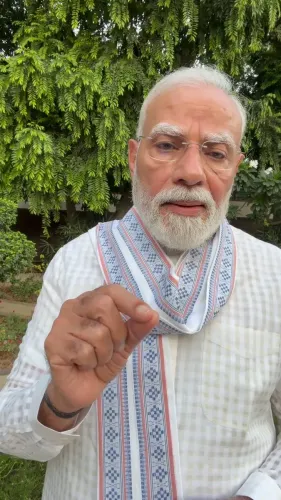
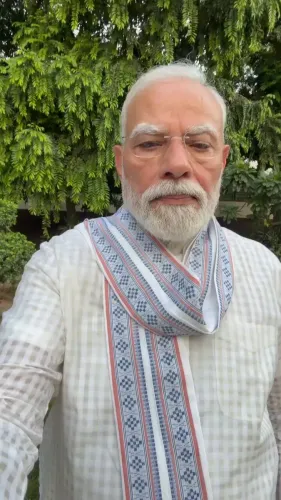
PM Narendra Modi announced a high-powered examination reform task force chaired by Nandan Nilekani on 27 July .
Congress MP Pawan Khera mocked the BJP, saying the party 'can't survive without Congress' and ends every initiative with Congress-linked figures.
Samajwadi Party chief Akhilesh Yadav welcomed the move but questioned why it was not constituted in 2014 .
BJP Bihar President Sanjay Saraogi said the government will not tolerate anyone 'playing with the future of students.' The task force was formed in the wake of the NEET-UG paper leak controversy, which triggered nationwide student protests.
Political leaders across party lines on Monday, 27 July responded to Prime Minister Narendra Modi's announcement of a high-powered examination reform task force chaired by Nandan Nilekani, with reactions ranging from sharp political barbs to cautious welcome. The task force was constituted in the aftermath of the NEET-UG paper leak controversy, which sparked nationwide student protests and raised serious questions about the integrity of India's public examination system.
Congress Takes a Swipe
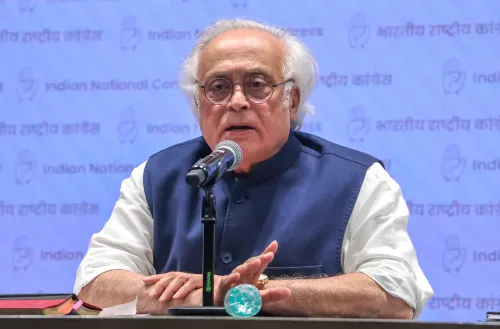
Congress MP Pawan Khera used the occasion to needle the Bharatiya Janata Party (BJP), arguing that the ruling party perpetually leans on Congress figures and their legacies. Speaking to reporters outside Parliament, Khera said: 'These people can't survive without Congress. Today, how many of their MPs originally came from the Congress? Without Congress, PM Modi cannot even take a breath. They start with Nehru and end with Nandan Nilekani.'
Fellow Congress MP Phulo Devi Netam took a more constructive line, welcoming the task force and calling reforms overdue. 'This should definitely happen. The way the paper leak issue surfaced repeatedly, students across the country protested, and they succeeded in getting their voices heard. We all want the education system to improve through this committee,' she said.
Akhilesh Yadav Questions the Timing
Samajwadi Party chief and Lok Sabha MP Akhilesh Yadav acknowledged the merit of the initiative but questioned why it had taken the government more than a decade to act. 'It is a good step. This task force includes many intellectuals who have served in important positions and contributed significantly to public life. But the question is, why is the government forming it today? Why was it not constituted in 2014? Had it been formed then, our country would have progressed much faster,' Yadav said.
This is not the first time the opposition has raised the issue of delayed institutional response to examination fraud — similar criticism followed paper leak incidents in 2022 and 2023 that affected state-level recruitment examinations.
BJP Defends the Move
BJP Bihar President Sanjay Saraogi defended the Centre's decision, framing it as a firm commitment to safeguarding student futures. 'An expert task force has been constituted because the Government of India will not tolerate anyone playing with the future of students under any circumstances. The government is strengthening the security of question papers while also ensuring strict laws and speedy punishment for those involved in paper leaks. At the same time, the expert committee will recommend measures to ensure that such incidents do not occur in the future,' he said.
BJP MP Naresh Bansal called the formation of the task force a significant step, saying it brings together 'highly experienced experts from the fields of education and other sectors.' BJP MP Tarun Chugh went further, criticising previous administrations: 'Those who remained in power for six decades did nothing on this issue. Over the past two terms, Prime Minister Narendra Modi has consistently worked to secure the future of children. The Prime Minister has made it clear that not a single person involved in paper leaks will be spared.'
Context: The NEET-UG Controversy
The NEET-UG paper leak controversy became one of the most politically charged education scandals in recent memory, with students in multiple states alleging that question papers had been circulated before the examination. The episode prompted calls for an overhaul of the National Testing Agency (NTA) and the broader examination infrastructure. The appointment of Nilekani — co-founder of Infosys and architect of the Aadhaar framework — signals an intent to bring technology-driven solutions to examination security.
What Comes Next
The task force is expected to submit recommendations on systemic reforms, including digitisation of question paper distribution and enhanced surveillance protocols. Whether its findings translate into legislative or structural change will depend on the government's follow-through — a point the opposition has already flagged as the critical test of intent.
Point of View
Not a policy guarantee. Nilekani's track record with Aadhaar shows he can build large-scale digital infrastructure — but examination fraud in India is as much a human and institutional failure as a technological one. The opposition's timing critique has merit: paper leak incidents have recurred across state and central examinations for years, and an expert committee formed under political pressure risks becoming a pressure-release valve rather than a genuine reform engine. The real measure will be whether the task force's recommendations are binding, time-bound, and independently monitored — or quietly shelved once the NEET controversy fades from headlines.
NationPress
25 Oct 2026
Frequently Asked Questions
What is the Nandan Nilekani-led examination task force?
It is a high-powered task force on examination reforms announced by Prime Minister Narendra Modi, chaired by Nandan Nilekani — co-founder of Infosys and architect of the Aadhaar framework. The task force was constituted in response to the NEET-UG paper leak controversy and is expected to recommend systemic reforms to examination security and administration.
Why did Pawan Khera criticise the BJP over the task force?
Congress MP Pawan Khera argued that the BJP relies on Congress figures and their legacies, pointing to Nandan Nilekani — who has been associated with Congress-era initiatives — as an example. Khera said, 'These people can't survive without Congress. They start with Nehru and end with Nandan Nilekani.'
What was the NEET-UG paper leak controversy?
The NEET-UG paper leak controversy involved allegations that question papers for the national medical entrance examination were circulated before the exam date, prompting nationwide student protests. The episode raised serious concerns about the integrity of the National Testing Agency (NTA) and India's broader public examination system.
Why did Akhilesh Yadav question the timing of the task force?
Samajwadi Party chief Akhilesh Yadav argued that the government should have formed such a body in 2014, saying the delay cost India years of potential progress. While calling it 'a good step,' he questioned why action was taken only after a major public controversy.
What has the BJP said in defence of the task force?
BJP leaders including Bihar President Sanjay Saraogi and MPs Naresh Bansal and Tarun Chugh defended the move, saying the government is committed to eliminating paper leaks, strengthening question paper security, and ensuring swift punishment for those involved. They argued that previous governments failed to act on the issue for decades.